search
search
add New trip
Cotopaxi

Cotopaxi

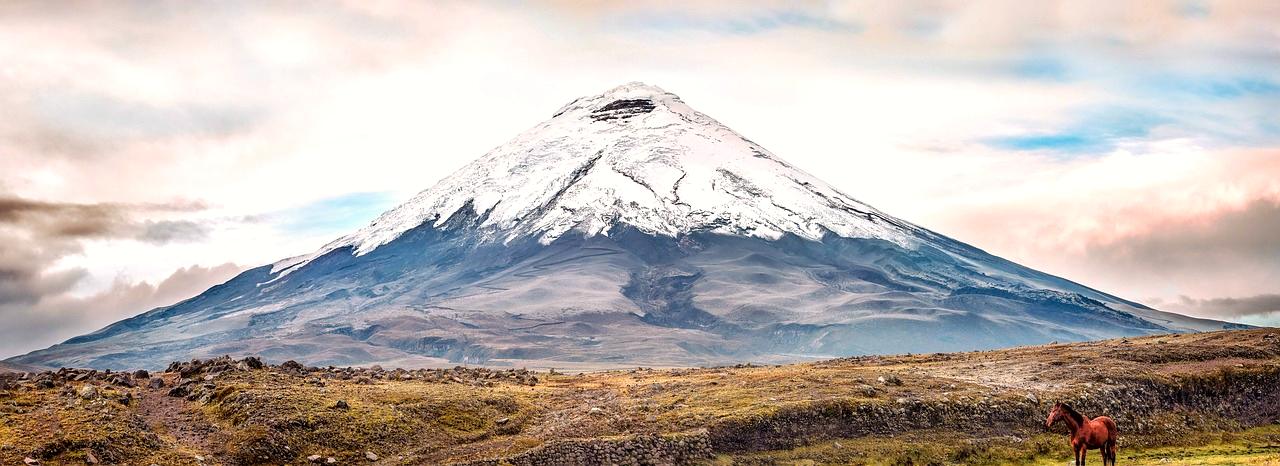
8moments · Pixabay
8moments · Pixabay
calendar_monthJun–Augbest time schedule3 daysplan for directions_car2 h 05from Quito child_careYeswith kids confirmation_numberMid-rangeprice
CotopaxiYour own route Plan a trip here →

Cotopaxi is a small town that serves as a gateway to the Cotopaxi National Park. Visitors often come for the striking views of the Cotopaxi volcano, which towers at nearly 5,900 meters. The area is known for its rugged beauty, with rolling hills and high-altitude lagoons that attract nature lovers and adventure seekers alike.

Read more

The town itself has a laid-back atmosphere, with a few local shops and eateries. Travelers should be prepared for variable weather, as conditions can change quickly in the mountains. The altitude can also be challenging, so acclimatization is important for those planning to explore the park.

Routes through here
Every route opens in the planner as your own copy: change any stop, any night.
In pictures

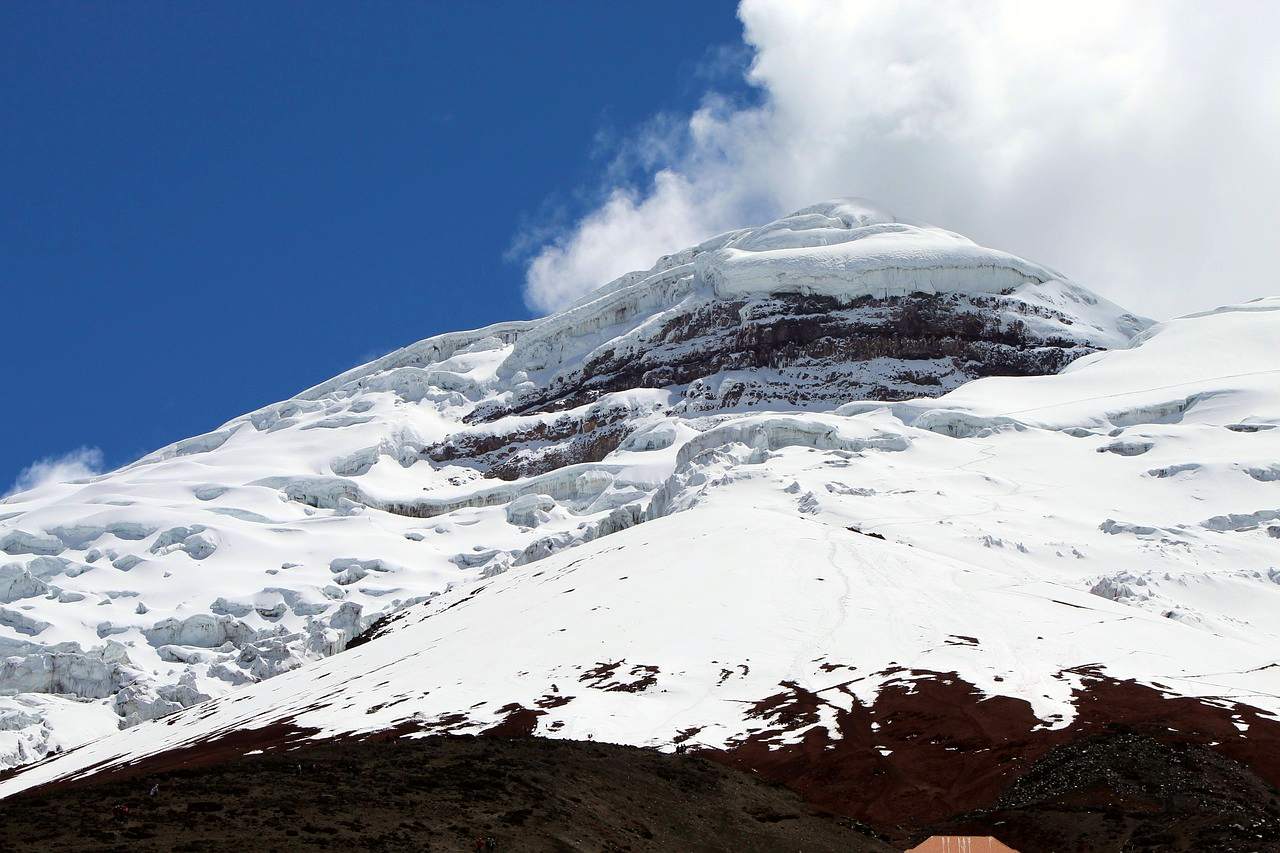
Cotopaxi Mrivasco · Pixabay
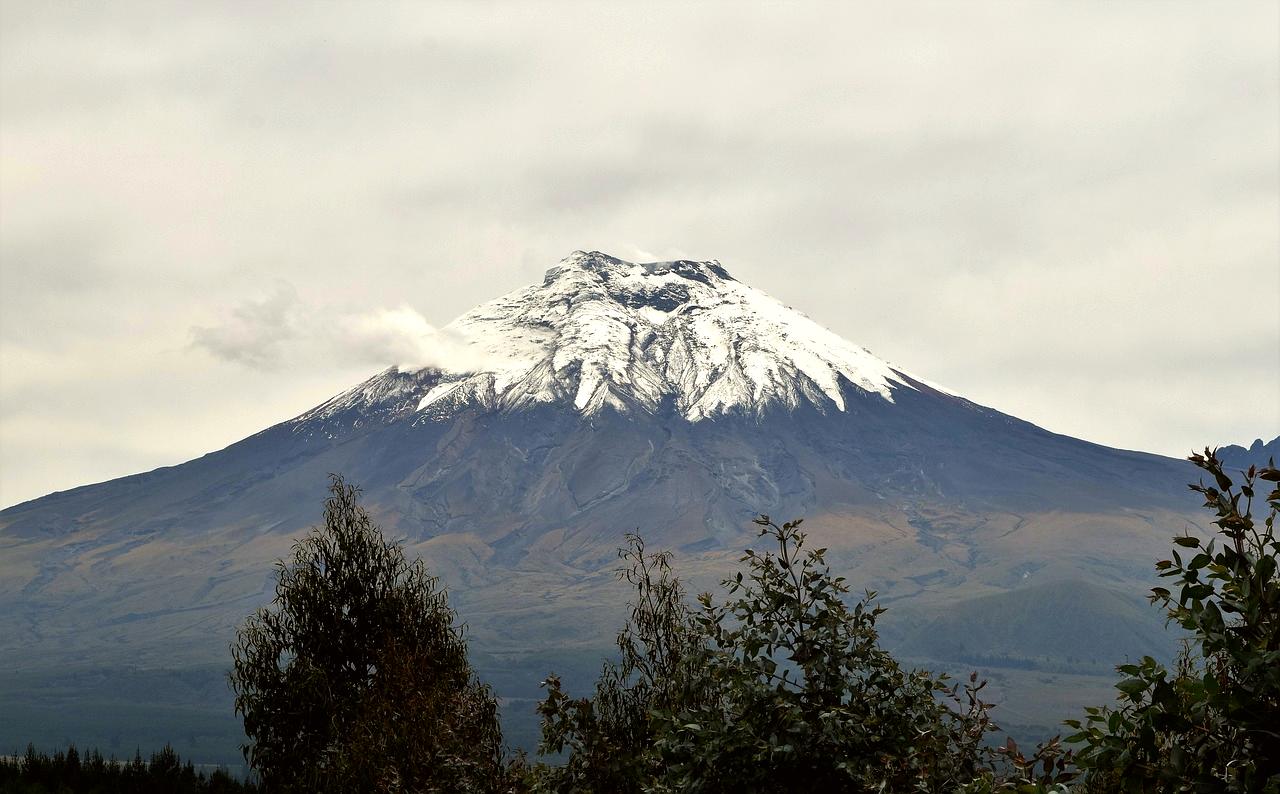
Cotopaxi omacanda · Pixabay

Sightseeing

Cotopaxi National Park: home to the iconic volcano and diverse wildlife
Limpiopungo Lagoon: offers panoramic views and birdwatching opportunities
Cotopaxi Museum and Visitor Center: features exhibits on local wildlife and geology
Inca Ruins (Pucara del Salitre): remnants of an ancient military fortress

"Explore the heights of Cotopaxi"Cotopaxi

Things to do

Climb Cotopaxi: requires a guide and acclimatization.
Hike to the Refugio: a popular day trip for views of the volcano.
Birdwatching at Limpiopungo: spot seagulls and other species.
Camping in the park: experience the natural beauty overnight, but be prepared for cold nights.

Local food and drinks

Refugio José E. Rivas: meals available for climbers
Local eateries in Cotopaxi: serve traditional Ecuadorian dishes
Try locro de papa: a hearty potato soup
Enjoy a hot drink at the refugio: essential for cold nights

Local traditions

Inti Raymi: a celebration of the sun during the winter solstice
Local markets: vibrant displays of crafts and food
Festivals honoring the volcano: include music and dance

Do's and don'ts

Bring warm clothing for the cold nights
Hire a qualified guide for climbing
Respect local customs and traditions
Take time to acclimatize before strenuous activities
Don't underestimate the altitude; it can be challenging
Don't drink untreated water from the refugio
Don't ignore weather warnings; conditions can be severe
Don't rush your visit; enjoy the scenery and wildlife

Practical

At a glance

Founded
600 AD
Population
2.000
Accessibility
Some areas are steep; limited wheelchair access
Price level
Mid-range

Things to know

Transport options are limited; renting a car is advisable.
Altitude sickness can affect visitors; take it slow.
Weather can change rapidly; dress in layers.
As of February 2023, water sources may be contaminated with ash, so bring your own water.
history_eduHistoryexpand_more

Cotopaxi has been a significant site for centuries, with indigenous peoples recognizing the volcano's power long before the arrival of the Spanish. The area was officially designated as a national park in 1975, aimed at preserving its unique ecosystem and geological features.

The volcano itself is one of the highest active volcanoes in the world, with its last major eruption occurring in 2015. This activity has shaped both the landscape and the local culture, as residents adapt to living in the shadow of such a formidable natural feature.

Photo: 8moments · Pixabay Content License · Pixabay

Photo credits (2)