search
search
add New trip
Ecuador
EC calendar_monthJun–Octbest time schedule14 daysplan for child_careYeswith kids confirmation_numberBudgetprice flagQuitocapital $US Dollar (USD)currency translateSpanishlanguage
EcuadorYour own route Plan a trip here →

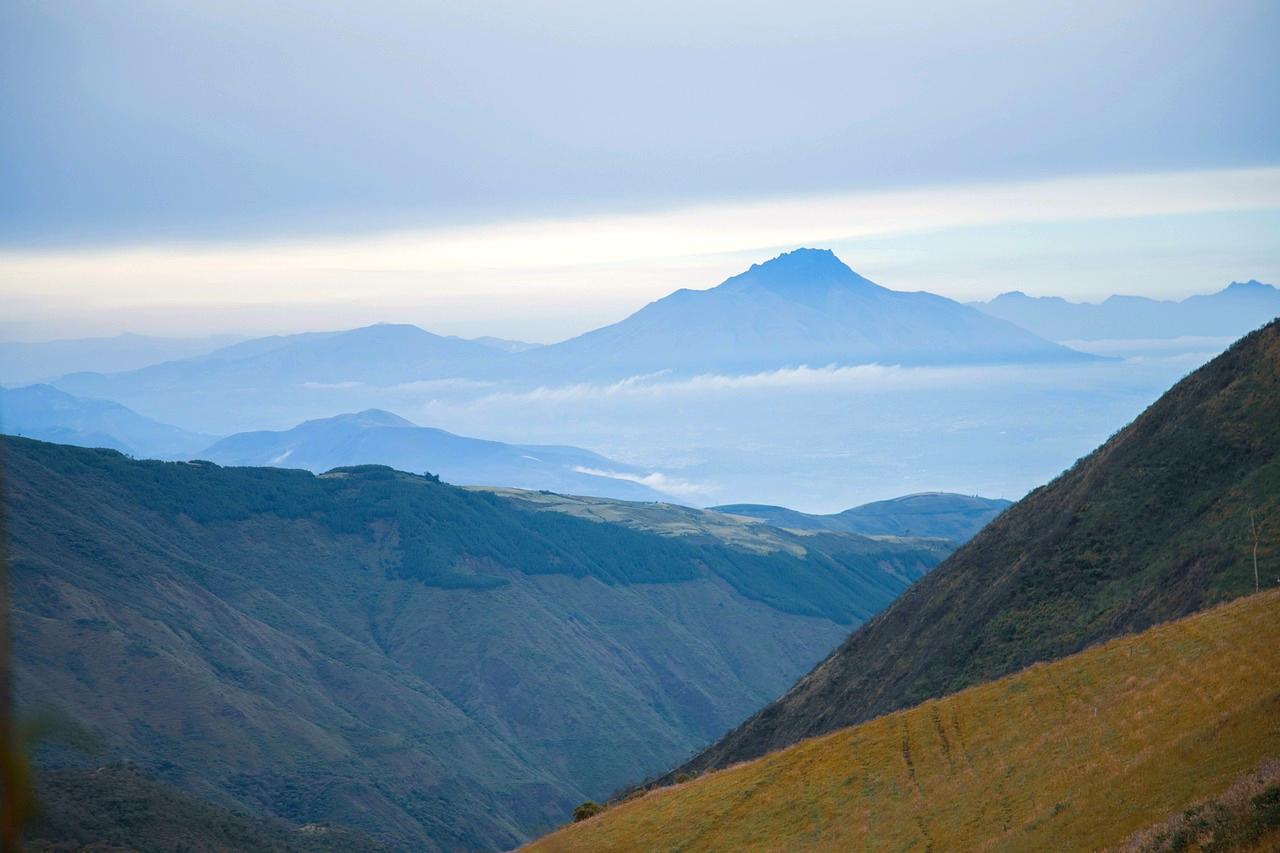
Ecuador packs a lot into a small space. In one day you can stand on the equator near Quito, then drop into cloud forest on the way to the Amazon. The Andes run down the middle, with volcanoes like Cotopaxi and Chimborazo visible from the road on clear mornings.

In pictures

Ecuador
Ecuador
Ecuador
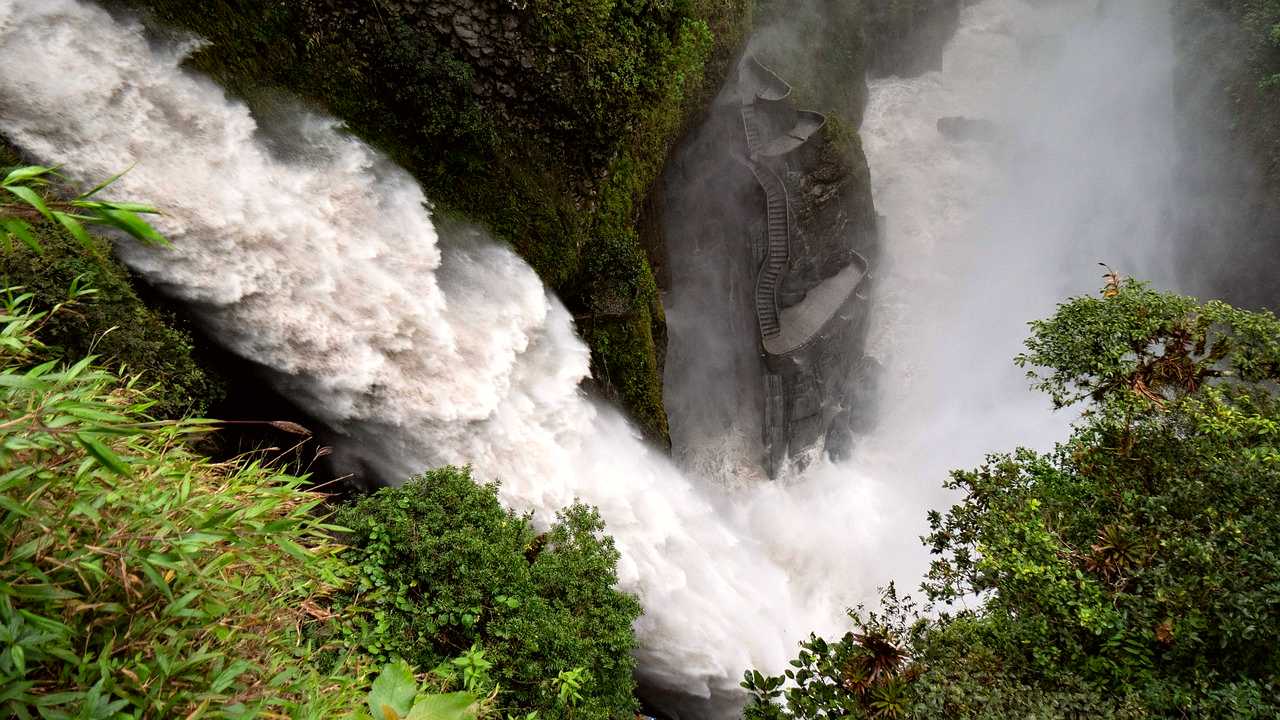
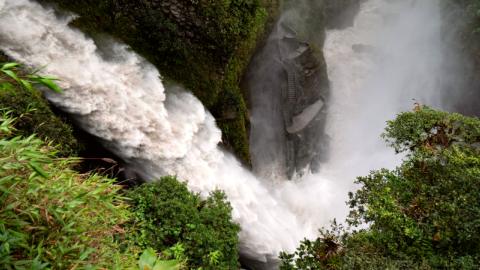
Cabellera de la Virgen waterfall in Baños de Agua Santa
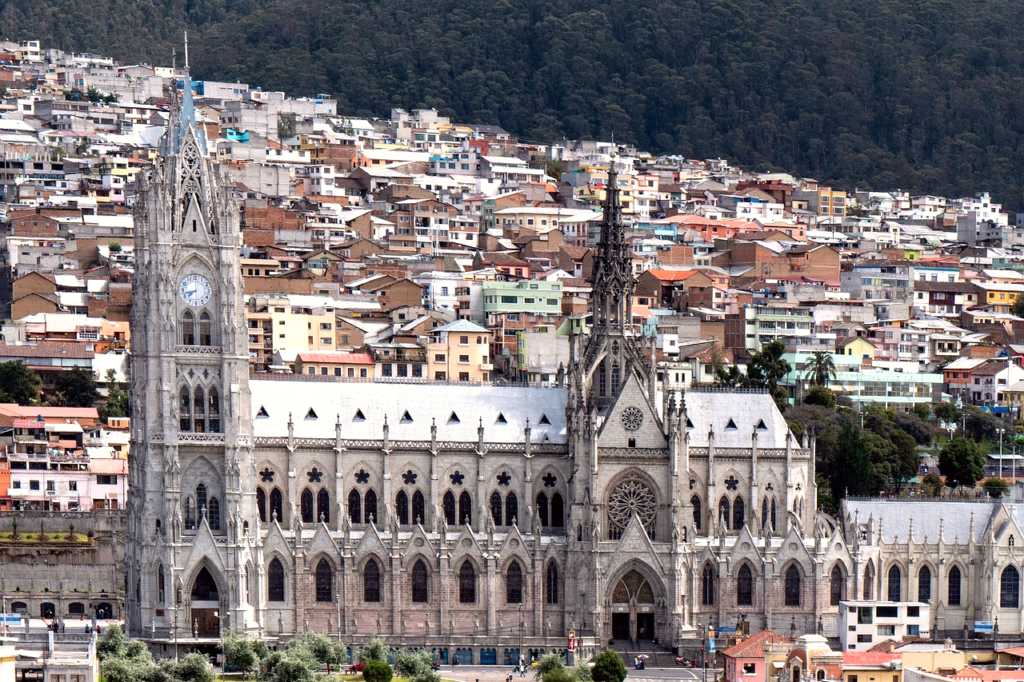
Santuario Nuestra Señora del Rosario de Agua Santa in Baños
Street vendors in Baños
Napo Wildlife Center in the Yasuní National Park
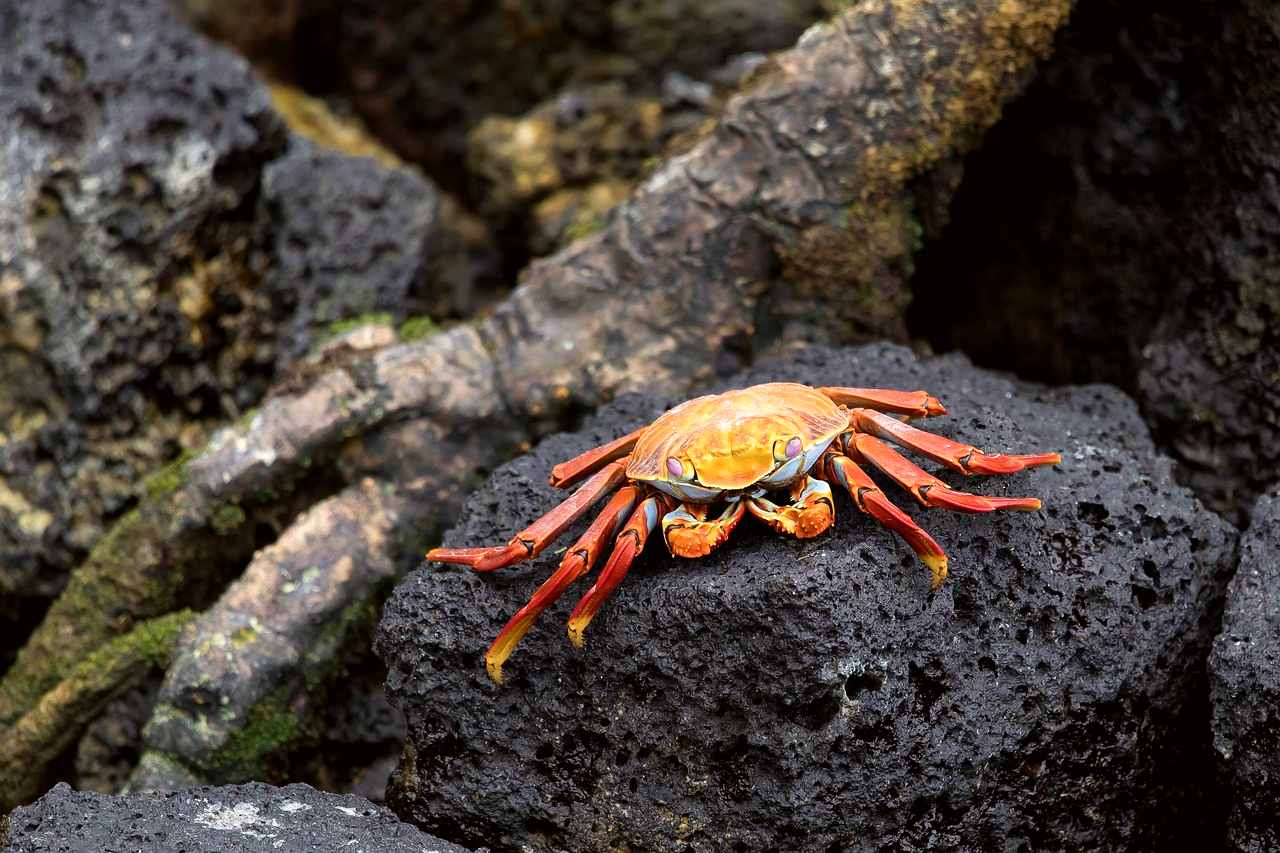
One of the many endemic fauna of the Galápagos Islands.

Sightseeing

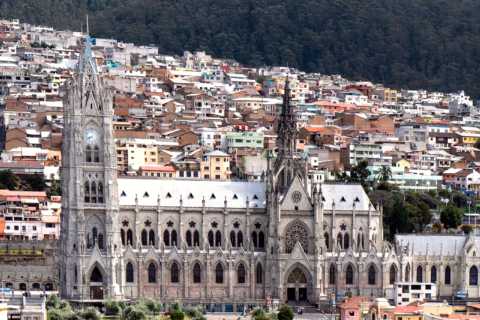
Quito Old Town: dense colonial center, one of the best preserved in the Americas.
Galapagos Islands: giant tortoises, marine iguanas, sea lions on the beach, reached by flight from Guayaquil or Quito.
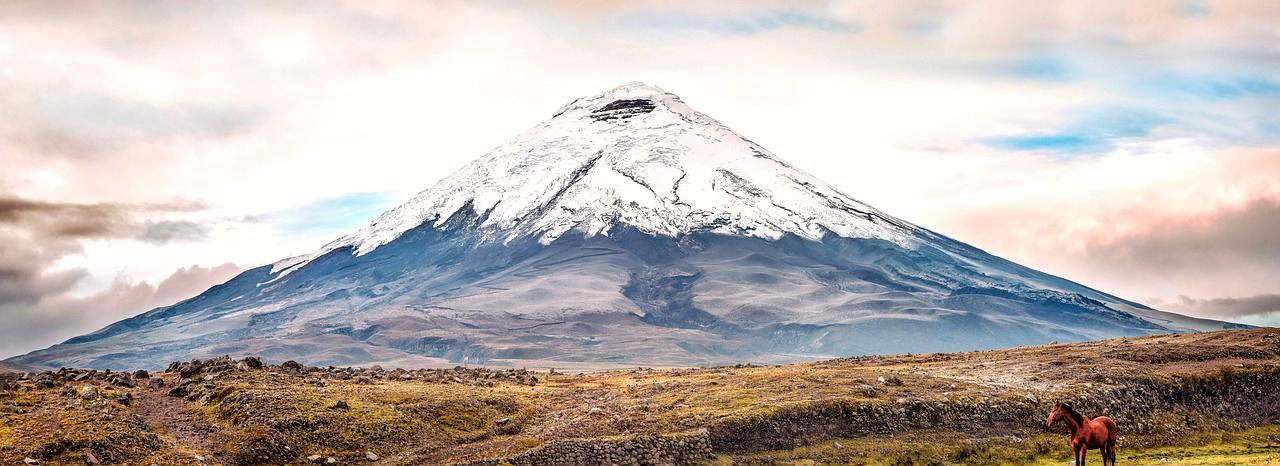
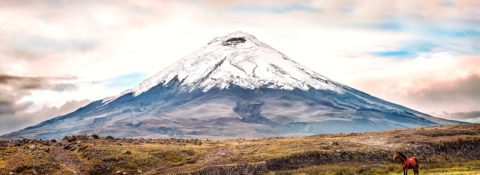
Cotopaxi National Park: snow capped volcano you can see from Quito on clear days.
Banos: waterfall town below Tungurahua volcano, hot springs and swings.
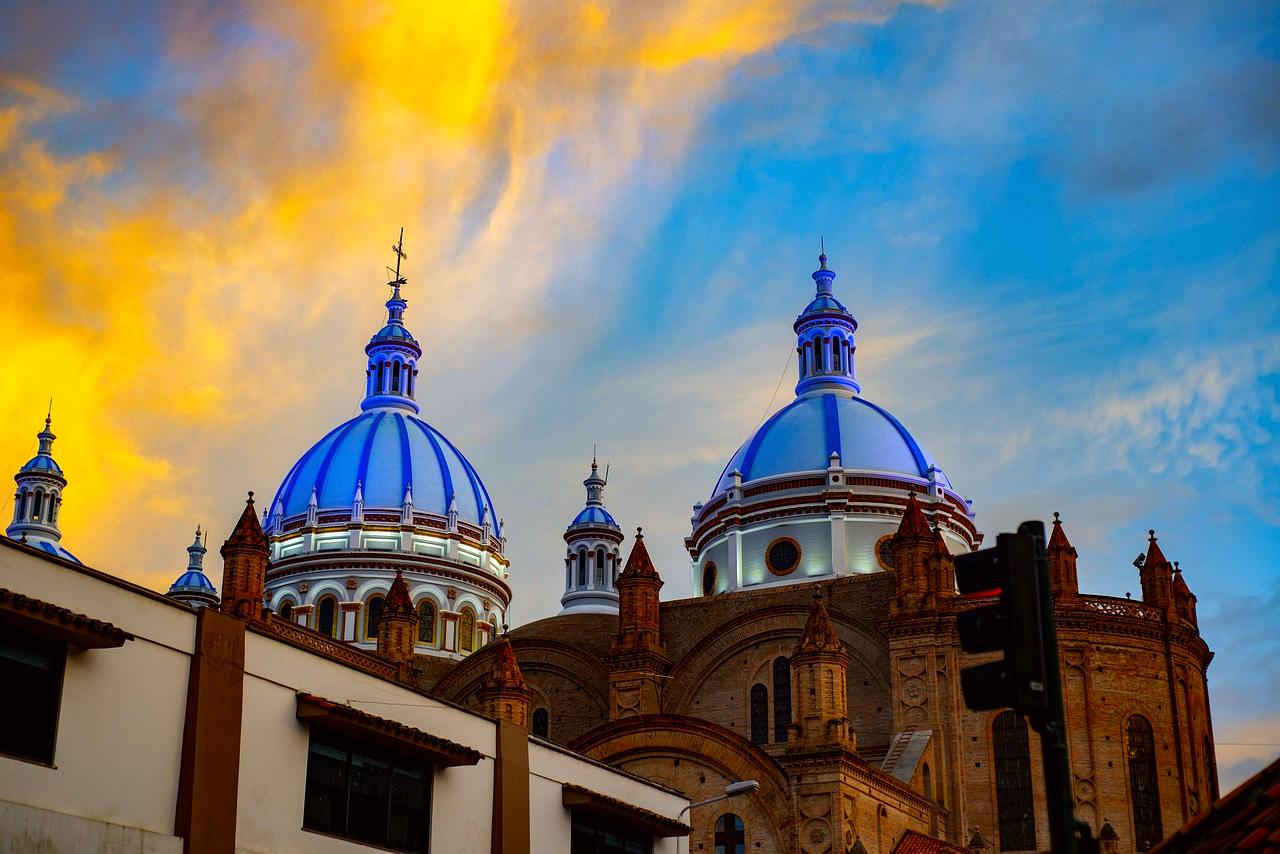
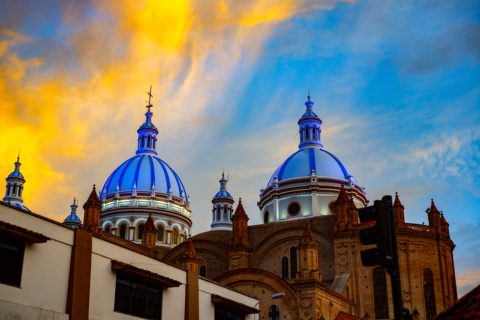
Cuenca: cobbled streets, red tile roofs, a calm colonial city in the south.
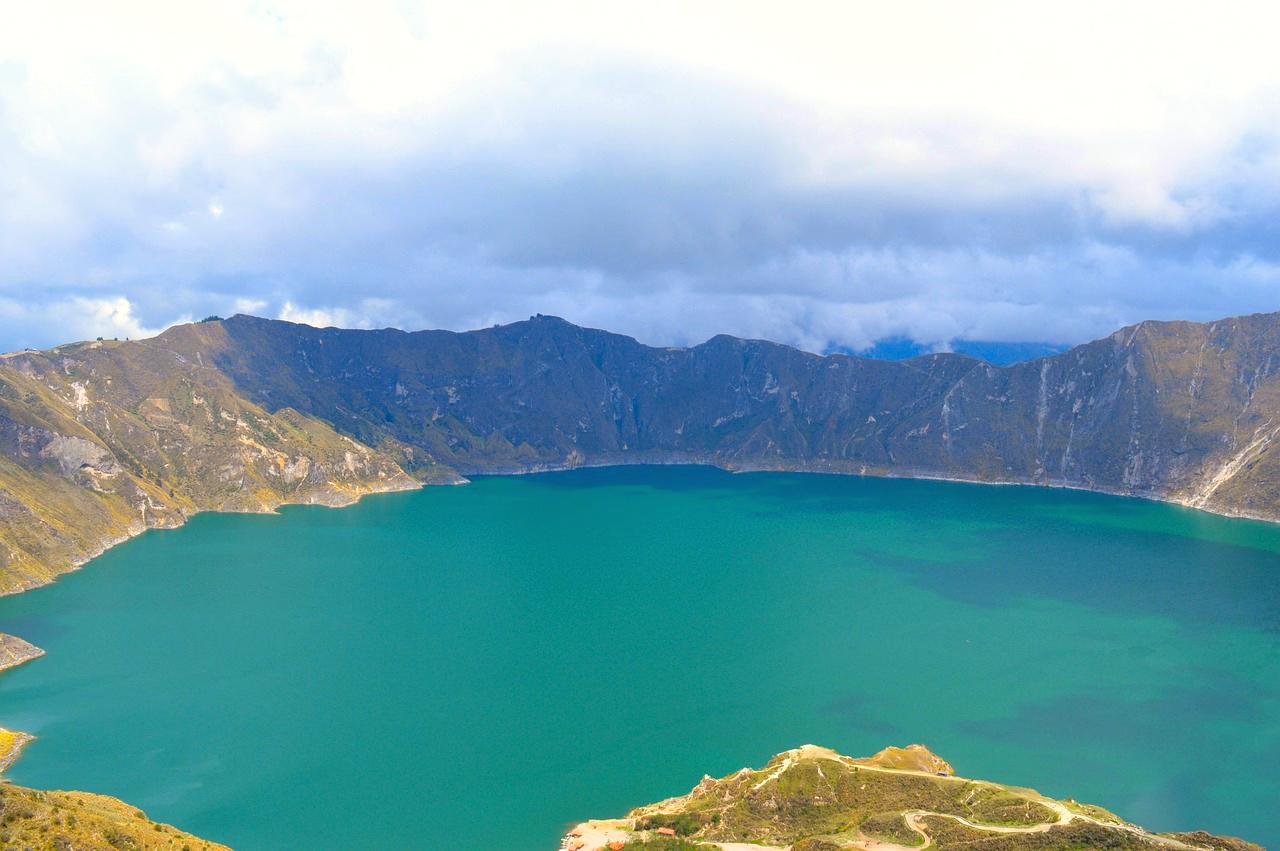
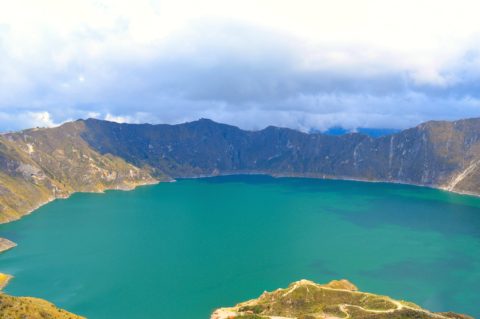
Quilotoa: crater lake with a green blue color, hiked from the rim.
Amazon (Yasuni, Cuyabeno): canoe trips, lodges, wildlife from a tower.
Mindo: cloud forest with hummingbirds and chocolate tours.

"Volcanoes, jungle and Galapagos in one small country"Ecuador

Things to do

Ride the TelefériQo: cable car above Quito to 4,000 meters for volcano views.
Snorkel in the Galapagos: swim beside sea lions and turtles.
Hike Quilotoa Loop: multi day walk between Andean villages.
Soak in Banos hot springs: thermal water fed by the volcano.
Visit a chocolate farm: cacao to bar tasting near Mindo or the coast.
Take a jungle lodge trip: night walks and dawn birdwatching in the Amazon.
Stand on the equator: Mitad del Mundo and the nearby Intinan museum.
Surf at Montanita: coast town with steady waves and a party crowd.
Local food and drinks - Ecuador

Local food and drinks

Ceviche: shrimp version served with popcorn and chips, best on the coast.
Encebollado: fish and cassava soup, the classic hangover cure, eaten for breakfast.
Hornado: slow roasted pork with hominy, found at highland markets.
Llapingachos: fried potato cheese patties with sausage and peanut sauce.
Cuy: roasted guinea pig, a special occasion dish in the Andes.
Canelazo: hot cinnamon and sugarcane liquor drink for cold nights in Quito.
Local traditions - Ecuador

Local traditions

Inti Raymi: Andean sun festival in June with music and dancing.
Dia de los Difuntos: November 2, families share colada morada and guagua bread.
Otavalo market: Saturday textile and craft market run by indigenous weavers.
Mama Negra: Latacunga festival mixing Catholic and indigenous roots.
New Year effigies: burning ano viejo dummies at midnight on December 31.

Do's and don'ts

Carry small dollar bills and coins for buses and markets.
Acclimatize slowly and drink water at altitude.
Book Galapagos flights and cruises in advance.
Greet people with buenos dias before asking questions.
Try markets for cheap, fresh set lunches called almuerzo.
Don't flash phones or jewelry in city crowds.
Don't drink tap water, stick to bottled or filtered.
Don't touch or feed wildlife in the Galapagos.
Don't assume rural buses run on a fixed schedule.
Don't hike volcanoes without checking conditions first.
Encounter giant tortoises up close

Encounter giant tortoises up close

Visiting the Galapagos Islands offers a chance to see the iconic giant tortoises in their natural habitat. At the Charles Darwin Research Station, you can learn about conservation efforts while observing these remarkable creatures. The islands are a UNESCO World Heritage site, and the unique wildlife is a big draw for nature lovers. Be prepared for a higher cost, as flights to the Galapagos can be pricey. Plan your trip well in advance to secure accommodations and tours, especially during peak seasons.

Chase waterfalls in Baños

Chase waterfalls in Baños

Baños is known for its stunning waterfalls, with Cascada Cabellera de la Virgen being one of the most popular. You can hike or bike along the scenic routes that lead to various falls, each offering a unique view and experience. The area is also famous for adventure sports like canyoning and zip-lining. However, be mindful of the weather, as rain can affect visibility and trail conditions. Bring a rain jacket and sturdy shoes to enjoy the outdoors.

Experience the Amazon at Napo Wildlife Center

Experience the Amazon at Napo Wildlife Center

The Napo Wildlife Center provides an immersive experience in the Amazon rainforest. Staying at this ecolodge allows you to explore the rich biodiversity of the area, with guided tours that include birdwatching and canoe trips. The lodge is built within a Kichwa community, offering insights into local culture. Keep in mind that access can be challenging, requiring a combination of flight and boat travel. Plan for a few days to fully appreciate the surroundings and the wildlife.

info_outlinePracticalexpand_more
Population: 18.000.000
Best time: June to September, dry season in the highlands

About Ecuador

Distances are short by South American standards, so a two week trip can cover highlands, coast and jungle. Altitude is the main adjustment: Quito sits at 2,850 meters, and you will feel it the first day. The Galapagos are a separate, pricier world reached only by flight.

Basic information

Capital: Quito
Language: Spanish
Currency: US Dollar (USD)
Best time to visit: June to September, dry season in the highlands

Travel information

Getting there: main airports are Quito (UIO) and Guayaquil (GYE), Galapagos only by domestic flight.
Getting around: cheap long distance buses link most towns, shared taxis fill gaps.
Roads: paved and scenic but winding in the Andes, landslides possible in rainy season.
Payments: US dollar is official, carry small bills, cards work in cities not rural areas.
Connectivity: 4G is decent in towns, buy a Claro or Movistar SIM cheaply.

Things to know

Altitude in Quito and Cuenca can cause headaches, go slow the first day.
Galapagos charges a national park fee, now 200 USD per adult, plus a transit card.
Petty theft happens on buses and in crowds, watch bags in Guayaquil and Quito.
Security has worsened on parts of the coast, check current advice before going.
Many shops and sights close for lunch and on Sundays outside big cities.

Good to know

Accessibility: Big cities have some ramps but steep colonial streets, cobbles and altitude make wheelchair travel hard outside modern hotels.
Price level: budget
history_eduHistoryexpand_more
History - Ecuador

Before the Spanish, the northern Andes were absorbed into the Inca empire, with Quito as a major center. Francisco Pizarro's forces arrived in the 1530s, and Spanish colonial rule shaped the churches and plazas you see today. Quito's old town grew rich on gold leaf and religious art.

Ecuador won independence at the Battle of Pichincha in 1822 and was briefly part of Gran Colombia before going its own way in 1830. The twentieth century brought oil in the Amazon, waves of migration, and periods of instability. In 2000 the country dropped its currency and adopted the US dollar, which it still uses.

Photo: Wikipedia / Wikimedia Commons