search
search
add New trip
Cuenca

Cuenca

Population: 400.000 Since: Founded in 1557 Price: Mid-range

Introduction

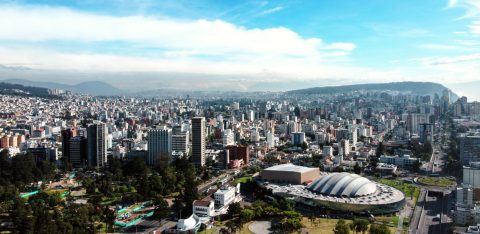
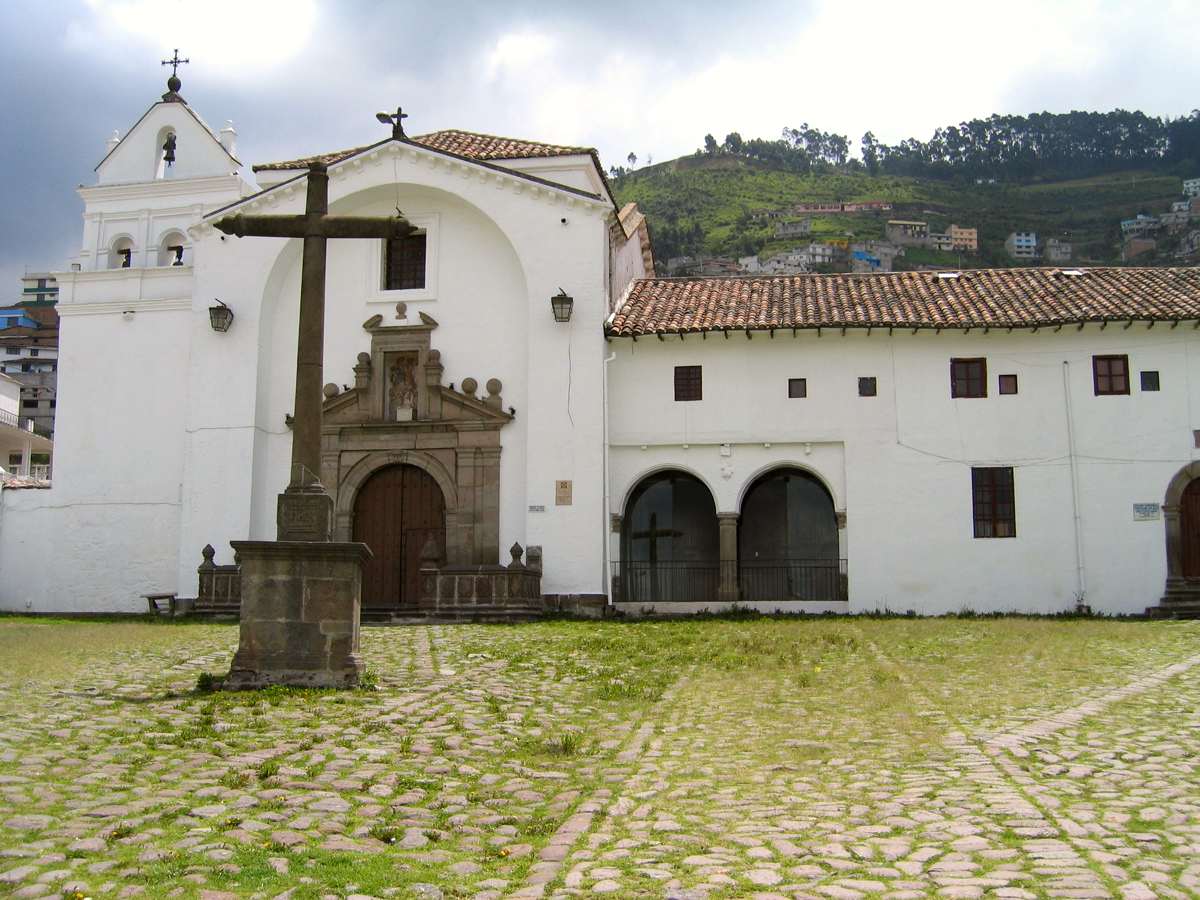
Cuenca, Ecuador, offers a blend of colonial charm and modern life. The city is known for its well-preserved architecture, with cobblestone streets and whitewashed buildings that reflect its rich history.

Visitors can enjoy the pleasant climate year-round. The city sits at a high altitude, which means the air is crisp and the views are expansive, especially from the viewpoints around the Tomebamba River.

Sightseeing

Catedral Nueva: a striking cathedral with intricate details
Catedral Vieja: an older cathedral now housing a museum
Pumapungo Museum: showcases local history and culture
Tomebamba River: perfect for a scenic walk
Mirador de Turi: offers panoramic views of the city
Parque Calderon: a central park ideal for relaxation
Las Cuatro Ríos: a picturesque area with rivers and greenery
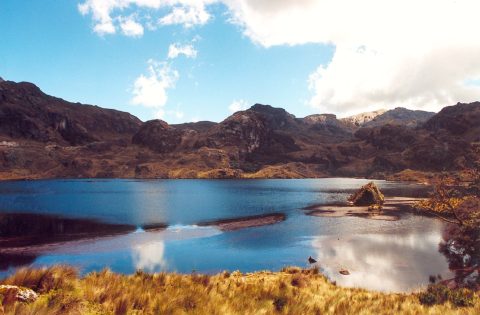
El Cajas National Park: known for its lakes and hiking trails

"Experience the heart of Ecuador"Cuenca

Things to do

Explore the local markets: try fresh produce and handicrafts
Take a walking tour: learn about the city's history and architecture
Visit local art galleries: discover works by Ecuadorian artists
Enjoy a coffee at a local café: savor the rich flavors of Ecuadorian coffee
Attend a cultural event: experience traditional music and dance performances
Local food and drinks - Cuenca

Local food and drinks

Cuy asado: roasted guinea pig, a local delicacy
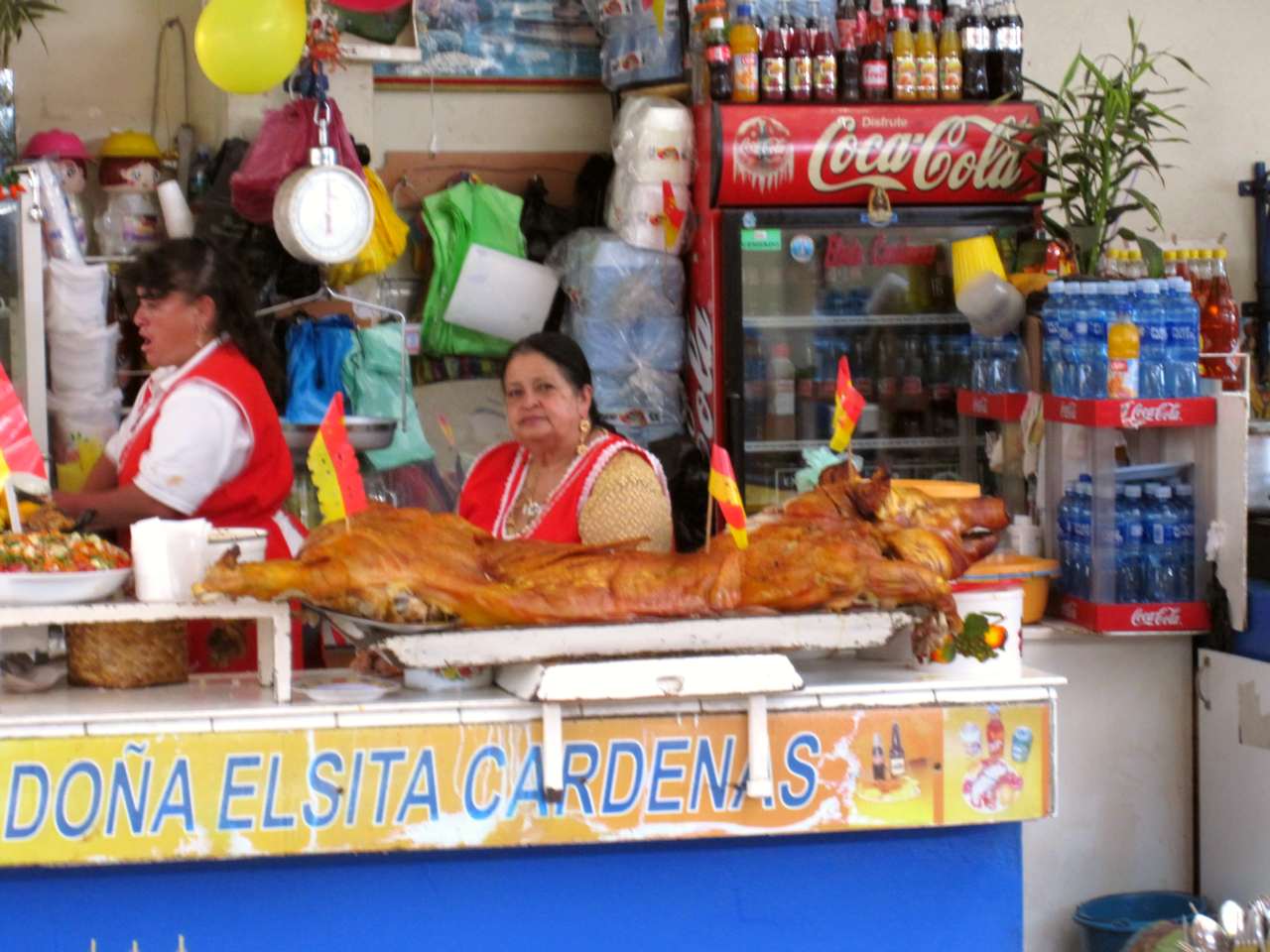
Hornado: slow-roasted pork served with potatoes
Fanesca: a traditional soup made during Easter
Choclo con queso: corn on the cob with cheese
Café de la ciudad: local coffee shop known for its brews
Local traditions - Cuenca

Local traditions

Fiesta de Cuenca: a week-long celebration in November
Inti Raymi: a festival honoring the sun, celebrated in June
Day of the Dead: honoring deceased loved ones with offerings
Carnaval: lively parades and festivities before Lent

History

Cuenca was founded in 1557 by Spanish conquistadors on the ruins of the Inca city of Tomebamba. Its colonial architecture reflects this heritage, with many buildings dating back to the 16th century.

The city has evolved over the centuries, becoming an important cultural and economic center in Ecuador. Today, Cuenca is recognized as a UNESCO World Heritage site, celebrated for its historical significance and architectural beauty.

Things to know

Be cautious of altitude sickness due to the city's elevation.
Public transport can be crowded and may not always run on time.
Some areas may have uneven sidewalks, so watch your step.
Tourist traps exist, especially around major attractions.

Do's and don'ts

Try local dishes at family-run restaurants.
Learn a few Spanish phrases to enhance your experience.
Respect local customs and traditions during festivals.
Take your time exploring the city on foot.
Don't assume everyone speaks English; be prepared to communicate.
Don't rush through the markets; enjoy the atmosphere.
Don't forget to carry cash, as some places don't accept cards.
Don't take photos of people without asking for permission.

Good to know

Accessibility: Some areas are challenging for wheelchairs.
Price level: mid-range

Photo: Wikipedia / Wikimedia Commons