Explore the streets of Old Town Quito
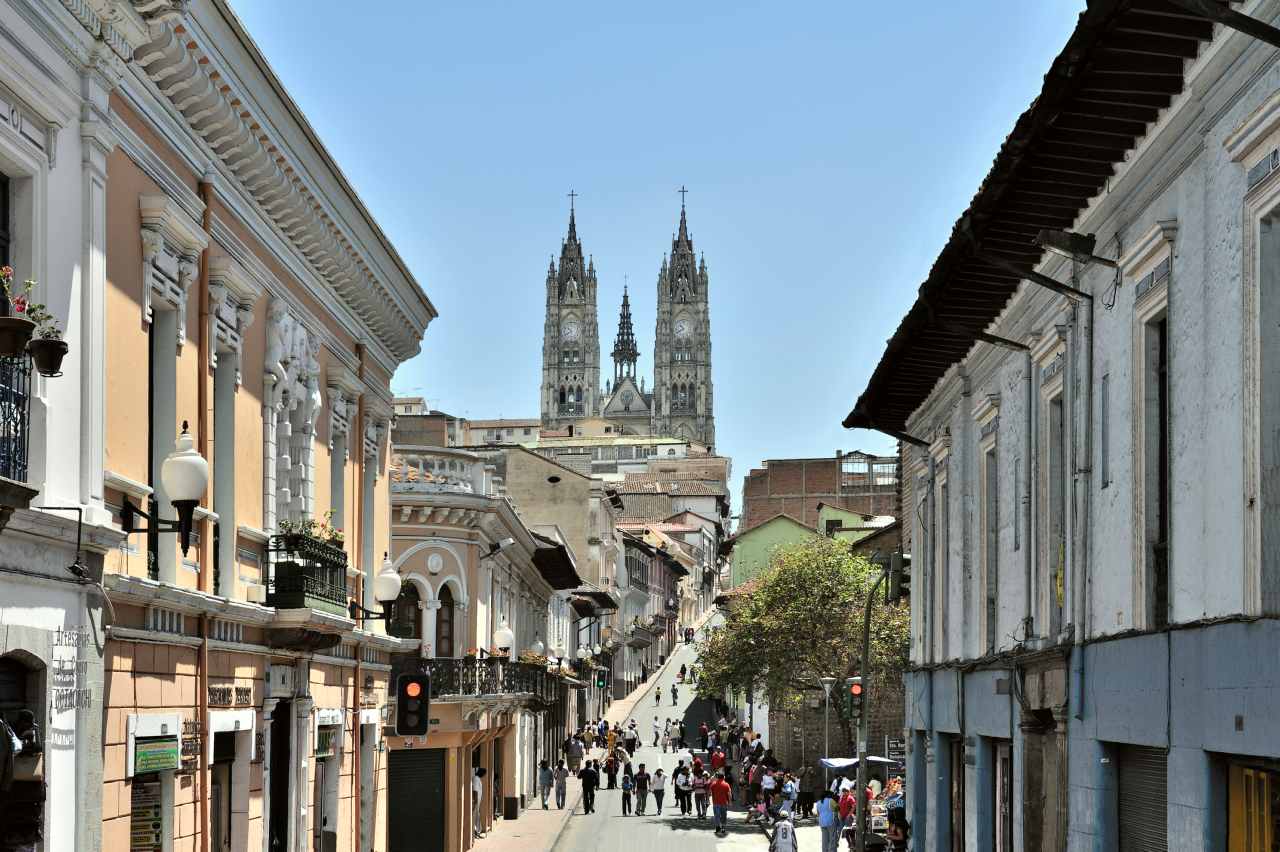
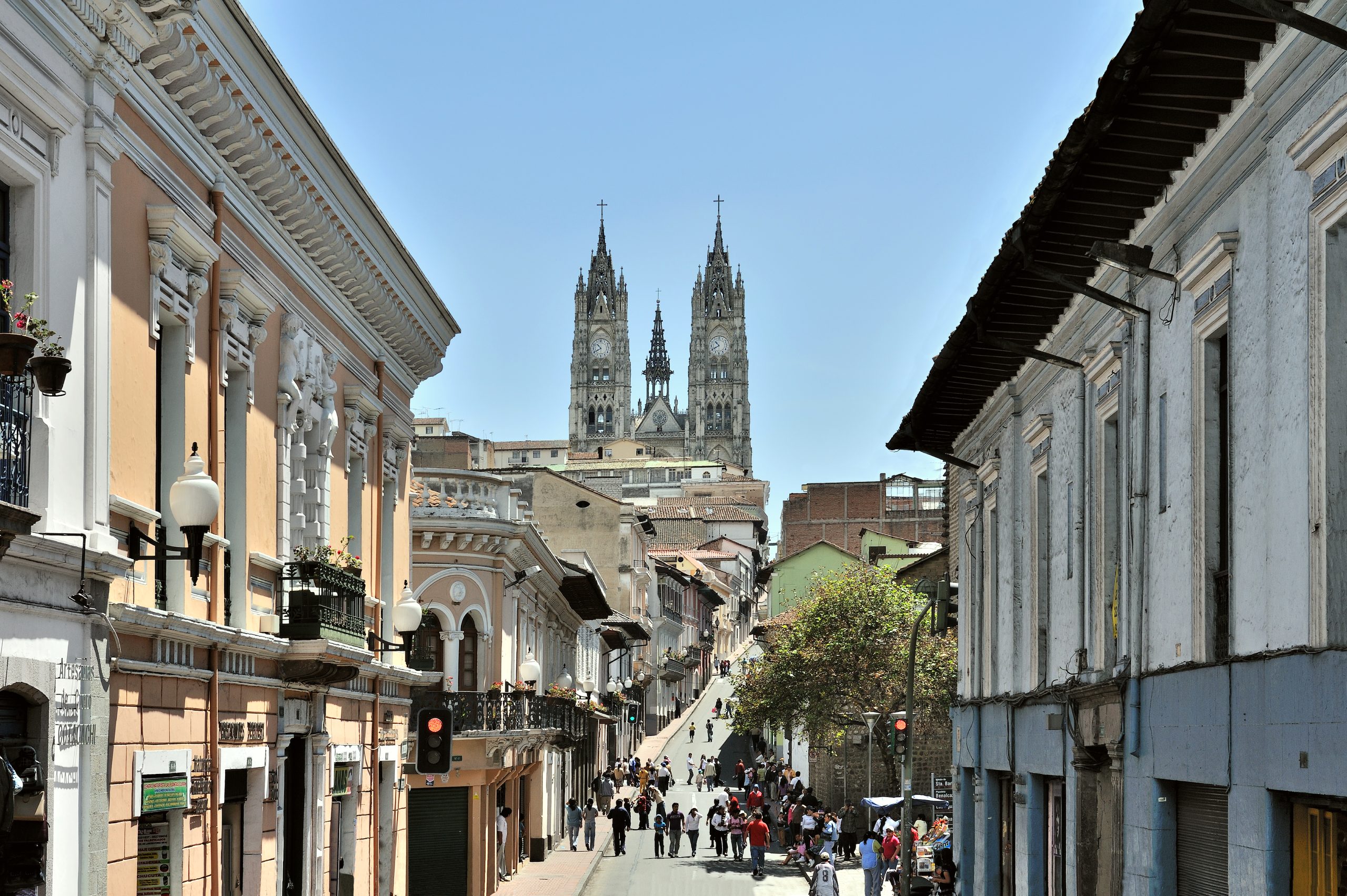
Calle Venezuela is a charming street in Quito's Old Town, lined with colonial buildings and local shops. As you walk, the Basilica del Voto Nacional looms above, its intricate Gothic architecture drawing your gaze. Stop by a nearby café for a cup of coffee and a slice of tres leches cake, a local favorite. The street comes alive with the sounds of vendors and the chatter of locals, giving you a glimpse into daily life. Just be mindful of your belongings, as pickpocketing can occur in crowded areas.
Take in the views from the rooftop
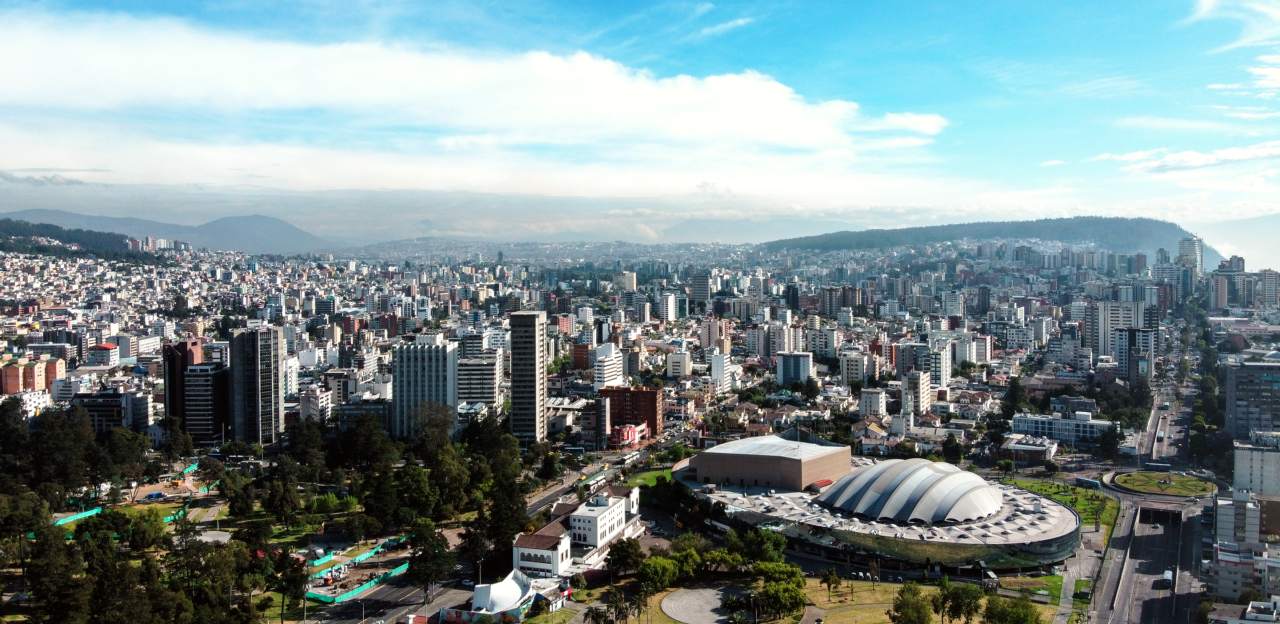
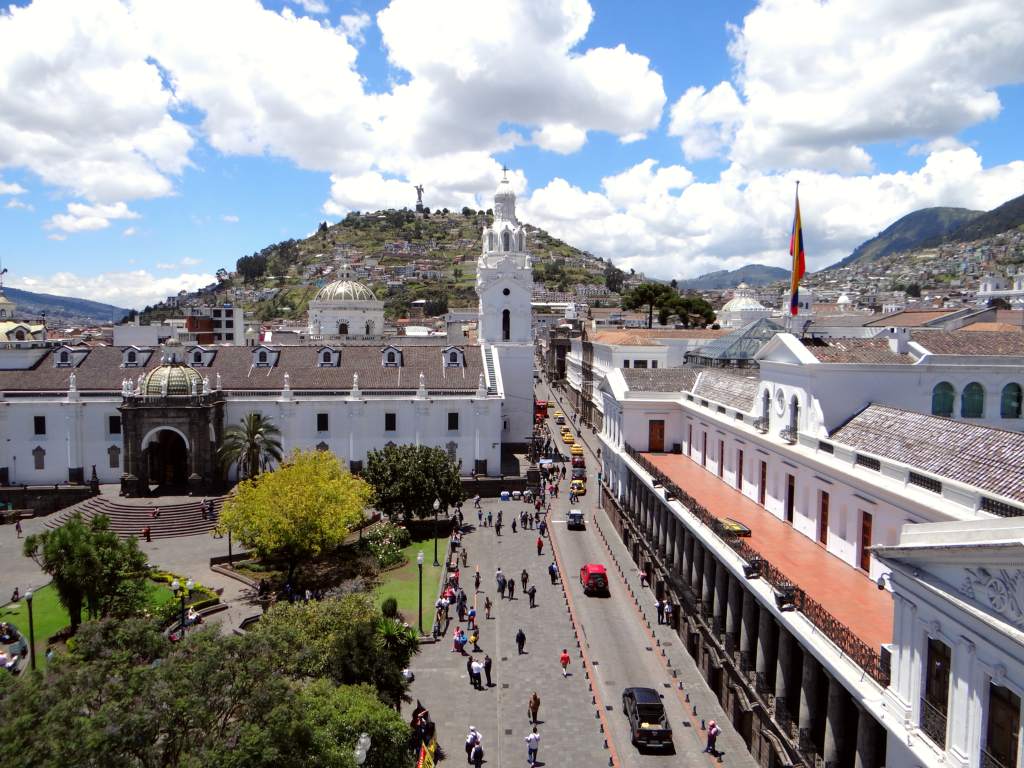
The rooftop of Palacio de Pizarro offers a panoramic view of Quito's historic center. From this vantage point, you can see the domes of La Compañía de Jesús and the distant peaks of the Andes. The best time to visit is during the late afternoon when the sun casts a warm glow over the city. Bring your camera to capture the contrast of the old architecture against the backdrop of the mountains. Just be prepared for the altitude; take it slow and enjoy the scenery.
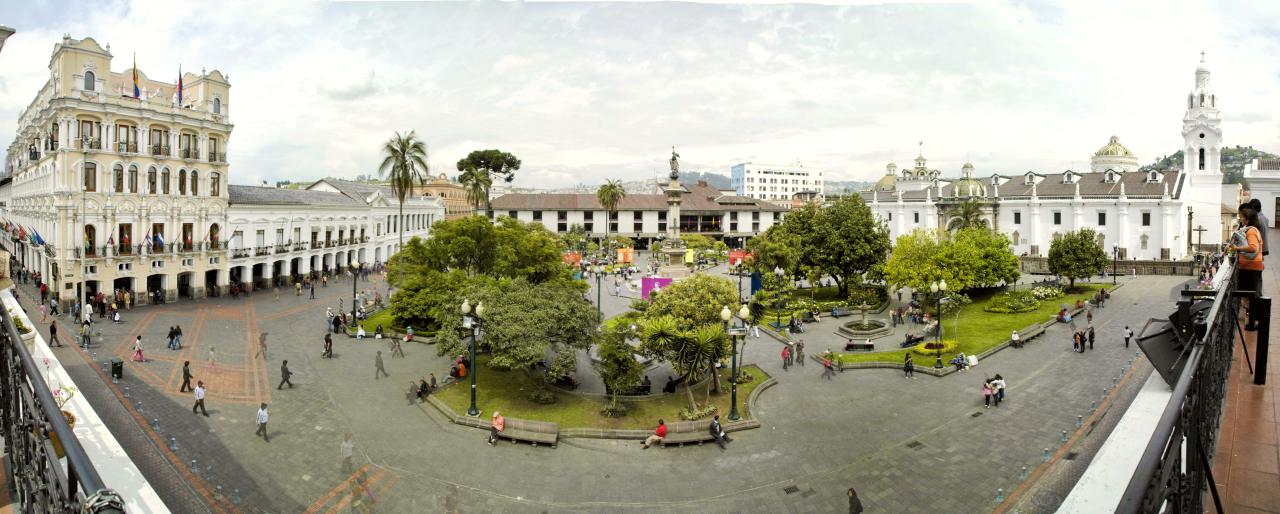
Experience the heart of Quito at Plaza Grande
Plaza Grande is the central square of Quito, surrounded by important buildings like the Cathedral and the Presidential Palace. This is a great spot to people-watch while enjoying a plate of locro de papa, a hearty potato soup. Street performers often entertain visitors, adding to the lively atmosphere. However, keep an eye on your belongings, especially during busy times. The square is a hub of activity, making it a perfect place to soak in the local culture.