search
search
add New trip
Aguas Calientes

Aguas Calientes

warningEarthquake1 warning confirmation_numberMid-rangeprice
Aguas CalientesYour own route Plan a trip here →
Earthquake Earthquake impacted this country. Please travel safely

This concerns Peru as a whole. Check official travel advisories before you go.

Placed by the Kiomigo editors.

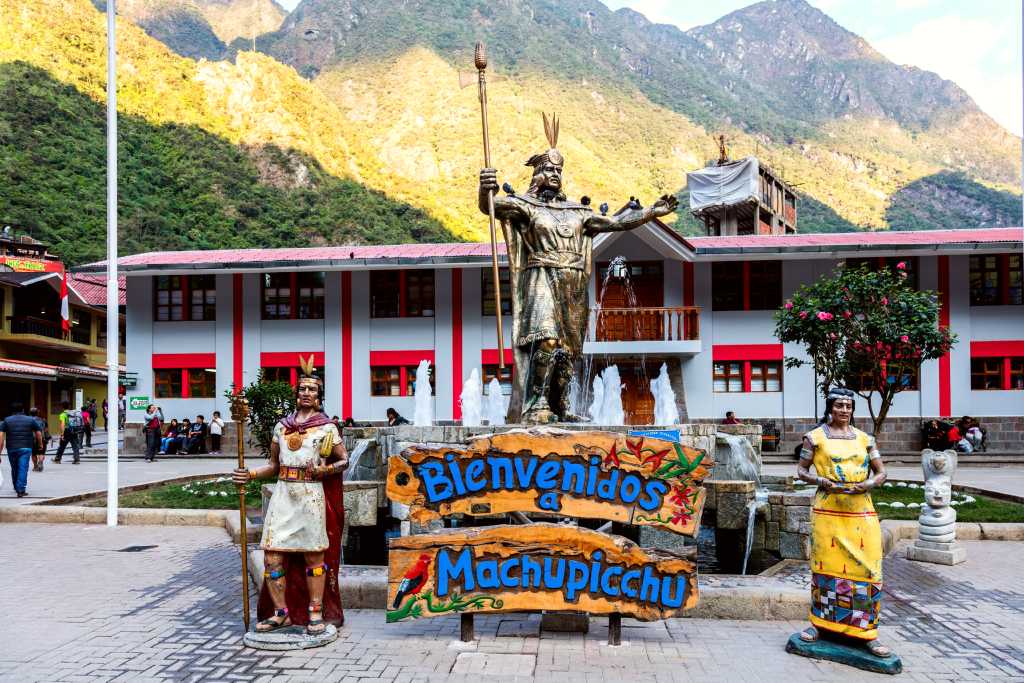
Aguas Calientes is a small town that serves as the gateway to Machu Picchu. The Urubamba River flows through it, creating a scenic backdrop of steep cliffs and lush greenery. The town is pedestrian-friendly, making it easy to explore on foot.

Read more

Visitors often come for the thermal baths and the proximity to the ancient ruins. The atmosphere is relaxed, with a mix of tourists and locals. However, prices can be higher here due to its remote location, so budget accordingly.
Routes through here
Every route opens in the planner as your own copy: change any stop, any night.

Sightseeing

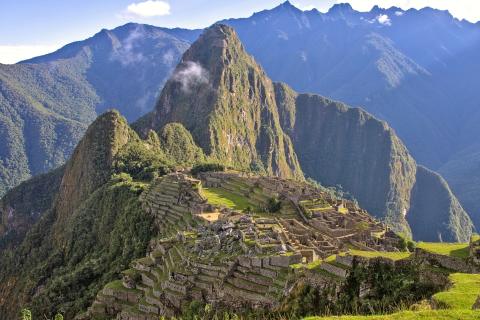
Machu Picchu: The iconic Incan citadel that draws most visitors.
Thermal Baths: Relax in the natural hot springs that give the town its name.
Urubamba River: Enjoy the views and sounds of the flowing river.
Local Market: Browse for handicrafts and souvenirs near the train station.
Huayna Picchu: Hike to the peak for panoramic views of Machu Picchu.
Cultural Centre: Purchase tickets for Machu Picchu and learn about its history.

"Gateway to Machu Picchu"Aguas Calientes

Things to do

Hike to Machu Picchu: A steep trek that takes about 90 minutes.
Visit the thermal baths: Soak in the hot springs after a long day of hiking.
Explore the jungle trails: Discover local flora and fauna in the cloud forest.
Birdwatching: Spot unique species like the Andean Cock-of-the-Rock.
Local food and drinks - Aguas Calientes

Local food and drinks

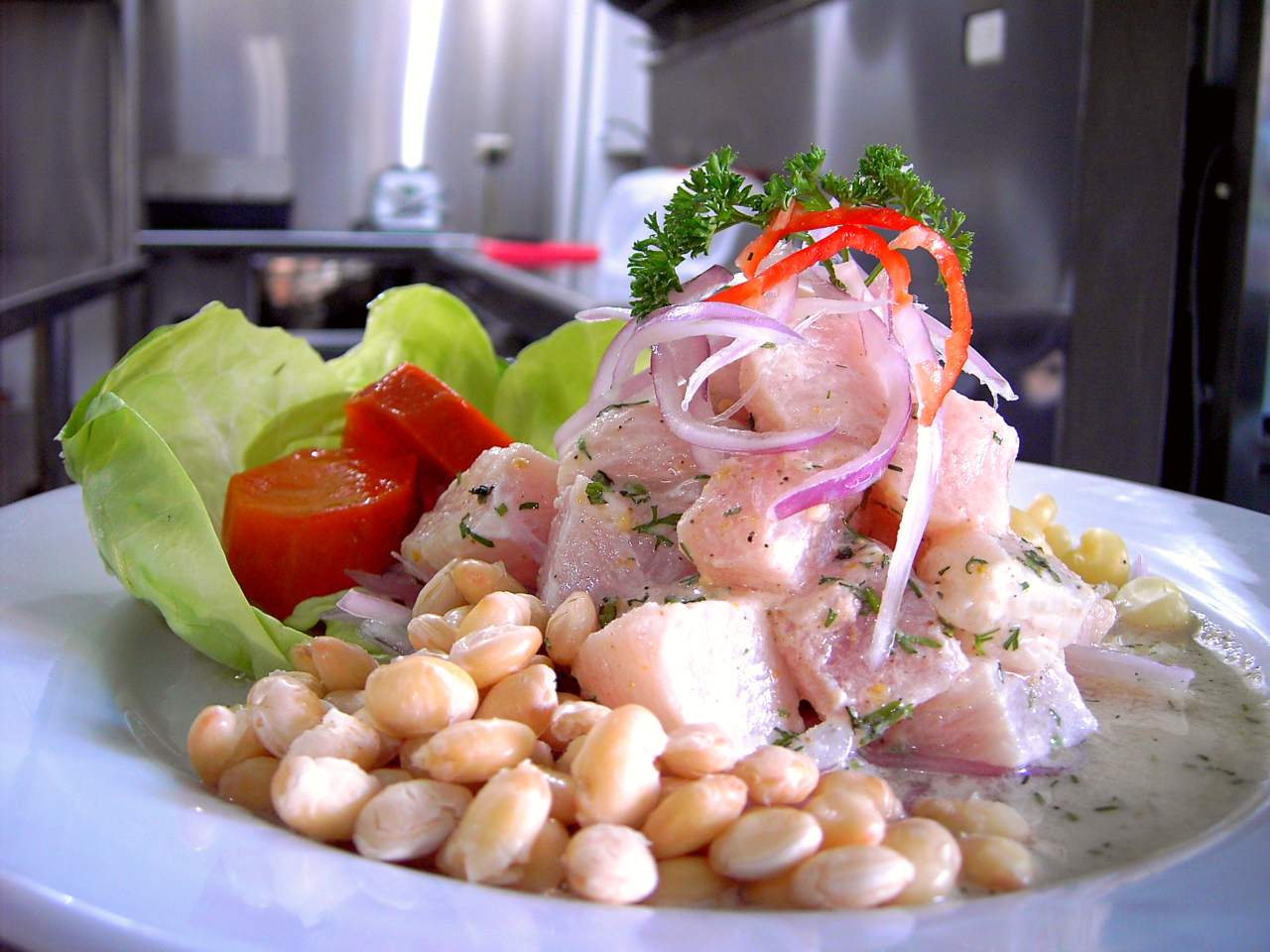
Ceviche: Fresh fish marinated in lime, a local favorite.
Lomo Saltado: A stir-fry of beef, tomatoes, and fries, served with rice.
Chicha Morada: A sweet purple corn drink, popular in the region.
Pachamanca: A traditional dish cooked underground with hot stones.
Local eateries: Many restaurants offer a mix of Peruvian and international cuisine.
Local traditions - Aguas Calientes

Local traditions

Inti Raymi: A festival celebrating the sun god, held in June.
Fiesta de la Virgen del Carmen: A local celebration in July with parades and music.
Traditional weaving: Local artisans create textiles using ancient techniques.

Do's and don'ts

Book your Machu Picchu tickets in advance.
Bring cash, as not all places accept credit cards.
Negotiate prices at markets to avoid overpaying.
Try local dishes to experience authentic Peruvian cuisine.
Don't assume all restaurants have the same prices; check before ordering.
Don't drink tap water; stick to bottled water for safety.
Don't hike to Machu Picchu without proper footwear and preparation.
Don't ignore local customs and etiquette when interacting with residents.

Practical

At a glance

Founded
the early 20th century
Population
1.500
Accessibility
Mostly pedestrian, but some areas have steep paths.
Price level
Mid-range

Things to know

Be cautious of inflated prices in restaurants and shops.
Transport options are limited; most travel is on foot or by bus.
The area can get crowded, especially during peak tourist seasons.
Keep an eye on your belongings, as petty theft can occur.
history_eduHistoryexpand_more

Aguas Calientes was established in the early 20th century as a base for workers building the railway to Machu Picchu. It grew rapidly as tourism increased, becoming a key stop for visitors heading to the ruins. The town's name translates to 'hot waters,' referring to the thermal springs that have attracted visitors for centuries. Today, it serves as a vital hub for those exploring the Incan heritage of the region.

Photo: Wikipedia / Wikimedia Commons