
search
search
add New trip
Arequipa

Arequipa

Dianna · Pixabay
Dianna · Pixabay
warningEarthquake1 warning calendar_monthMay–Sepbest time schedule3 daysplan for child_careYeswith kids confirmation_numberMid-rangeprice
ArequipaYour own route Plan a trip here →
Earthquake Earthquake impacted this country. Please travel safely

This concerns Peru as a whole. Check official travel advisories before you go.

Placed by the Kiomigo editors.

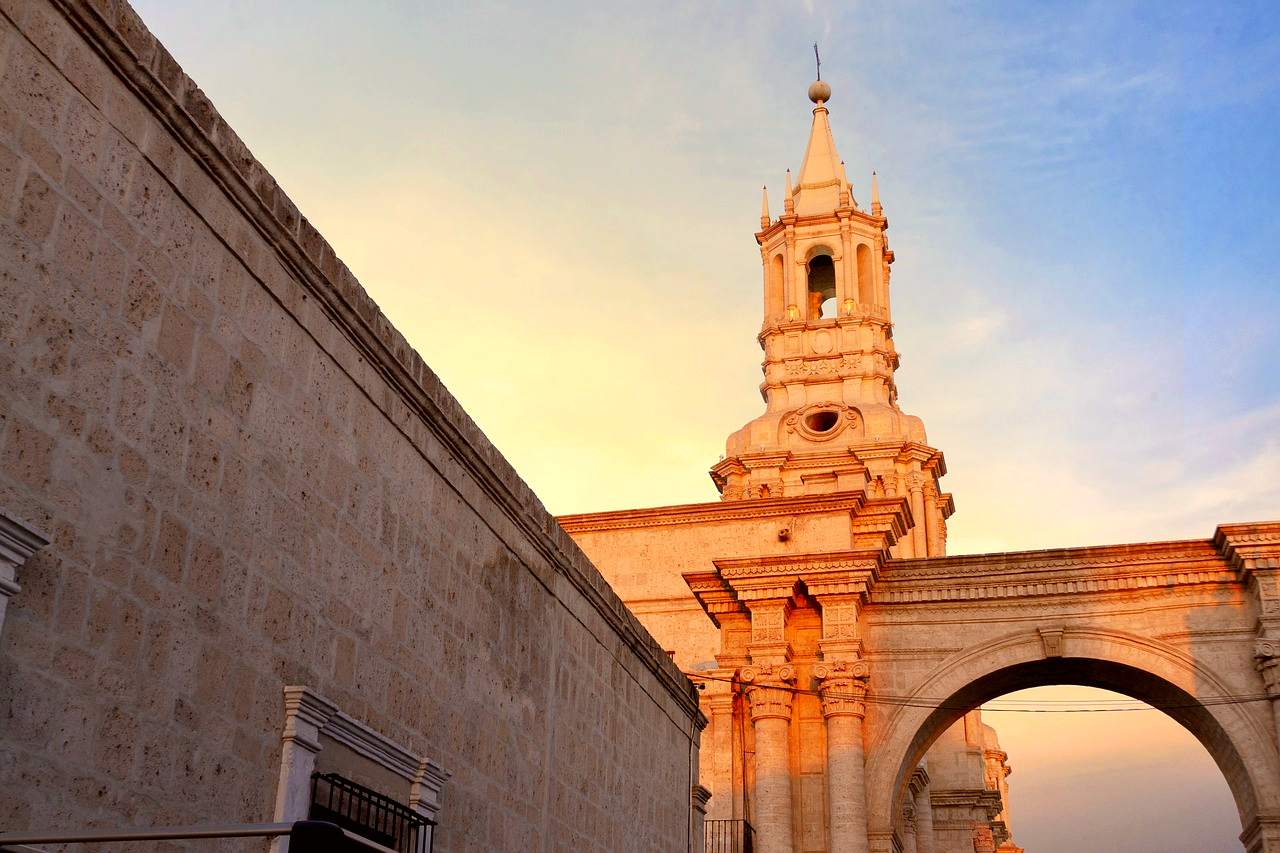
Arequipa, known as the White City, captivates visitors with its stunning colonial architecture and backdrop of the majestic Misti volcano. The city's vibrant culture and warm climate make it a delightful stop for travelers exploring southern Peru.

Read more

Strolling through Arequipa's historic center, a UNESCO World Heritage site, you'll encounter beautiful plazas, lively markets, and a rich tapestry of traditions that reflect its diverse heritage. However, be prepared for altitude adjustments, as Arequipa sits at over 2,300 meters above sea level.

Routes through here

Every route opens in the planner as your own copy: change any stop, any night.

In pictures

Arequipa Ulli · Pixabay

Sightseeing

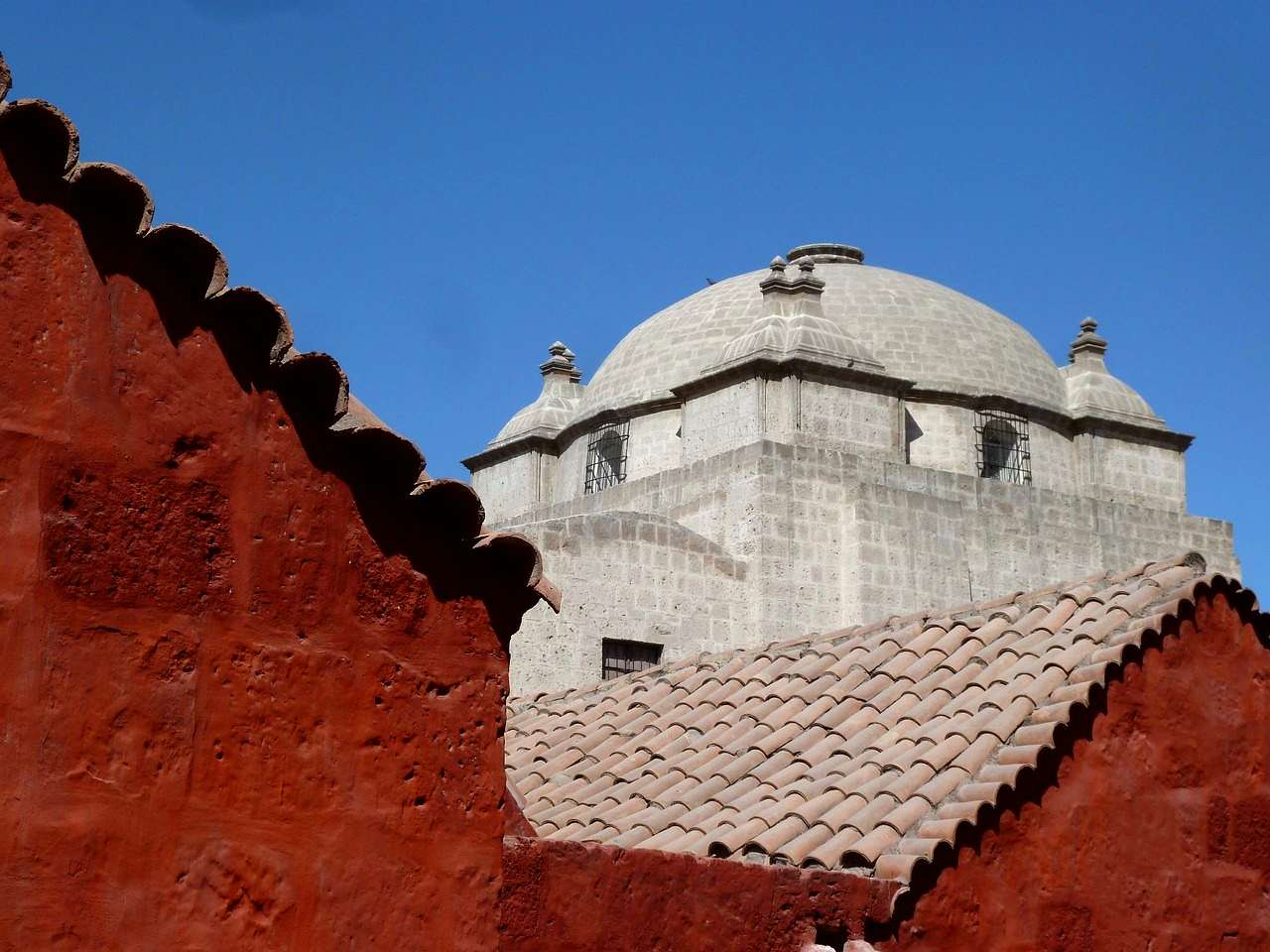
Santa Catalina Monastery: a stunning convent with colorful streets
Plaza de Armas: the heart of the city, surrounded by cafes
Museo Santuarios Andinos: home to the famous Juanita mummy
Arequipa Cathedral: an impressive neoclassical structure
Misti Volcano: a challenging hike with breathtaking views
Yanahuara Viewpoint: offers panoramic vistas of the city
Calle Santa Catalina: a picturesque street with artisan shops
La Mansion del Fundador: a historic colonial mansion

"Experience the charm of the White City"Arequipa

Things to do

Explore the Santa Catalina Monastery: a serene complex with colorful walls and narrow streets.
Hike Misti Volcano: for adventurous travelers seeking panoramic views of the city and surrounding landscape.
Visit local markets: experience authentic Peruvian culture and cuisine at places like San Camilo Market.
Take a cooking class: learn to prepare traditional Arequipeña dishes like rocoto relleno, a spicy stuffed pepper.
Enjoy a city tour: discover Arequipa's rich history and colonial architecture, including the Cathedral and La Compañía de Jesús.

Local food and drinks

Rocoto Relleno: a spicy stuffed pepper dish
Adobo Arequipeño: a flavorful pork stew
Chicha de Jora: a traditional fermented corn drink
Queso Helado: a delicious local ice cream treat
Picanterías: local eateries serving traditional dishes
Local traditions - Arequipa Felipe Guamán Poma de Ayala · Public domain

Local traditions

Fiesta de la Virgen de la Candelaria: a vibrant festival in February
Arequipa's Day: celebrated on August 15 with parades and events
Traditional folk dances: performed during various local celebrations
Culinary festivals: showcasing Arequipa's rich gastronomy

Do's and don'ts

Try local dishes at picanterías
Visit museums to learn about local history
Engage with locals to understand their culture
Respect religious sites and customs
Don't underestimate the altitude; acclimatize first
Don't flash valuables in crowded areas
Don't ignore local customs and etiquette
Don't rush your visit; take time to explore

Misti Volcano: A constant companion

Misti Volcano towers over Arequipa, its snow-capped peak often visible from various points in the city. The volcano is not just a backdrop; it shapes the local climate and culture. Many locals have stories about the volcano, and some even offer guided hikes for those looking to explore its slopes. If you decide to trek, start early to avoid the midday heat and carry plenty of water. The views from the summit are rewarding, but the altitude can be challenging, so take your time and acclimatize properly.

Iglesia de la Compañía: Baroque beauty

The Iglesia de la Compañía de Jesús is a prime example of Arequipa's colonial architecture, showcasing intricate baroque details. The facade, made from sillar, a local white volcanic stone, gleams in the sunlight. Inside, the ornate altars and frescoes tell stories of the past. Visiting is free, but consider a small donation to support the upkeep of this historic site. The church is often less crowded in the early morning, allowing for a more peaceful experience as you take in the artistry and history.

Santa Catalina Monastery: A city within a city

The Convento de Santa Catalina is a vast complex that feels like a small town. With its colorful walls and narrow streets, it offers a glimpse into the lives of nuns who lived here for centuries. The monastery is open to the public, and guided tours provide insights into its history and architecture. Plan to spend a couple of hours wandering through the peaceful courtyards and chapels. The entrance fee is reasonable, and it’s worth it for the chance to escape the city's hustle and immerse yourself in this serene environment.

Practical

At a glance

Founded
1540
Population
1.200.000
Accessibility
Some areas are accessible, but many streets are uneven.
Price level
Mid-range

Things to know

Altitude sickness can affect visitors; take it slow.
Public transport can be crowded and confusing; consider taxis.
Some areas may not be well-lit at night; stay vigilant.
Be cautious of tourist traps in popular areas; do your research.
The dry season runs from May to October, making it a good time to visit, while the rainy season from November to April can lead to occasional downpours.
history_eduHistoryexpand_more

Arequipa was founded in 1540 by Spanish conquistadors and quickly became an important colonial city due to its strategic location and agricultural wealth. The city flourished, with many beautiful buildings constructed from the local white volcanic stone, giving it the nickname the White City.

Throughout its history, Arequipa has been a center of political and cultural activity in Peru. It has experienced various uprisings and conflicts, particularly during the struggle for independence in the 19th century, which shaped its unique identity and heritage.

Photo: Dianna · Pixabay Content License · Pixabay

Photo credits (1)