Cusco
This concerns Peru as a whole. Check official travel advisories before you go.
Placed by the Kiomigo editors.
Cusco is a vibrant city that feels like a living museum, with its blend of Incan and colonial architecture. The cobblestone streets are lined with colorful markets, lively plazas, and welcoming locals, making it a captivating place to explore.
Read more
However, the high altitude can be challenging for some visitors, so take time to acclimatize. The city is bustling with tourists, especially during peak seasons, which can sometimes detract from its charm.
Highlights
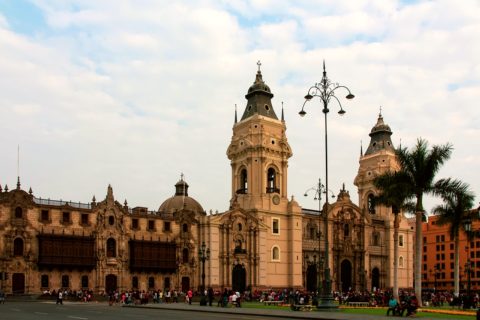
Cusco Cathedral
Stunning colonial architecture and art
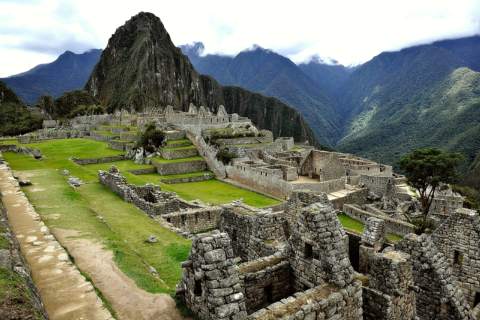 capobleu2a · Pixabay
Machu Picchu
Iconic Incan citadel with breathtaking views
Qorikancha
Inca temple turned colonial church
Sacsayhuamán
Remarkable Inca fortress with massive stones
Routes through here
Every route opens in the planner as your own copy: change any stop, any night.
Sightseeing
Things to do
Local food and drinks
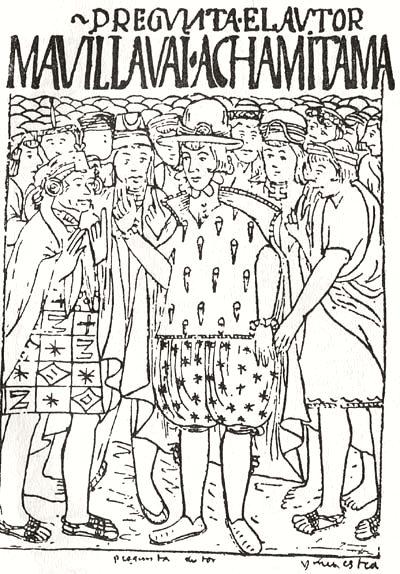 Felipe Guamán Poma de Ayala · Public domain
Local traditions
Do's and don'ts
Practical
At a glance
- Founded
- 1100 AD
- Population
- 430.000
- Accessibility
- Some areas are steep and challenging for mobility.
- Price level
- Mid-range
Things to know
History
Cusco was the historic capital of the Inca Empire, flourishing from the 15th century until the Spanish conquest in the 16th century. The city was designed in the shape of a puma, symbolizing strength and power, and served as the political and cultural heart of the empire.
After the Spanish arrived, much of the Incan architecture was destroyed or repurposed, leading to a unique blend of styles that define the city today. Cusco was declared a UNESCO World Heritage Site in 1983, recognizing its rich history and cultural significance.