kiomigo
search
search
add New trip
Lima

Lima

Population: 9.000.000 Since: Founded in 1535 Price: Mid-range Capital city
warning
Earthquake (Peru) : Earthquake impacted this country. Please travel safely. Check official travel advisories before you go.
accessible Accessibility: Some areas are wheelchair accessible, others are not

Introduction

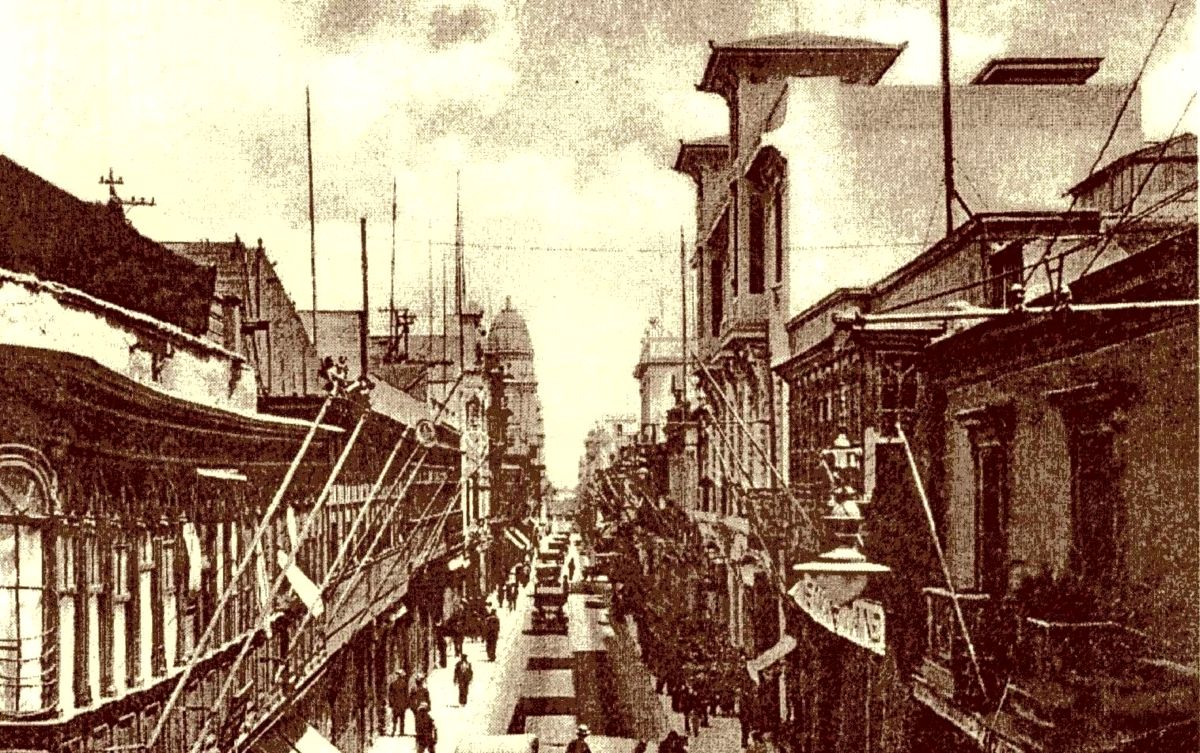
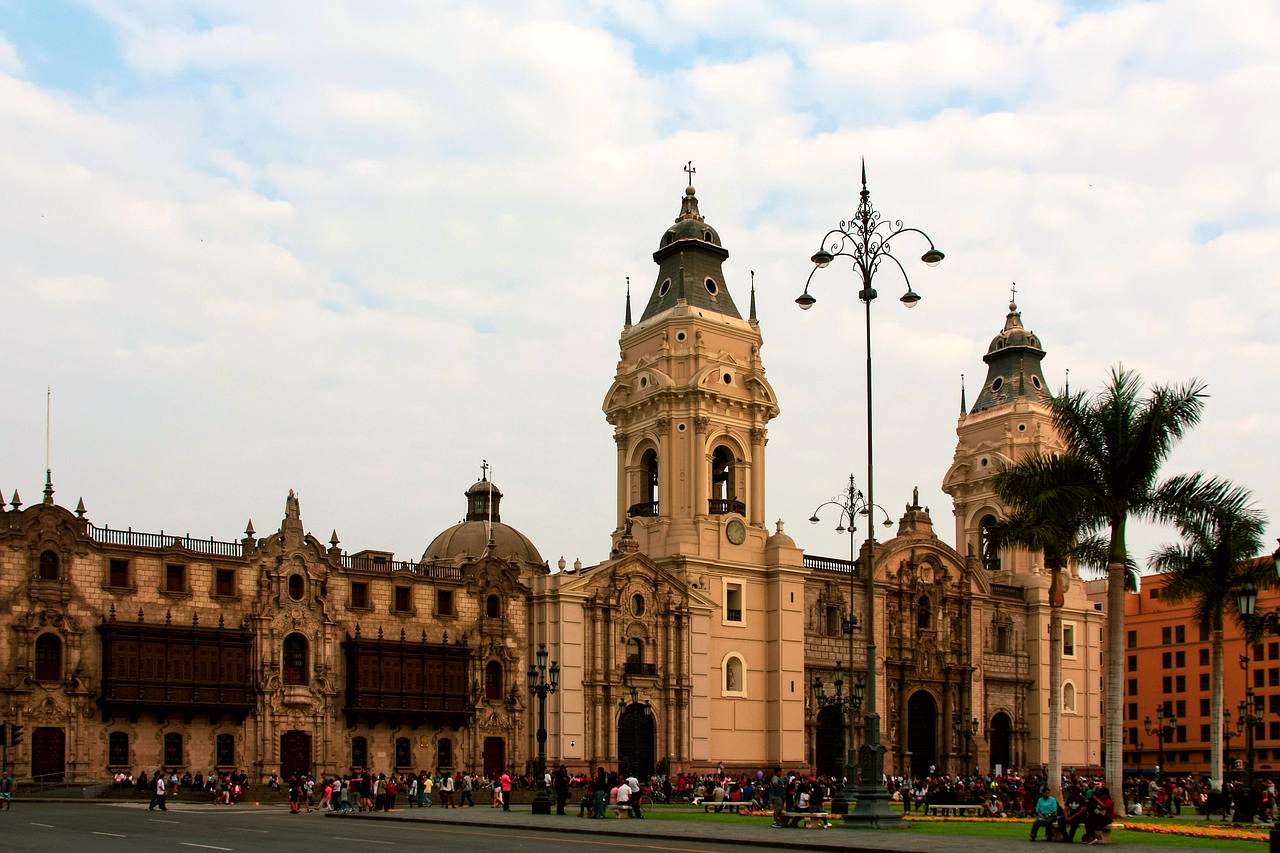
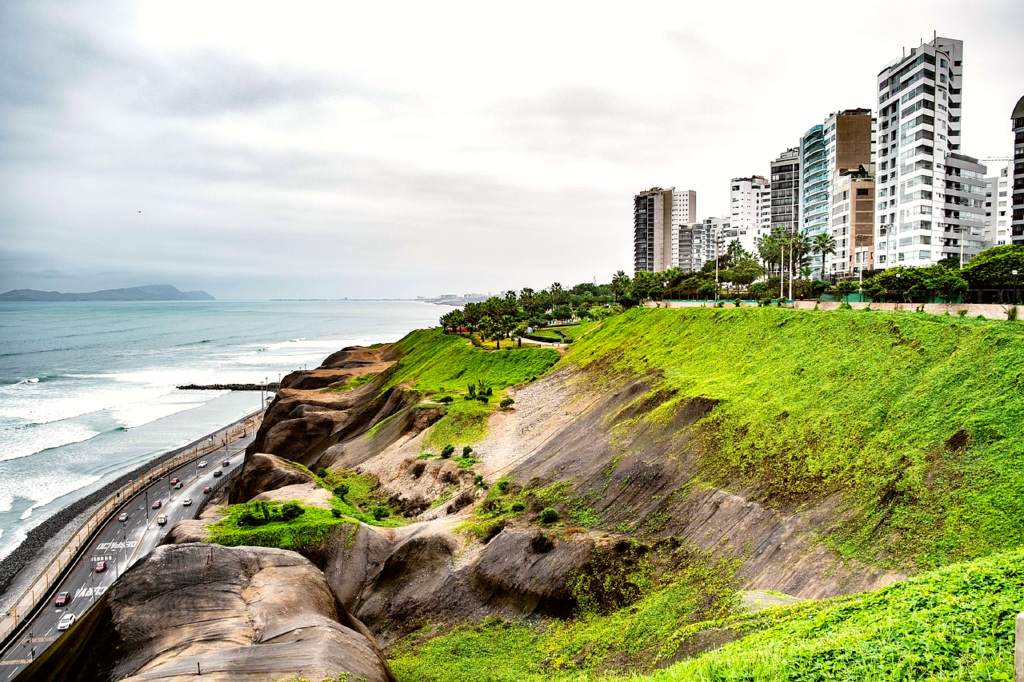
Lima, the capital of Peru, is a vibrant city where colonial architecture meets modernity. The coastal location offers stunning views of the Pacific Ocean, while the bustling streets are filled with a mix of cultures and flavors that reflect its rich history.

Visitors will find a lively atmosphere, especially in districts like Miraflores and Barranco, known for their art, nightlife, and culinary scenes. However, the city's traffic can be overwhelming, and the air quality may not be ideal for everyone.

In pictures

Lima
Lima
Lima
Lima
Lima
Lima

Sightseeing

Plaza Mayor: the historic heart of Lima
Larco Museum: showcasing pre-Columbian art
Miraflores Boardwalk: scenic oceanfront promenade
San Francisco Monastery: famous for its catacombs
Barranco: a bohemian district with vibrant street art
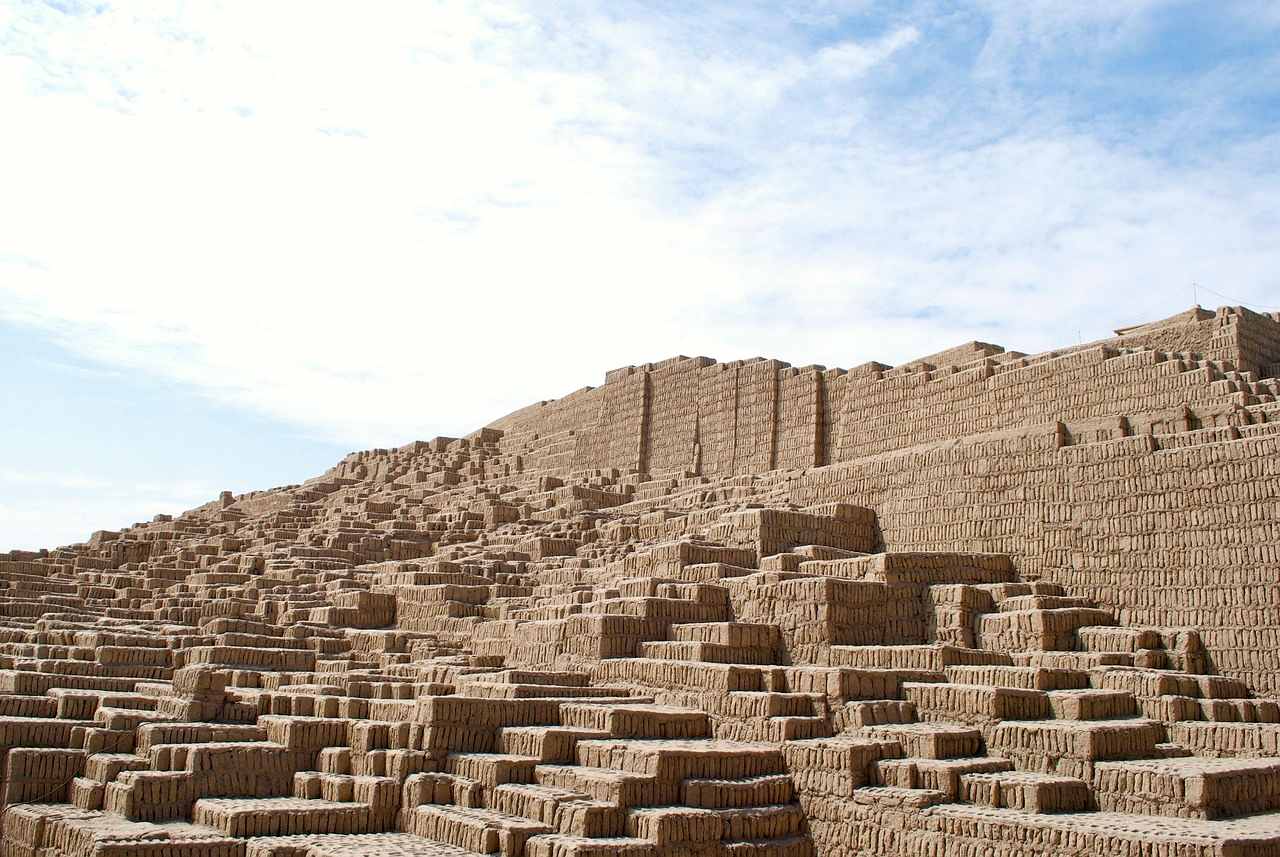
Huaca Pucllana: ancient ruins in the city
Parque Kennedy: a lively park with local vendors
Government Palace: impressive colonial architecture

"A city of history and flavor"Lima

Things to do

Explore the historic center: rich in colonial history
Visit local markets: experience authentic Peruvian culture
Take a cooking class: learn to make ceviche
Enjoy the nightlife: bars and clubs in Barranco
Relax at the beach: enjoy the Pacific waves

Local food and drinks

Ceviche: Peru's iconic dish of raw fish
Pisco Sour: the national cocktail of Peru
Lomo Saltado: a popular stir-fry dish
Anticuchos: skewered beef heart, a street food favorite
Central: a renowned fine dining restaurant

Local traditions

Inti Raymi: the Festival of the Sun in June
Semana Santa: vibrant Holy Week celebrations
Feria del Señor de los Milagros: a major religious procession
Peruvian Independence Day: celebrated on July 28
History - Lima

History

Founded in 1535 by Spanish conquistador Francisco Pizarro, Lima quickly became the most important city in the Spanish Empire in South America. Its strategic coastal location facilitated trade and cultural exchange, leading to a blend of indigenous and Spanish influences that shaped its identity.

Over the centuries, Lima has faced challenges such as earthquakes and social unrest, yet it has continually evolved. Today, it stands as a testament to resilience, with a rich tapestry of history visible in its architecture and cultural practices.

Things to know

Traffic can be chaotic, plan for delays
Air quality may be poor, especially in winter
Pickpocketing can occur in crowded areas
Use registered taxis or rideshare apps for safety

Do's and don'ts

Try local street food for an authentic taste
Visit museums for a deeper understanding of history
Engage with locals to learn about their culture
Respect local customs and traditions
Don't flash valuables in public
Don't assume everyone speaks English
Don't drink tap water, stick to bottled
Don't rush through the historic sites

Good to know

Accessibility: Some areas are wheelchair accessible, others are not
Price level: mid-range

Photo: Wikipedia / Wikimedia Commons