search
search
add New trip
Nazca

Nazca

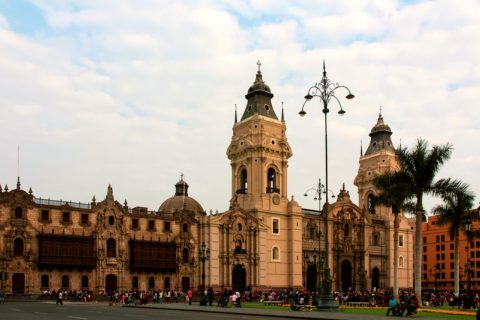
sgrunden · Pixabay
sgrunden · Pixabay
warningEarthquake1 warning calendar_monthMay–Sepbest time schedule3 daysplan for directions_car7 h 23from Lima child_careYeswith kids confirmation_numberMid-rangeprice
NazcaYour own route Plan a trip here →
Earthquake Earthquake impacted this country. Please travel safely

This concerns Peru as a whole. Check official travel advisories before you go.

Placed by the Kiomigo editors.

Nazca is a small city in southern Peru, known for its mysterious geoglyphs etched into the desert floor. Visitors are often captivated by the stark beauty of the surrounding landscape, where the arid climate and clear skies create a unique atmosphere for exploration.

Read more

The city serves as a gateway to the Nazca Lines, but it also offers a glimpse into local life. The streets are lined with charming shops and eateries, and the warm hospitality of the locals makes it easy to feel at home, even in this remote setting.

Routes through here

Every route opens in the planner as your own copy: change any stop, any night.

In pictures
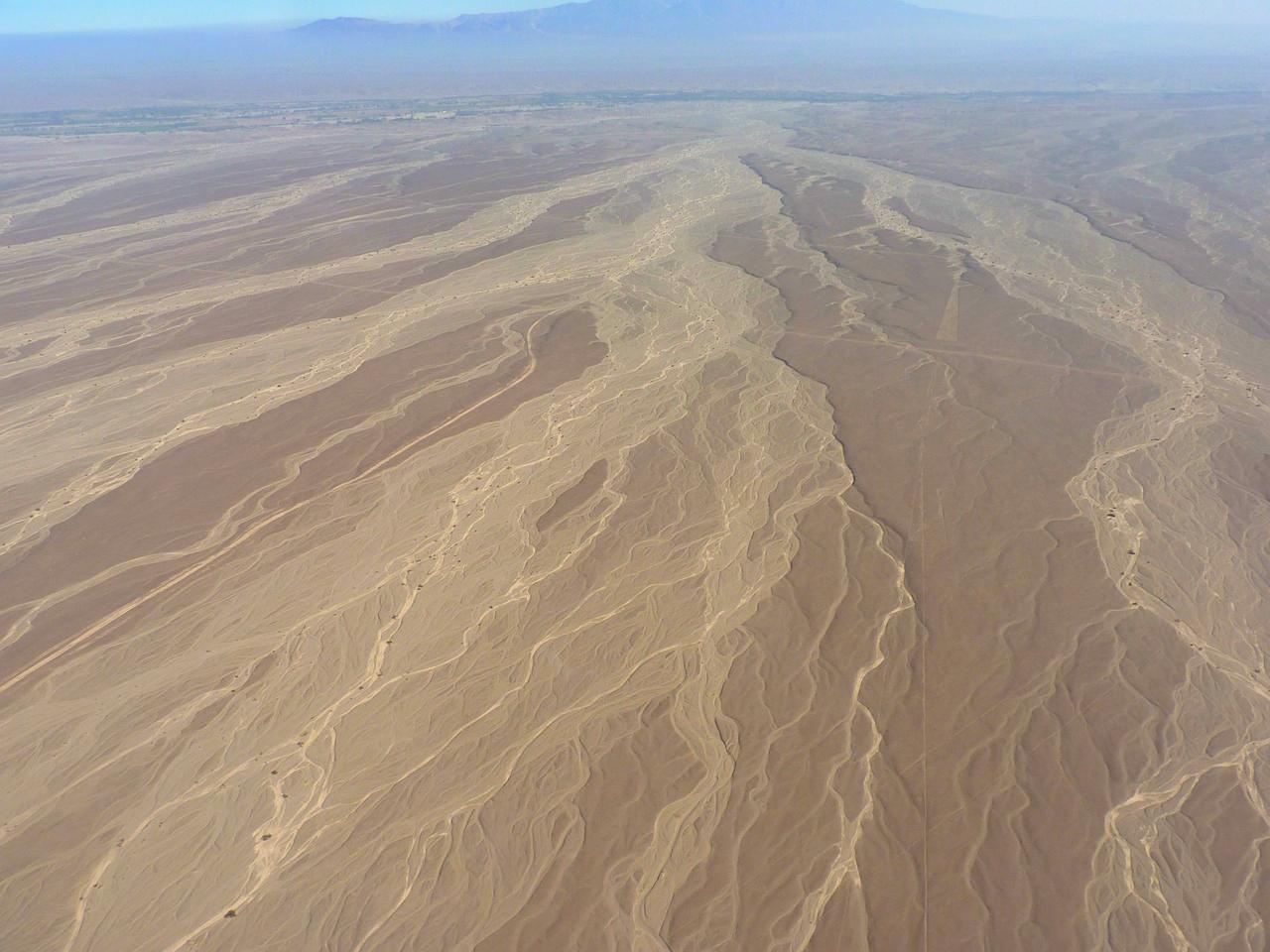
Nazca monikawl999 · Pixabay
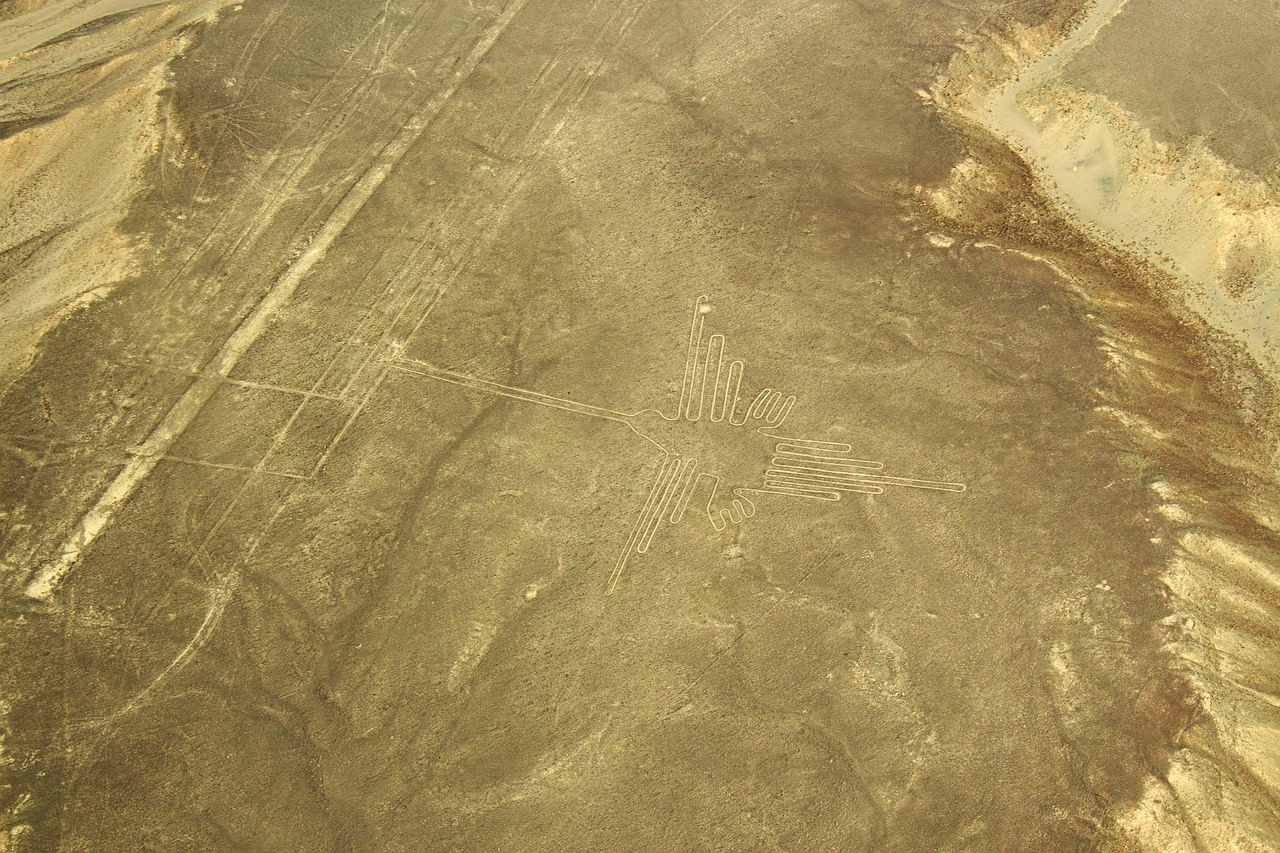
Nazca LoggaWiggler · Pixabay

Sightseeing

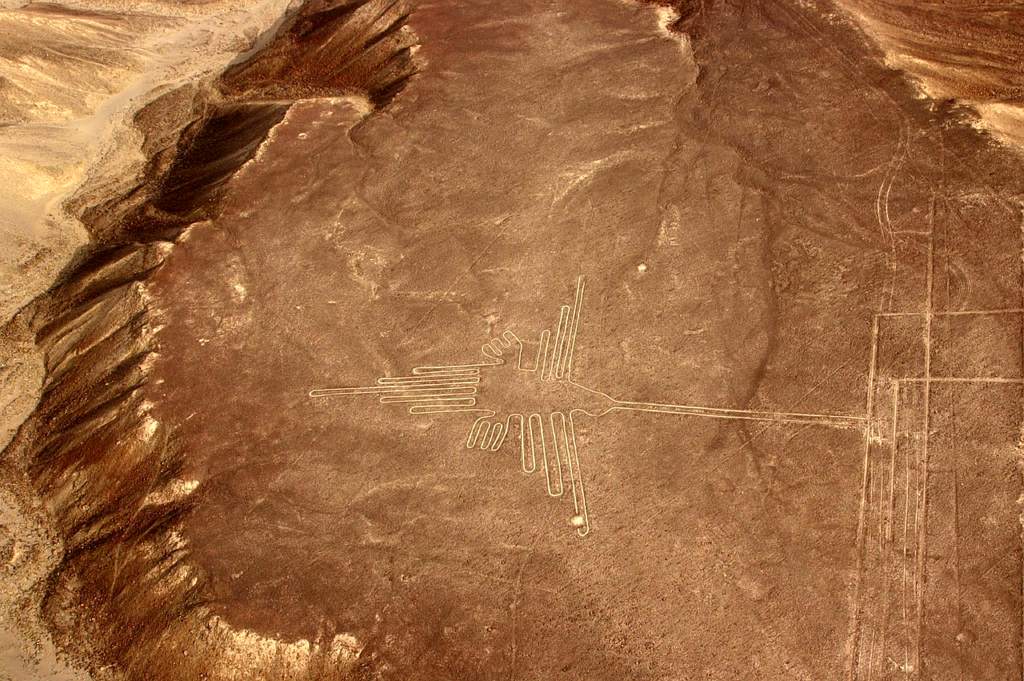
Nazca Lines: ancient geoglyphs best viewed from the air
Nazca Planetarium: informative shows about the lines and astronomy
Chauchilla Cemetery: ancient burial site with well-preserved mummies
Nazca Oasis: a refreshing spot to relax and enjoy nature
Maria Reiche Museum: dedicated to the life of the Nazca Lines researcher

"Discover the Mysteries of Nazca"Nazca

Things to do

Take a flight over the Nazca Lines for a unique perspective of the ancient geoglyphs.
Visit the Museo Arqueologico Antonini on Av de la Cultura 606 for insights into the area's archaeological history and a collection of pottery and textiles.
Explore the nearby desert on a dune buggy tour, or try sandboarding down Cerro Blanco, the second highest dune in the world.
Enjoy stargazing in the clear night sky, especially during the dry season when visibility is best.
Don't miss the Cantalloc aqueducts, an impressive system of underground channels built by the Nazca people to irrigate their crops.

Local food and drinks

Pachamanca: traditional Peruvian dish cooked underground
Causa Rellena: layered potato dish with various fillings
Chicha Morada: sweet purple corn drink
Local ceviche: fresh seafood marinated in lime
Anticuchos: skewered grilled meat, often served with potatoes
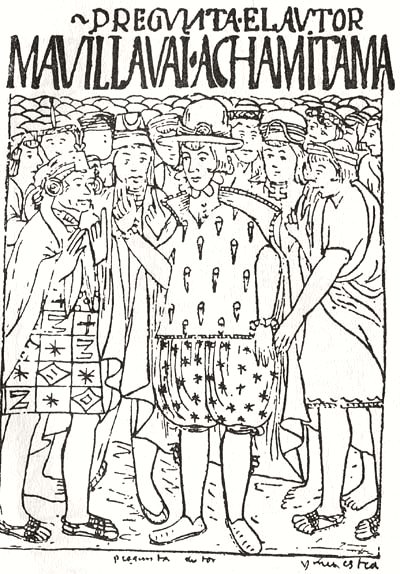
Local traditions - Nazca Felipe Guamán Poma de Ayala · Public domain

Local traditions

Fiesta de la Virgen de la Candelaria: vibrant local festival in February
Inti Raymi: celebration of the sun god, held in June
Traditional music and dance performances during festivals
Craft fairs showcasing local artisans and their work

Do's and don'ts

Book flights in advance for the best rates
Respect local customs and traditions during visits
Try local dishes to experience authentic flavors
Carry water and sunscreen for desert excursions
Don't ignore safety warnings about the desert
Don't take photos of locals without permission
Don't rush your visit, take time to explore
Don't forget to haggle at local markets

Practical

At a glance

Founded
200 BC
Population
25.000
Accessibility
Some areas may be challenging for wheelchairs
Price level
Mid-range

Things to know

Be cautious of overpriced flights over the Nazca Lines.
Public transport can be limited, consider renting a car.
Safety can be a concern at night, stay in well-lit areas.
Timing your visit during the dry season, from May to September, is advisable for clear views.
Note that the town is officially referred to as Nasca, though Nazca is still commonly used in English.
history_eduHistoryexpand_more

Nazca's history dates back to around 200 BC when the Nazca culture flourished, known for their advanced irrigation systems and pottery. The most famous aspect of their legacy is the Nazca Lines, which were created between 500 BC and 500 AD, serving various purposes, including astronomical alignments and religious significance.

The city itself has evolved over centuries, becoming a hub for tourism in the 20th century as interest in the lines grew. Today, Nazca is a blend of ancient history and modern tourism, with many visitors drawn to its archaeological wonders and cultural heritage.

Photo: sgrunden · Pixabay Content License · Pixabay

Photo credits (2)