Puno
This concerns Peru as a whole. Check official travel advisories before you go.
Placed by the Kiomigo editors.
Puno, perched on the shores of Lake Titicaca, offers a unique blend of indigenous culture and stunning natural beauty. Visitors are often captivated by the vibrant markets, traditional music, and the warm hospitality of the locals.
Read more
The city serves as a gateway to the lake's floating islands, where the Uros people live in homes made of totora reeds. However, the altitude can be challenging for some, so acclimatization is essential before exploring the area.
Highlights
Lake Titicaca
World's highest navigable lake
Mercado Central
Vibrant market for local goods
Museo Carlos Dreyer
Showcases local art and history
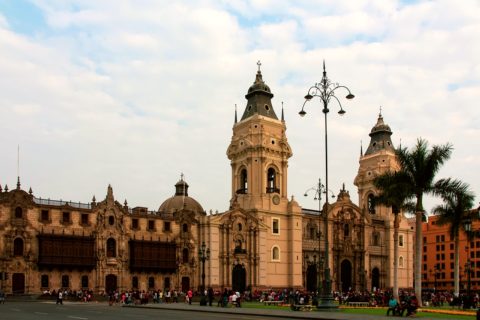
Plaza de Armas
Heart of the city with vibrant atmosphere
Uros Islands
Visit the unique floating islands and meet locals
Routes through here
Every route opens in the planner as your own copy: change any stop, any night.
Sightseeing
Things to do
Local food and drinks
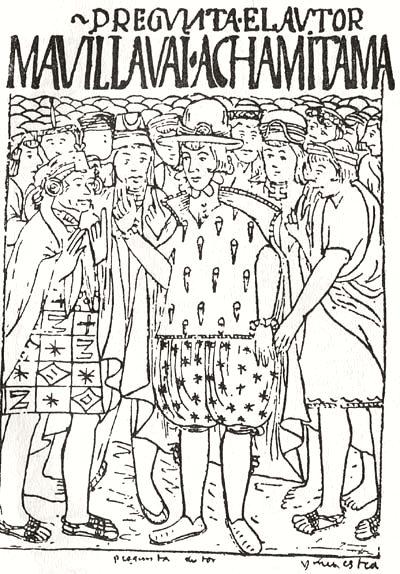 Felipe Guamán Poma de Ayala · Public domain
Local traditions
Do's and don'ts
Practical
At a glance
- Founded
- 1668
- Population
- 150.000
- Accessibility
- Some areas are hilly, limited wheelchair access
- Price level
- Budget
Things to know
History
Puno was founded in 1668 and has a rich history influenced by both indigenous cultures and Spanish colonization. It became a significant trade hub due to its proximity to Lake Titicaca, which has long been revered by the Aymara and Quechua peoples.
The city played a crucial role during the mining boom in the 19th century, attracting settlers and contributing to its growth. Today, Puno is known as the folklore capital of Peru, celebrating its diverse cultural heritage through various festivals and traditions.