Beijing
 Apr–May, Sep–Octbest time
5 daysplan for
Yeswith kids
Apr–May, Sep–Octbest time
5 daysplan for
Yeswith kids
Beijing, the vibrant capital of China, offers a captivating blend of ancient history and modernity. From the majestic Forbidden City to the sprawling Great Wall, every corner tells a story. The city's rich cultural heritage is complemented by a dynamic food scene and bustling markets, making it a must-visit for any traveler.
Read more
However, be prepared for the crowds, especially at popular sites. The air quality can also be a concern, so consider visiting during the cooler months when pollution levels are typically lower. Public transport is efficient, but navigating the language barrier can be challenging for non-Mandarin speakers.
Sightseeing
Local food and drinks
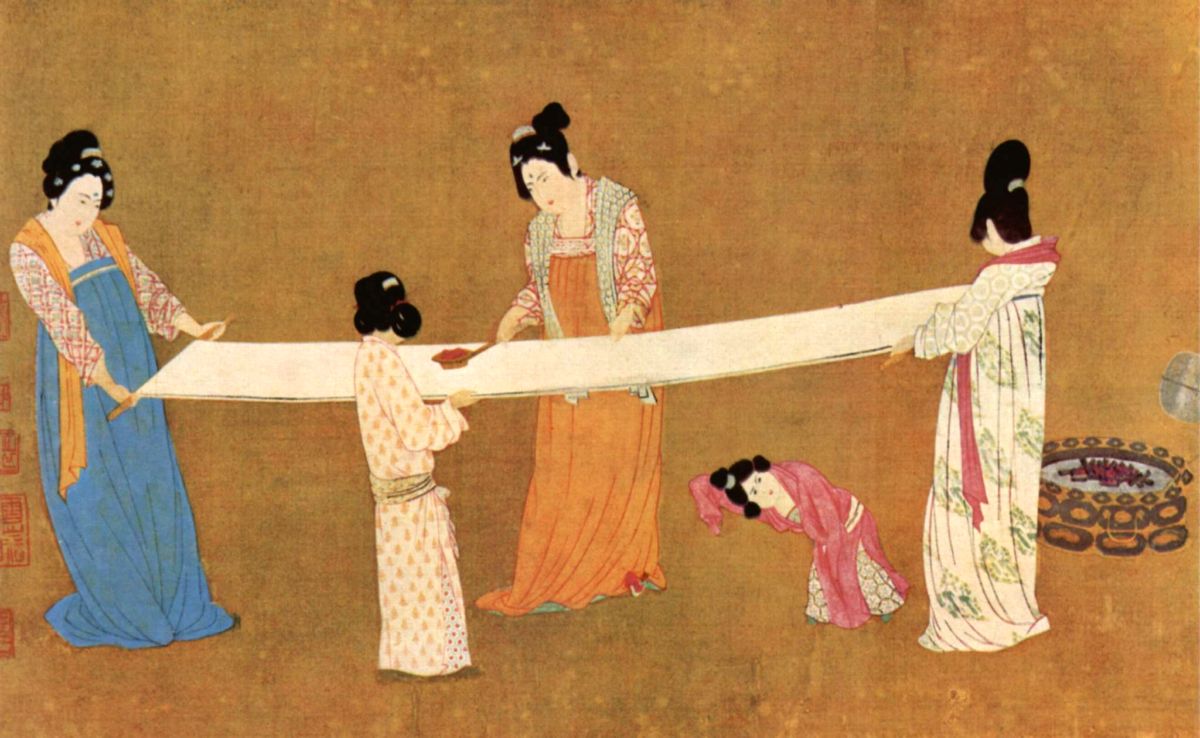 Meister nach Chang Hsüan · Public domain
Local traditions
Practical
At a glance
- Best time
- April to October
History
Beijing's history dates back over 3,000 years, serving as a capital for various dynasties. Its strategic location made it a political and cultural center, culminating in the establishment of the Ming dynasty in the 14th century, which solidified its status as the heart of China.
In the 20th century, Beijing underwent significant changes, especially during the Cultural Revolution. Today, it stands as a symbol of China's rapid modernization while still preserving its rich heritage, making it a fascinating destination for history enthusiasts.