Nagano
 Jan–Apr, Oct–Novbest time
5 daysplan for
Yeswith kids
Jan–Apr, Oct–Novbest time
5 daysplan for
Yeswith kids
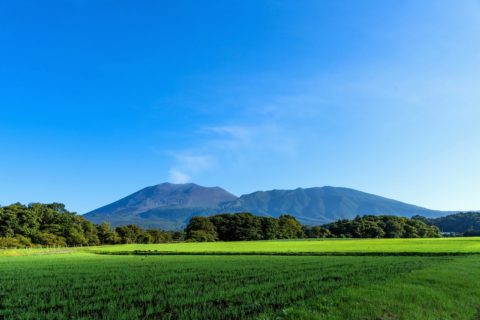
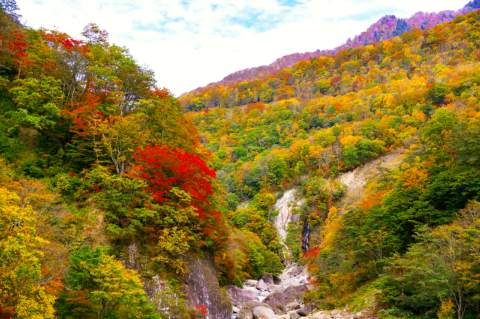
Nagano is known for its mountainous landscapes and outdoor activities. The region is popular for skiing in winter and hiking during the warmer months, with trails that offer views of the Japanese Alps.
Read more
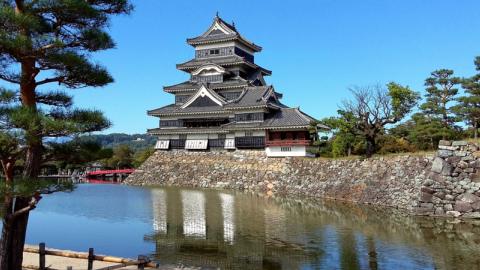
Cultural experiences abound, from traditional ryokan stays to visits to ancient temples. The area is also famous for its hot springs, providing a relaxing way to unwind after a day of exploration.
Cities
Sightseeing
Local food and drinks
 Wikimedia Commons · Public domain
Practical
At a glance
- Best time
- Spring and autumn
History
Nagano has a rich history that dates back to ancient times, serving as a key area for trade and travel. The region was significant during the Edo period, with the Nakasendo route connecting Kyoto and Edo, facilitating cultural exchange.
In 1998, Nagano gained international attention as the host of the Winter Olympics. This event spurred infrastructure development and tourism, making the region more accessible to visitors from around the world.
Photo credits (1)
- Public domain · Wikimedia Commons