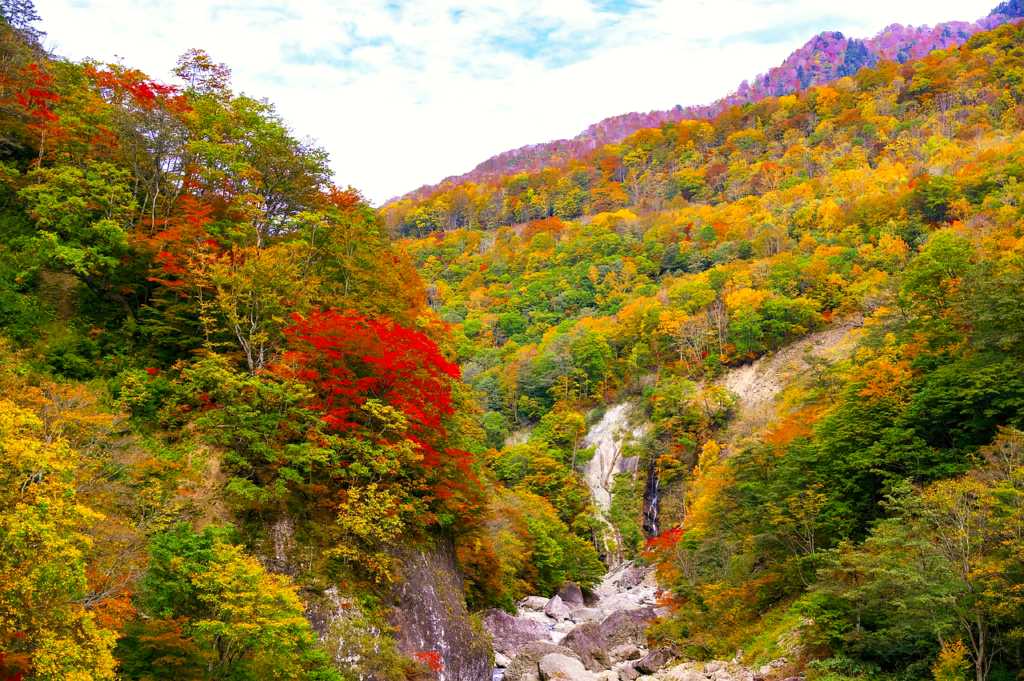
Nagano is a city surrounded by mountains, offering a mix of urban life and nature. Visitors often find themselves drawn to its historical sites and outdoor activities, especially during the winter months when skiing is popular.
Read more
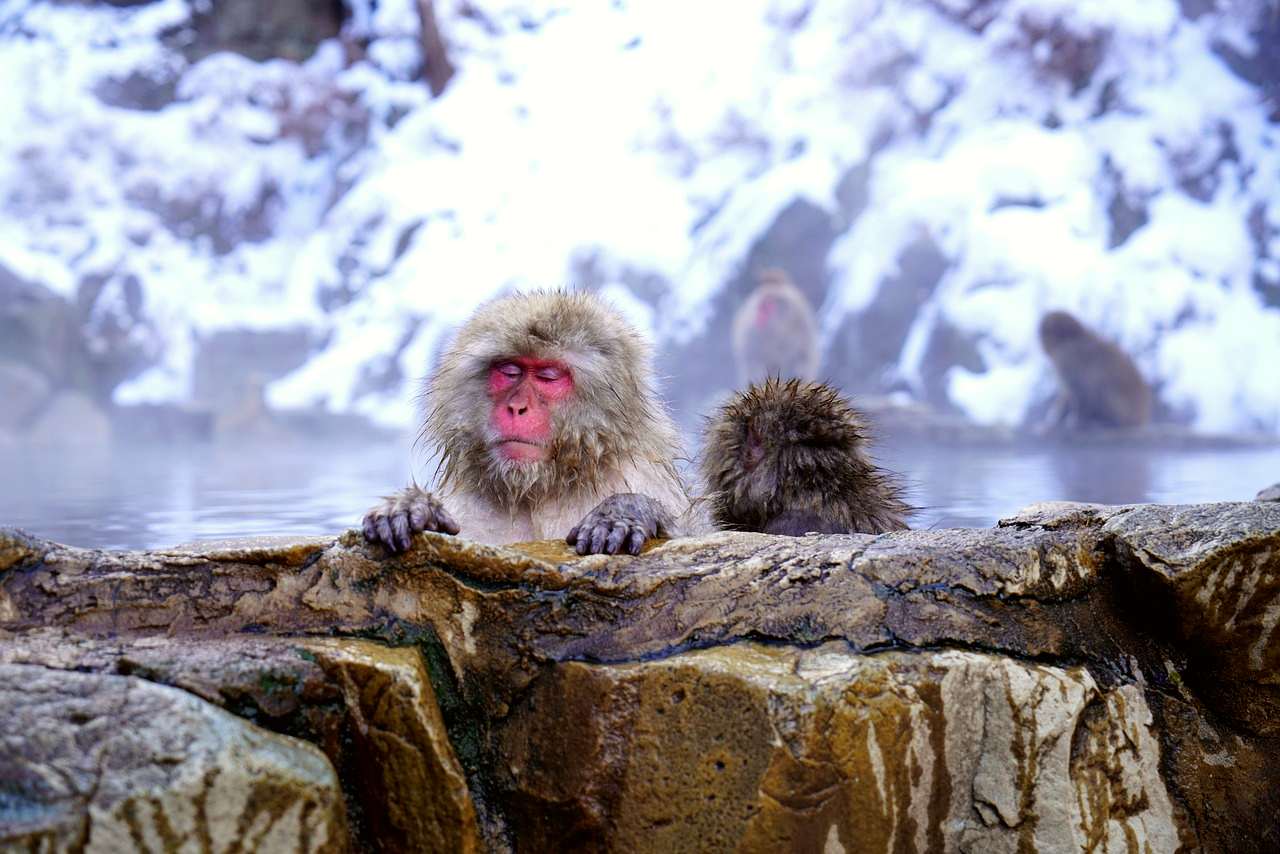
The city is also known for its onsen, or hot springs, which provide a relaxing escape after a day of exploration. The local culture is rich, with traditional festivals and delicious regional cuisine that reflect its heritage.
Highlights
M-Wave
A fun place for ice skating.
Nagano City Joyama Zoo
Small zoo with various animals.
Nagano City Museum
Offers engaging exhibits for kids.
Nagano Prefectural Art Museum
Showcases local art and exhibitions.
Nagano Prefectural Shinano Art Museum
Features kid-friendly art workshops.
Zenkōji
Famous temple with a hidden Buddha.
Zenkōji Temple
A historical site with fascinating stories.
Routes through here
Every route opens in the planner as your own copy: change any stop, any night.
In pictures
Sightseeing
Things to do
Local food and drinks
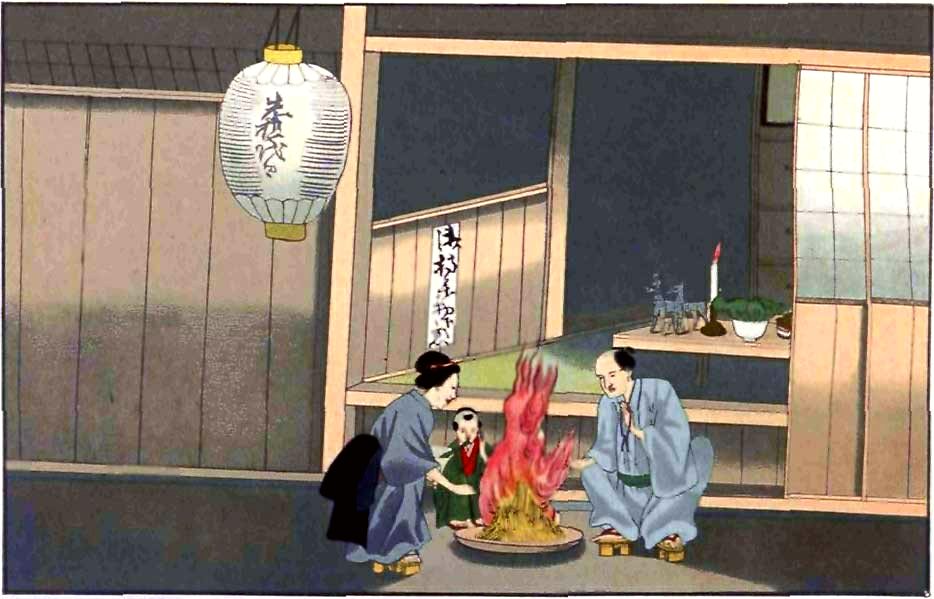 Wikimedia Commons · Public domain
Local traditions
Do's and don'ts
Practical
At a glance
- Founded
- 600 AD
- Population
- 370.000
- Accessibility
- The city has some accessible areas, but check specific locations.
- Price level
- Mid-range
Things to know
History
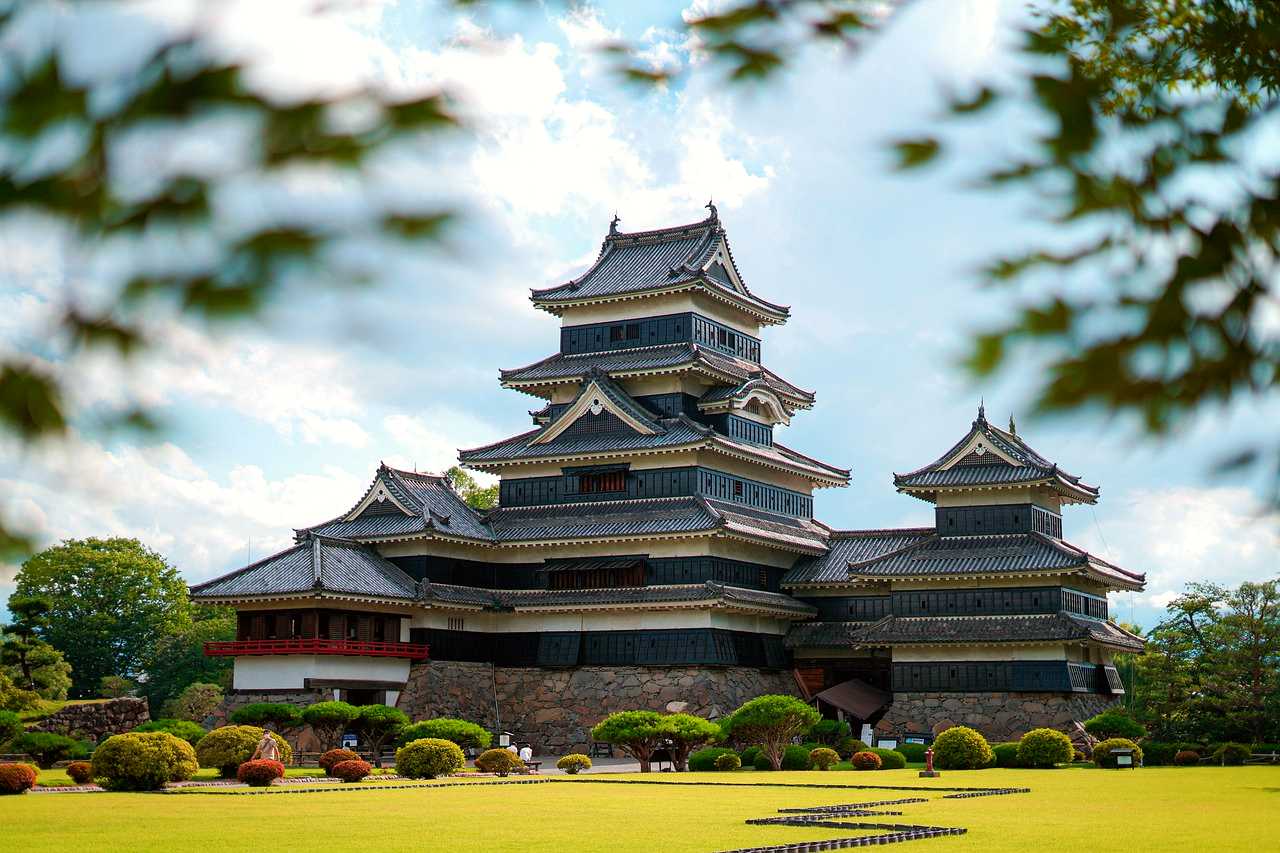
Nagano has a rich history that dates back to ancient times, with evidence of settlement as early as the Jomon period. The city became prominent during the Edo period as a post town on the Nakasendo route, connecting Kyoto and Edo. In 1998, Nagano gained international recognition when it hosted the Winter Olympics. This event led to significant infrastructure development, including sports facilities that are still in use today.
Photo: sayama · Pixabay Content License · Pixabay
Photo credits (2)
- julienlstark · Pixabay Content License · Pixabay
- Pharaoh EZYPT · Pixabay Content License · Pixabay