Tochigi
 Apr–May, Oct–Novbest time
5 daysplan for
Yeswith kids
Apr–May, Oct–Novbest time
5 daysplan for
Yeswith kids
Tochigi offers a mix of natural beauty and cultural experiences. The region is known for its hot springs, historic temples, and scenic landscapes, making it an appealing destination for relaxation and exploration.
Read more
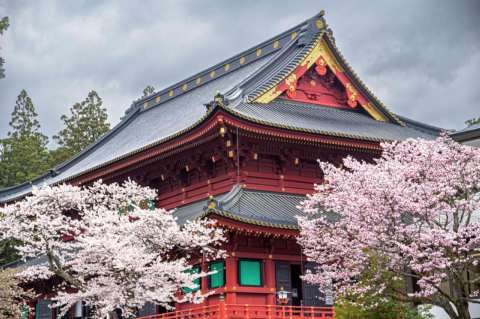
Visitors can enjoy outdoor activities in the Nikko National Park, famous for its waterfalls and hiking trails. The area also features traditional ryokan inns, where travelers can experience Japanese hospitality and cuisine.
Sightseeing
Local food and drinks
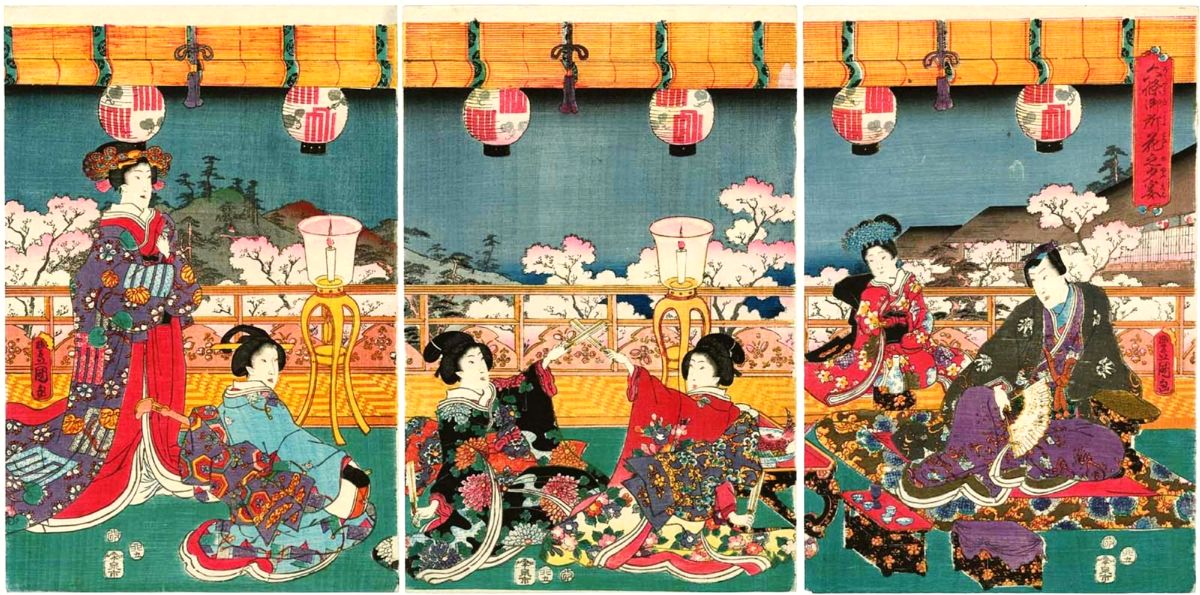 歌川国貞 Utagawa Kunisada · Public domain
Local traditions
Practical
At a glance
- Best time
- Spring and autumn
History
Tochigi has a rich history that dates back to ancient times, with evidence of human settlement from the Jomon period. The region played a significant role during the Edo period, serving as a vital transportation hub between Tokyo and northern Japan.
Nikko became a center of Shinto and Buddhist culture, with the construction of Toshogu Shrine in the 17th century. The area has preserved its historical sites, reflecting its cultural significance and attracting visitors interested in Japan's past.