search
search
add New trip
Nikko
DestinationsJapanTochigi

Nikko

Population: 80.000 Since: Founded around 800 AD Price: Mid-range
warning Hurricane (Japan): Tropical Cyclone SAUDEL-26 · Check official travel advisories before you go.

Introduction

Nikko offers a blend of historical significance and natural beauty. Visitors often flock to its famous shrines and temples, but the surrounding mountains and hot springs provide a different perspective on this city.

While many come for a day trip from Tokyo, those who stay longer can explore hiking trails and local eateries that showcase the region's culinary delights. The atmosphere shifts from crowded tourist spots to serene landscapes as you venture beyond the main attractions.

Sightseeing

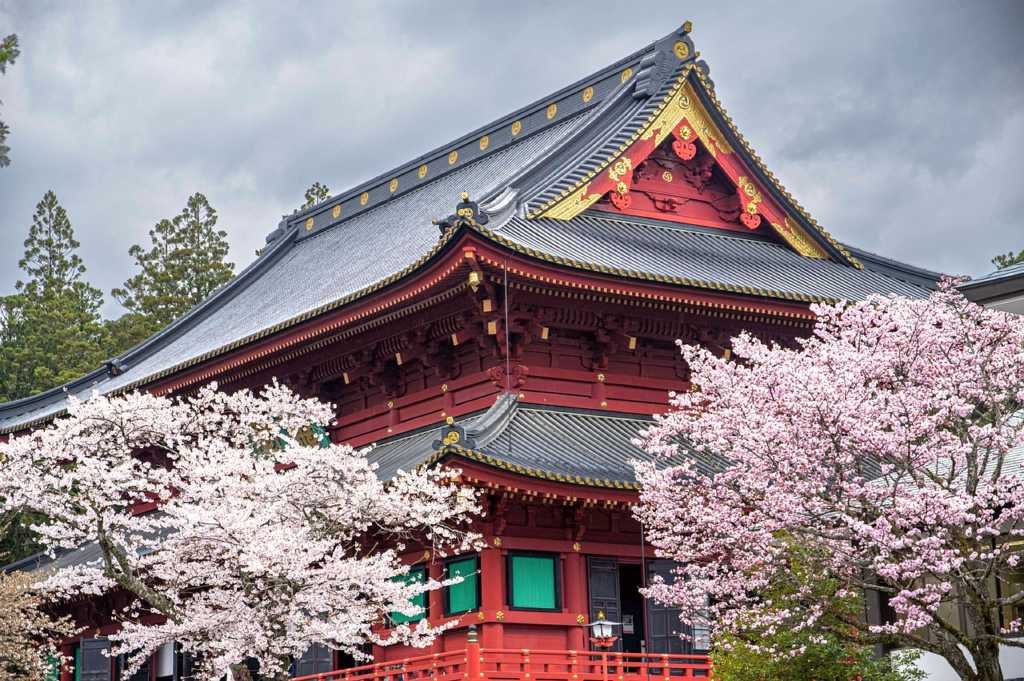
Tōshōgū: The mausoleum of Tokugawa Ieyasu, known for its intricate carvings and historical significance.
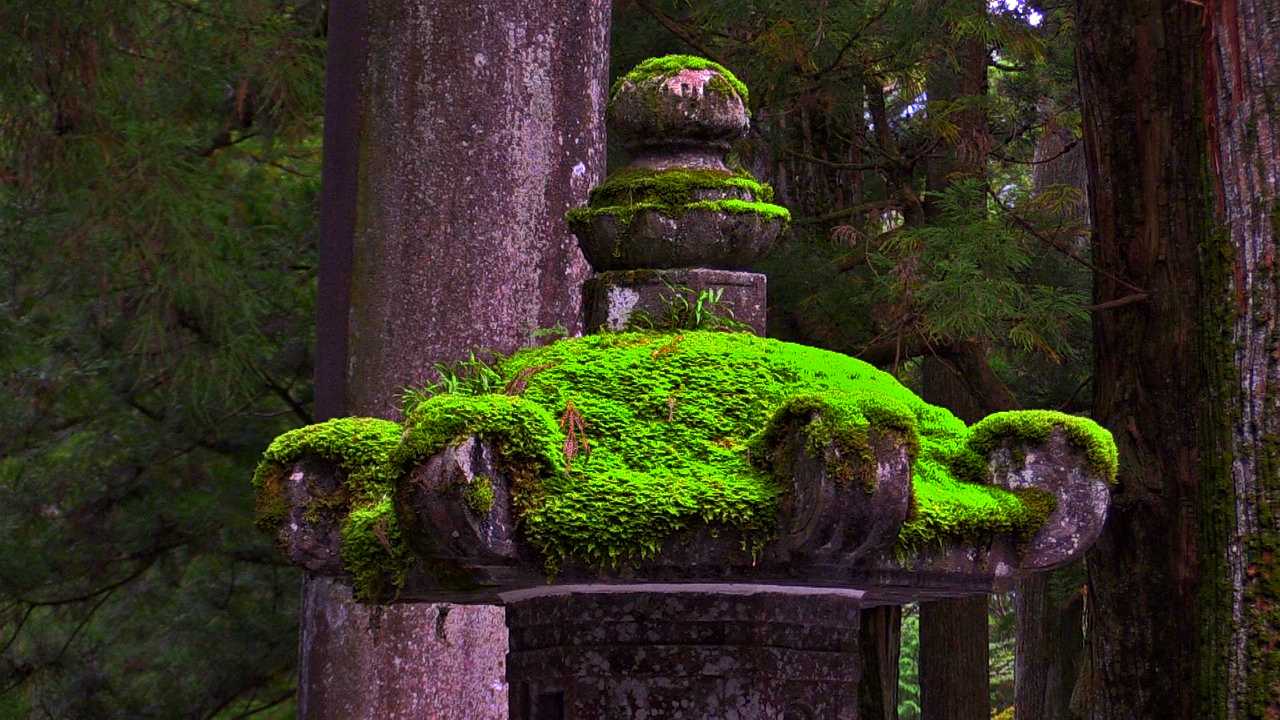
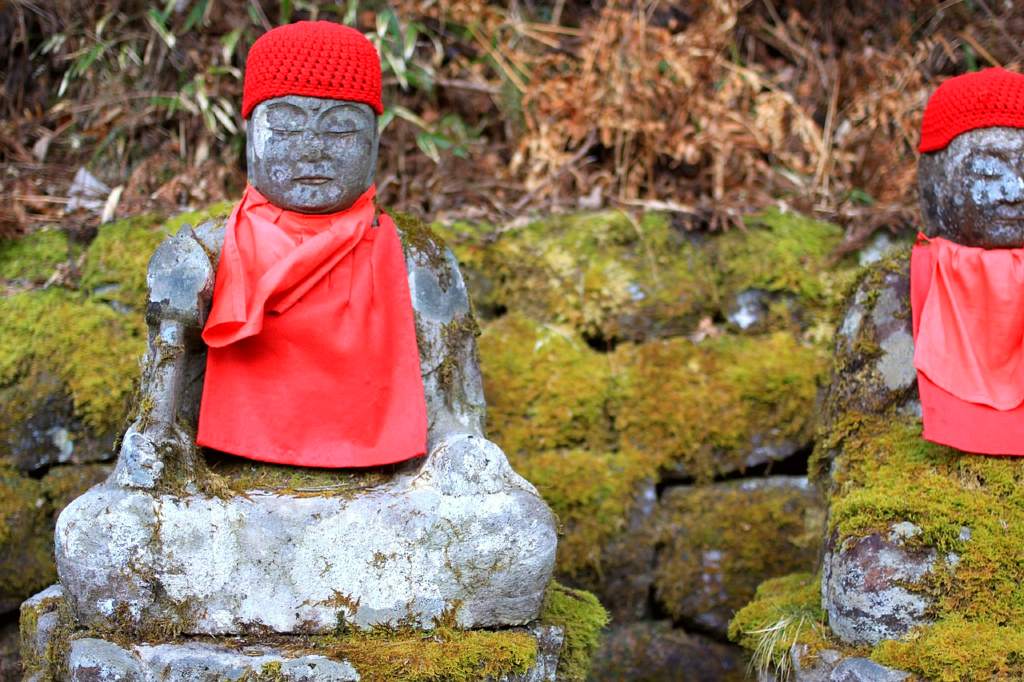
Rinno-ji: A temple founded in the 8th century, featuring beautiful gardens and ancient statues.
Futarasan Shrine: A sacred site dedicated to the deities of the area, surrounded by lush nature.
Shinkyo Bridge: A picturesque red bridge that offers stunning views of the river and mountains.
Kegon Falls: A dramatic waterfall that plunges 97 meters, accessible via a short hike.
Lake Chuzenji: A scenic lake ideal for boating and hiking, especially in warmer months.
Nikko National Park: A vast area with diverse wildlife and numerous trails for outdoor enthusiasts.
Yudaki Falls: A serene waterfall that is less crowded and perfect for a peaceful retreat.

"Nature and history in harmony"Nikko

Things to do

Hike the trails of Nikko National Park: Explore various routes with different difficulty levels.
Visit the hot springs: Relax in one of the many onsen available in the area.
Take a boat ride on Lake Chuzenji: Enjoy the views from the water during the summer months.
Explore the local markets: Discover regional products and souvenirs at the bustling stalls.
Attend a traditional tea ceremony: Experience Japanese culture through this calming ritual.
Local food and drinks - Nikko

Local food and drinks

Yuba: Tofu skin served with soba, a local specialty.
Hippari Dako: A popular eatery known for yakitori and noodles, often crowded with tourists.
Tamarizuke: Vegetables pickled in tamari soy sauce, a local delicacy.
Kasutera: A sponge cake that has become a popular treat in the area.
Local sake: Sample various types of sake from nearby breweries.
Local traditions - Nikko

Local traditions

Nikko Toshogu Festival: Celebrates the life of Tokugawa Ieyasu with parades and performances.
Yuba Festival: Highlights the region's tofu skin delicacy with tastings and events.
Annual Fireworks Festival: A summer event featuring fireworks over Lake Chuzenji.
Traditional New Year celebrations: Local customs include visiting shrines and enjoying special foods.

History

Nikko's history dates back over 1,200 years, with its first temple established along the Daiya River. The area became significant during the Edo period when Tokugawa Ieyasu, the founder of the Tokugawa shogunate, was enshrined here after his death in 1616. The city has evolved from a religious site to a popular tourist destination, attracting visitors with its rich cultural heritage and natural beauty. The surrounding mountains have also played a role in the local economy, providing resources for hydroelectric power and mining.

Things to know

Be cautious of tourist traps near the station, as they can be overpriced.
Public transport can be limited, especially to remote areas, so plan ahead.
Some trails may be steep and challenging, requiring good footwear.
Crowds can be overwhelming during peak seasons, particularly on weekends.

Do's and don'ts

Explore beyond the main shrines to discover quieter spots.
Try local dishes, especially yuba and tamarizuke.
Respect local customs and traditions when visiting temples.
Take time to enjoy the natural surroundings and go hiking.
Don't rush through the city; take time to explore.
Don't ignore the smaller eateries for better local food experiences.
Don't forget to check the weather before hiking.
Don't disturb wildlife while exploring the national park.

Good to know

Accessibility: Some areas are accessible, but many trails are steep.
Price level: mid-range

Photo: Wikipedia / Wikimedia Commons