search
search
add New trip
Colmar
DestinationsFranceGrand Est

Colmar

Population: 68.000 Since: Founded around 823 AD Price: Mid-range

Introduction

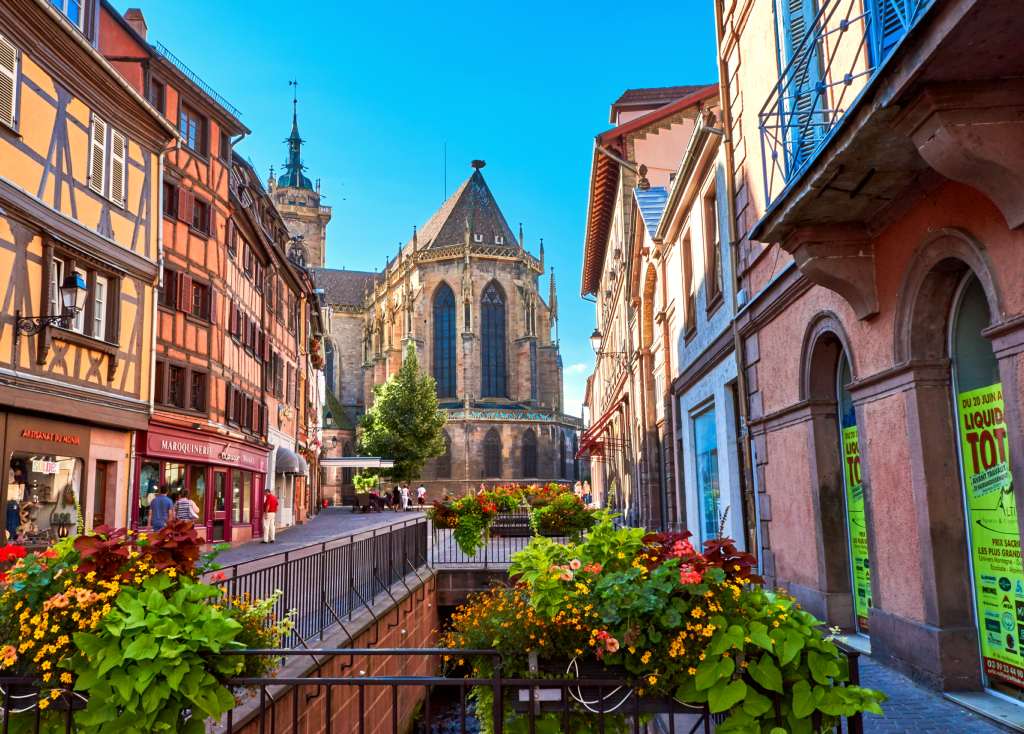
Colmar is a charming city in the Alsace region, known for its well-preserved old town. Visitors can wander through cobblestone streets lined with colorful half-timbered houses, many dating back to the 1300s.

The city has a unique blend of French and German influences, evident in its architecture and cuisine. Strolling along the canals, you might spot locals enjoying a glass of Alsatian wine or savoring a slice of kugelhopf, a local cake.

Sightseeing

Maison des Tetes: A Renaissance building adorned with intricate faces.
Maison Pfister: One of the oldest wooden houses in Colmar.
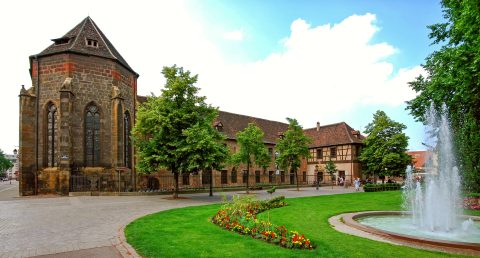
Dominican Church: Home to a famous Schongauer painting, entrance fee €2.
St. Martin Church: A striking cathedral worth visiting for its architecture.
Little Venice: A picturesque area with canals and charming bridges.
Unterlinden Museum: Features art from the Middle Ages to contemporary works.
Koïfhus: The old customs house, showcasing local history.
Place de l'Ancienne Douane: A lively square surrounded by cafes and shops.

"Experience the charm of Alsace"Colmar

Things to do

Explore the old streets: Take your time to appreciate the architecture and shops.
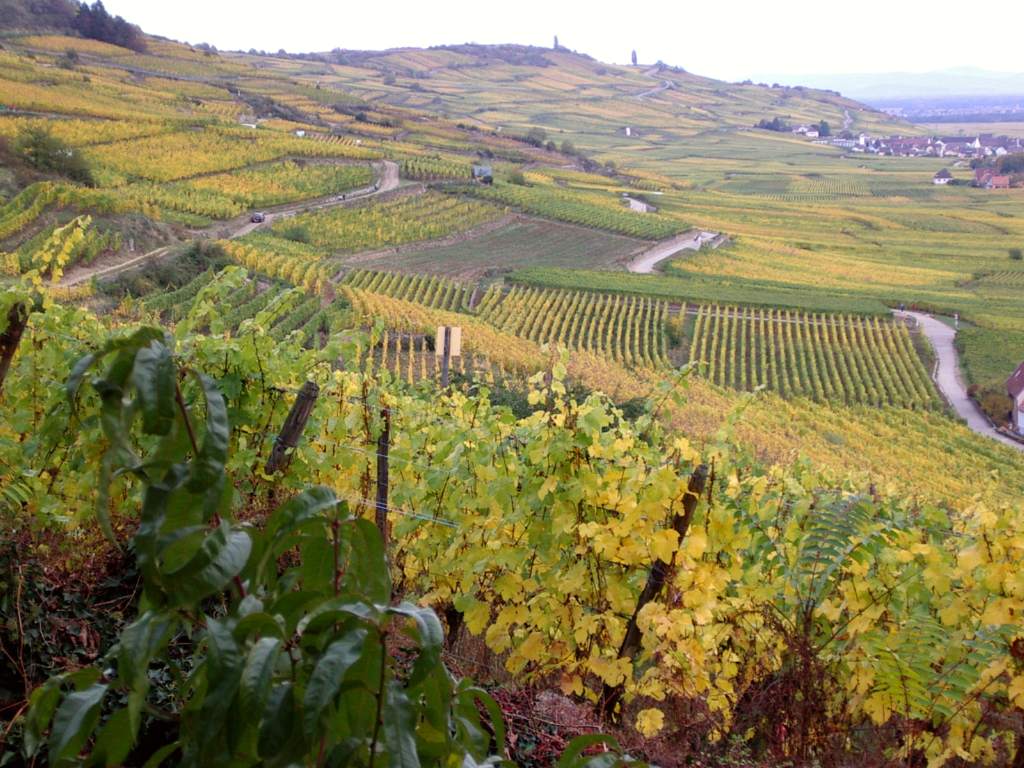
Visit local wineries: Sample Alsatian wines along the Routes des Vines.
Enjoy seasonal festivals: Experience the Christmas market or summer events.
Take a boat tour: See the city from the water for a different perspective.
Local food and drinks - Colmar

Local food and drinks

Kugelhopf: A local cake with raisins and powdered sugar.
Tarte flambée: A thin crust topped with cream, onions, and bacon.
Alsatian wine: Sample varieties like Gewürztraminer and Riesling.
Macarons: Try these delicate pastries from local sweet shops.
Apple cider: Enjoy this slightly alcoholic drink in creperies.
Local traditions - Colmar

Local traditions

Christmas market: A festive event with local crafts and food.
Easter lamb cakes: Traditional cakes shaped like lambs, served with powdered sugar.
Wine festivals: Celebrate the harvest with tastings and local music.
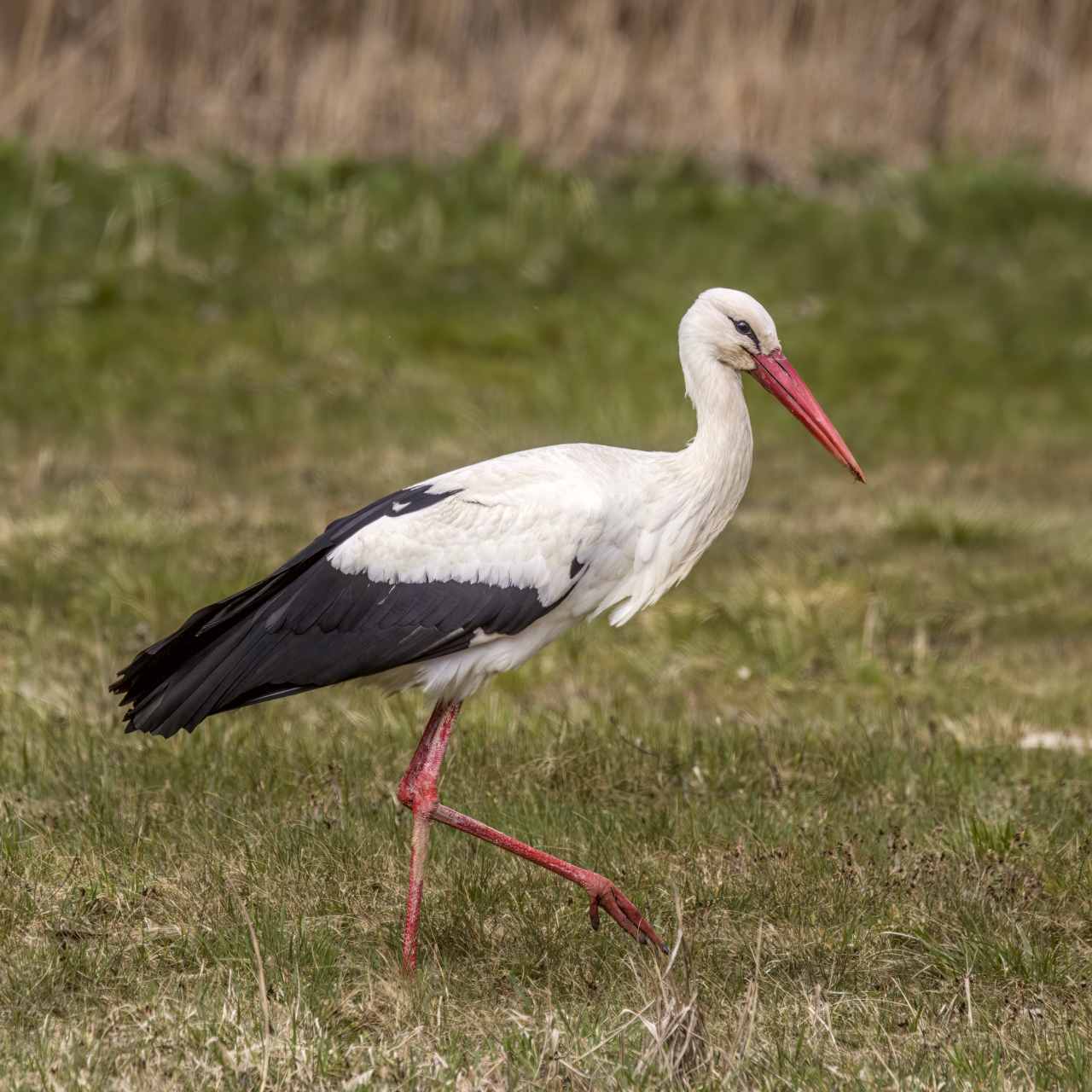
Stork motifs: Common in local crafts, symbolizing the region.

History

Colmar's history is marked by its changing nationalities, shifting between France and Germany. It became part of France after World War I, but was reclaimed by Germany during World War II. The city was liberated on February 2, 1945, making it the last town in France to be freed.

The cultural landscape reflects this history, with German influence still present in the language and architecture. The city underwent a Frenchification process post-war, yet many residents still speak German, showcasing the blend of cultures that define Colmar today.

Things to know

Be cautious of tourist traps in the old town, especially near major sights.
Public transport can be limited; walking is often the best way to explore.
Some shops may close early, especially on Sundays.
Watch for cyclists; bike paths are common and can be busy.

Do's and don'ts

Wander the canals: Enjoy the scenic views and photo opportunities.
Sample local wines: Visit wineries for tastings and tours.
Attend a festival: Join in the local celebrations for a true experience.
Try Alsatian cuisine: Don't miss out on regional dishes.
Don't rush through the old town: Take your time to explore.
Don't ignore the local wines: They are a highlight of the region.
Don't miss the smaller shops: They often have unique offerings.
Don't forget to check opening hours: Some attractions may vary.

Good to know

Accessibility: Many areas are walkable, but some streets are cobbled.
Price level: mid-range

Photo: Wikipedia / Wikimedia Commons