search
search
add New trip
Mulhouse
DestinationsFranceGrand Est

Mulhouse

Population: 110.000 Since: Founded around 800 AD Price: Mid-range

Introduction

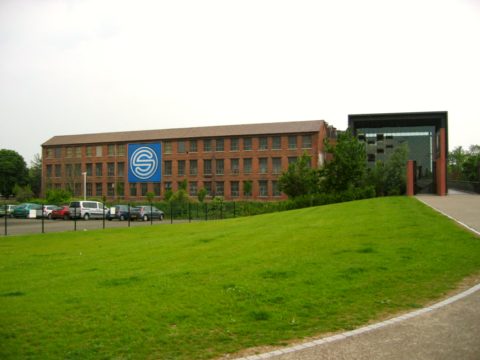
Mulhouse is a city with a rich industrial past, often compared to Manchester in England. Once a thriving hub, it has seen both prosperity and decline, but recent years have brought a sense of renewal and hope.

Visitors can explore its historical roots through architecture and museums. The blend of cultures is evident in the local cuisine and community events, making it a unique stop in the Alsace region.

Sightseeing

Place de la Réunion: the main square featuring the Protestant Church of St. Etienne and the old town hall
Cité de l'Automobile: one of the largest auto museums in Europe, showcasing a vast collection of cars
Musée du papier peint: dedicated to the art of wallpaper manufacturing
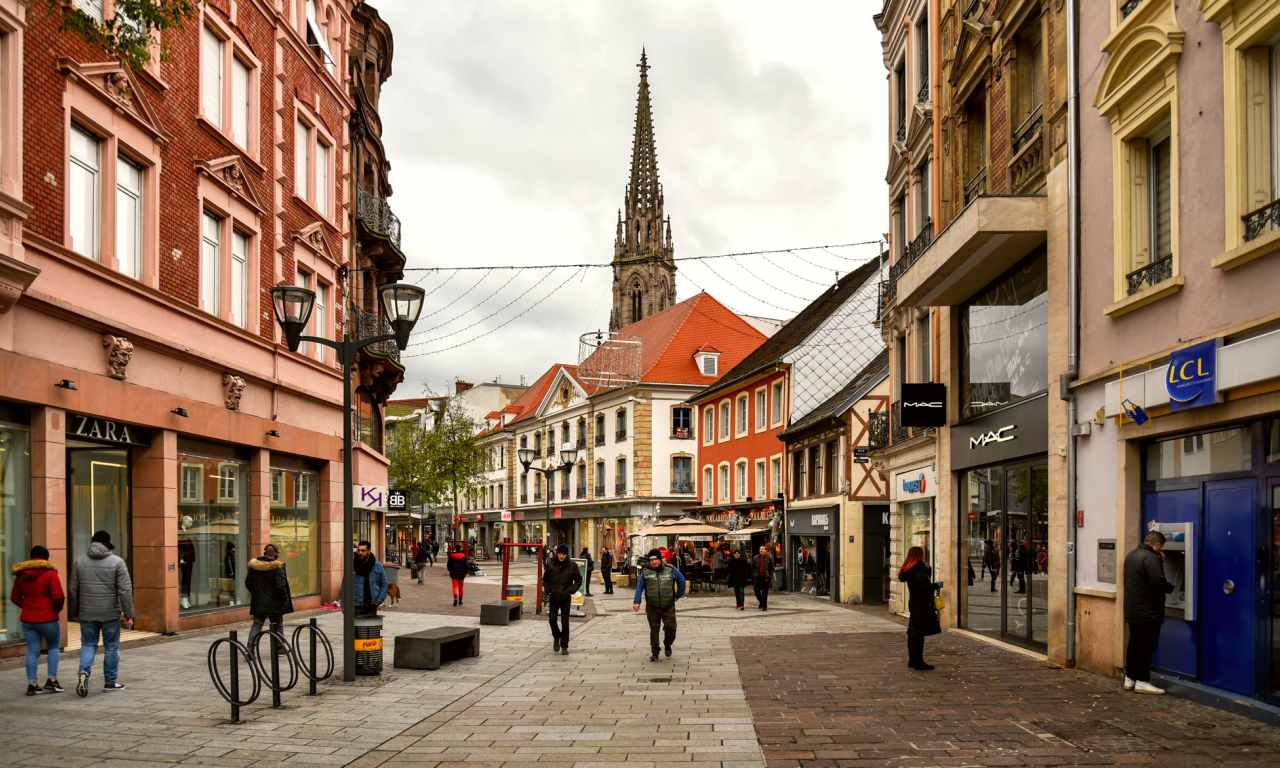
Old Town: pedestrian-friendly area with historical buildings and local shops

"Experience the industrial heart of Alsace"Mulhouse

Things to do

Visit the Cité de l'Automobile for a glimpse of automotive history
Explore the Musée du papier peint to learn about wallpaper art
Stroll through the Old Town to appreciate its architecture
Relax in Parc Salvator, a green space perfect for picnics
Local food and drinks - Mulhouse

Local food and drinks

Le schtorky: offers a dish of the day for €9.50
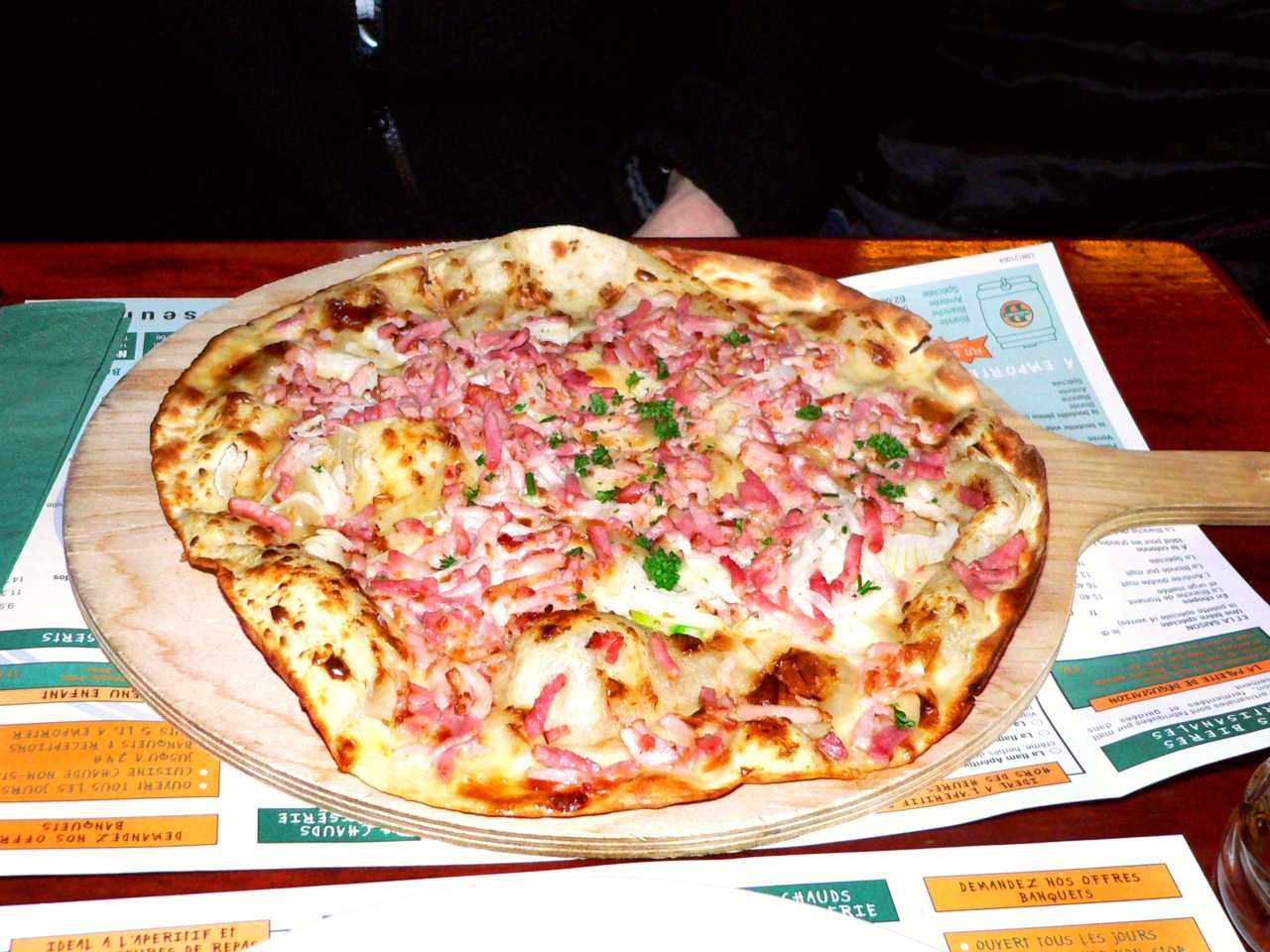
Zum Sauwadala: traditional Alsatian restaurant with large portions
O’Queens: casual dining with a varied menu
Friterie Mondiale: popular spot for fries and snacks
Çigköftem Vegan: vegan options available for health-conscious diners
Local traditions - Mulhouse

Local traditions

Fête de la Musique: a music festival held annually in June
Christmas Market: a festive event showcasing local crafts and food
Carnaval de Mulhouse: a lively celebration with parades and costumes

History

Mulhouse's history is deeply tied to its industrial roots, particularly in textiles and automobiles. The city flourished in the 19th century, becoming a key player in France's industrial landscape.

However, the decline of heavy industry in the late 20th century led to economic challenges. In recent years, efforts to revitalize the city have begun to bear fruit, with new businesses and cultural initiatives emerging.

Things to know

Public transport can be limited outside peak hours
Some areas may feel less safe at night, so stay alert
Tram tickets are affordable but check for validity
Expect a mix of languages; French is predominant but some locals speak German

Do's and don'ts

Try local Alsatian dishes at Zum Sauwadala
Visit the Cité de l'Automobile for car enthusiasts
Take a walk in the Old Town to soak in the atmosphere
Explore local markets for fresh produce and crafts
Don't ignore the local tram schedules, especially at night
Don't miss the chance to try traditional Alsatian food
Don't assume everyone speaks English; a few French phrases help
Don't rush through the museums; they have rich histories

Good to know

Accessibility: The city has some accessible areas, but check specific locations.
Price level: mid-range

Photo: Wikipedia / Wikimedia Commons