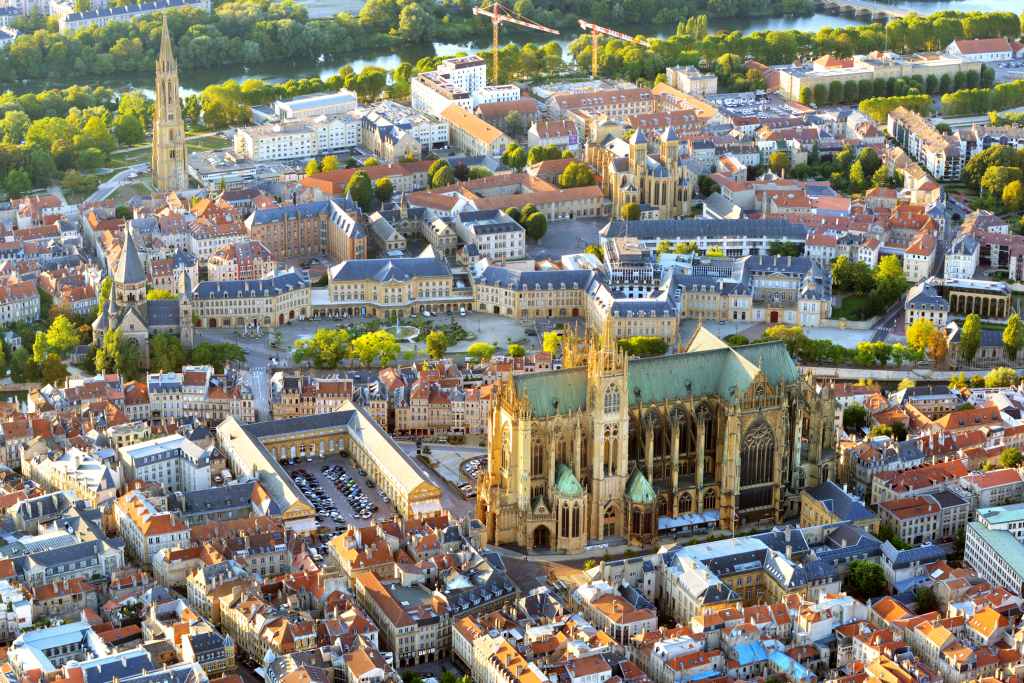
Metz
Metz is a city where history and modern life intersect. The architecture reflects its rich past, with influences from both French and German styles. Walking through the streets, you can see remnants of its military history alongside contemporary shops and cafes.
Read more
The Moselle River adds to the charm, offering scenic views and pleasant walks. Visitors often find the atmosphere relaxed, with plenty of green spaces and cultural spots to explore. However, some areas may feel less polished than in other French cities, which can be a mixed experience for travelers.
Highlights
Centre Pompidou-Metz
A modern art museum with engaging exhibits
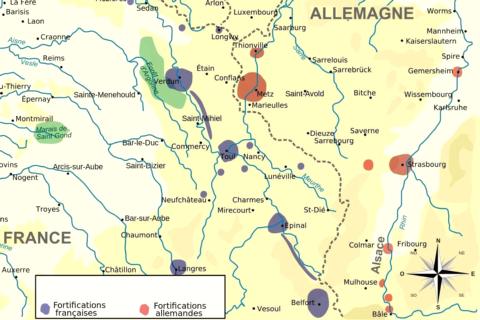
Fortifications of Metz
Explore the city's military history
Metz Aquarium
Home to various aquatic species
Parc de la Seille
A large park ideal for family outings
Sightseeing
Things to do
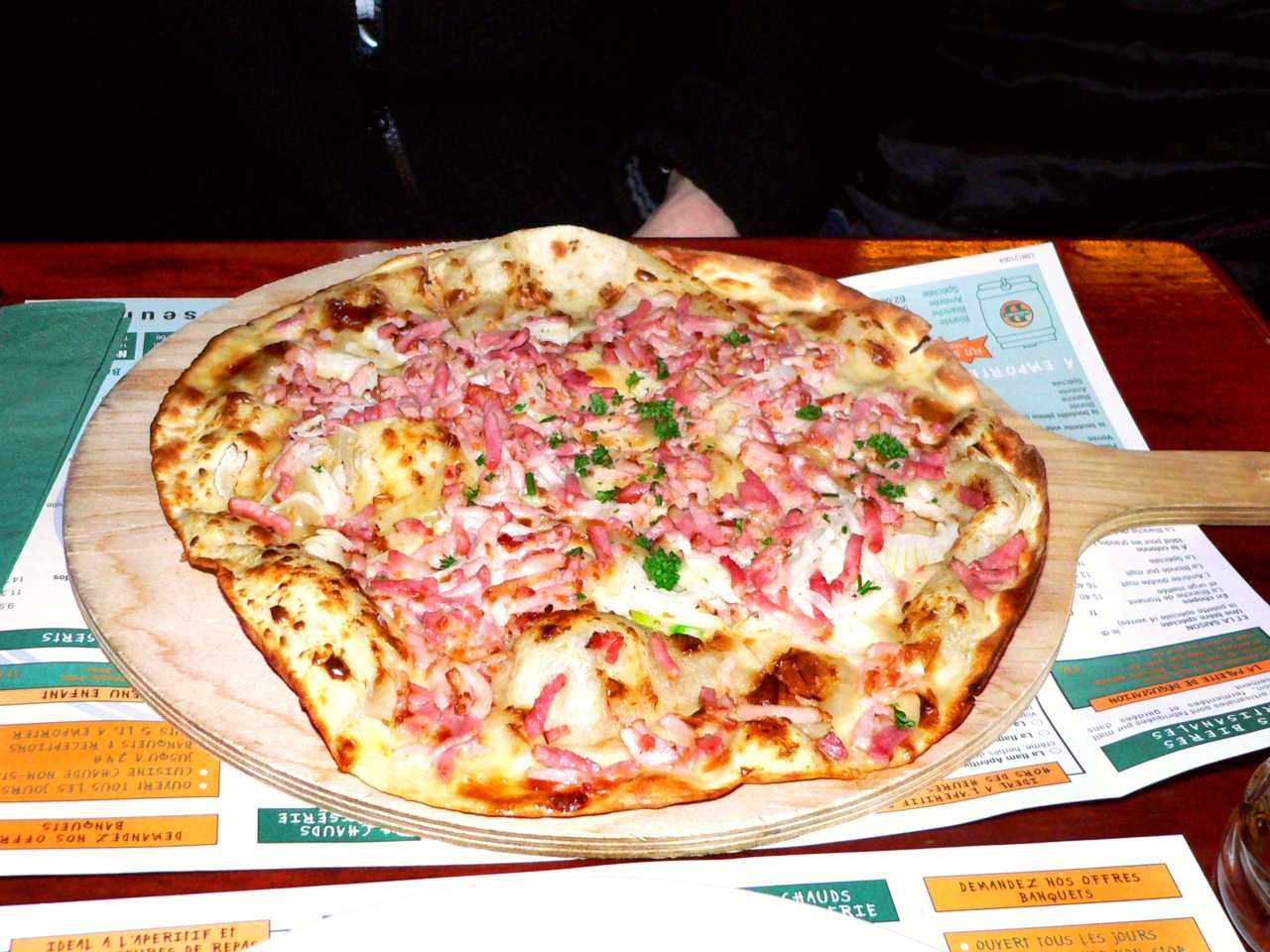
Local food and drinks
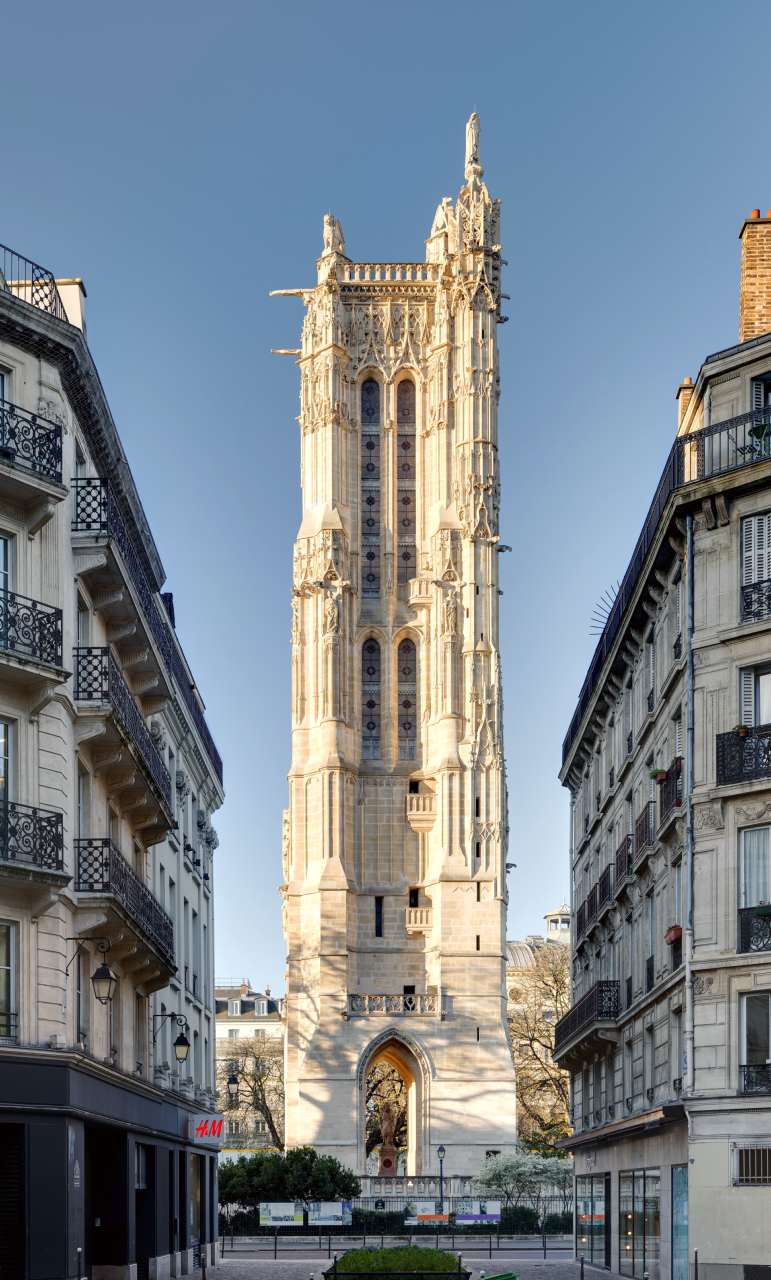
Local traditions
Do's and don'ts
Practical
At a glance
- Founded
- 500 BC
- Population
- 116.000
- Accessibility
- Most areas are accessible, but some historic sites have stairs.
- Price level
- Mid-range
Things to know
History
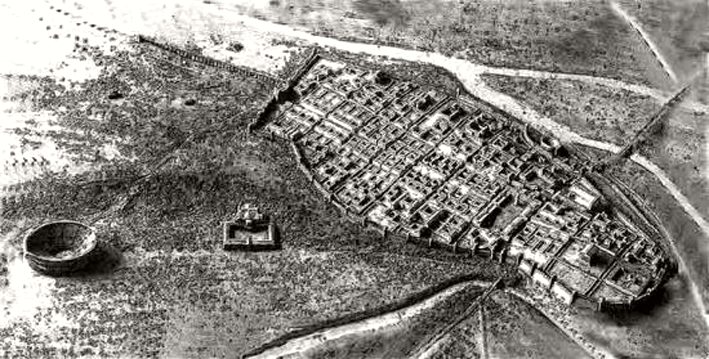
Metz has been inhabited since ancient times, with the Celtic tribe Mediomatrici being the first known settlers. The city's strategic location at the confluence of the Seille and Moselle rivers made it a desirable place for defense and trade. Over centuries, Metz changed hands between various powers, reflecting its importance in European history.
In the 19th century, Metz became part of Germany after the Franco-Prussian War, which influenced its architecture and culture. The city returned to France after World War I, but remnants of its German heritage remain visible today. This complex history shapes Metz's identity and offers a unique perspective on European conflicts.
Photo: Wikipedia / Wikimedia Commons