Rhineland-Palatinate
 Apr–Jun, Sep–Octbest time
7 daysplan for
Yeswith kids
Apr–Jun, Sep–Octbest time
7 daysplan for
Yeswith kids
Rhineland-Palatinate offers a blend of picturesque landscapes and rich history. The region is known for its vineyards along the Rhine River, medieval castles, and charming towns like Heidelberg and Mainz.
Read more
Travelers can explore the scenic Moselle Valley, famous for its wine production, or visit the historic city of Trier, home to Roman ruins. Outdoor enthusiasts can hike in the Eifel National Park or enjoy cycling along the Rhine and Moselle rivers.
Cities
Sightseeing
Local food and drinks
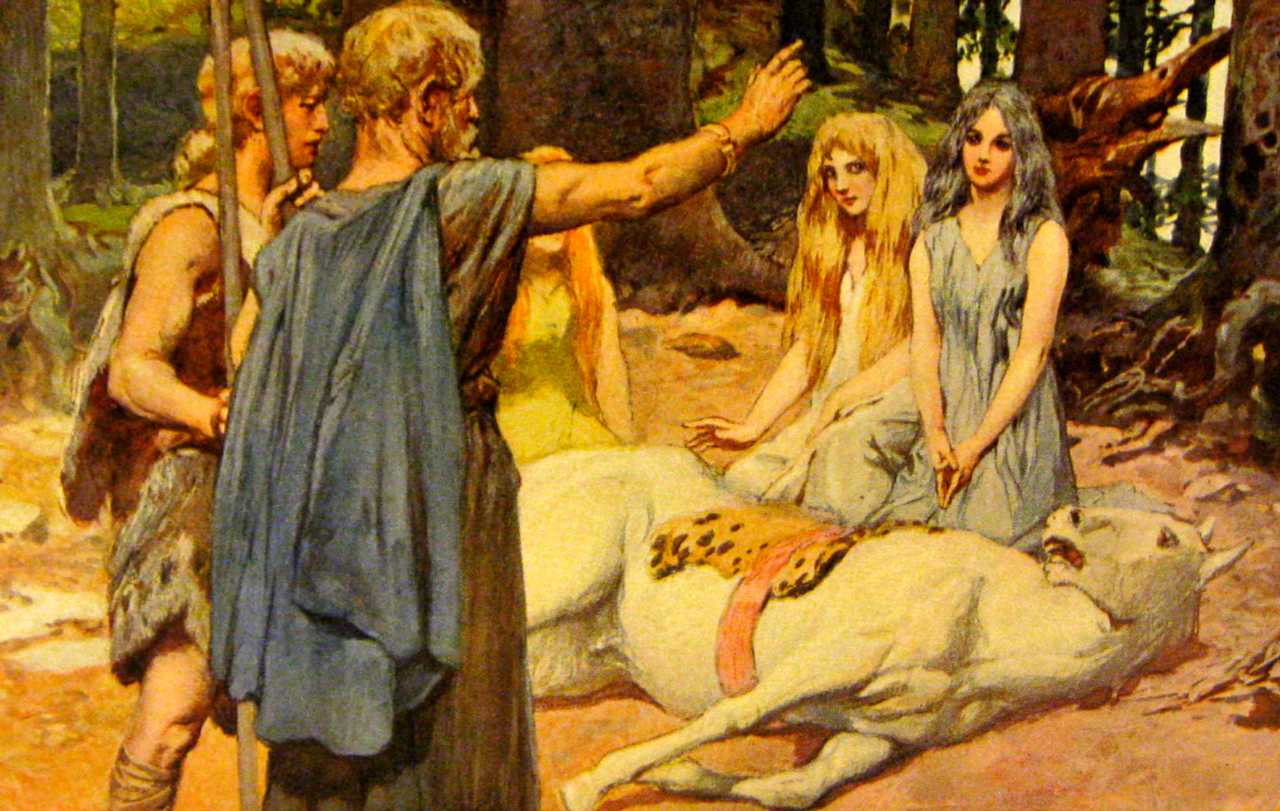 Emil Doepler · Public domain
Local traditions
Practical
At a glance
- Best time
- Spring and autumn for festivals and wine
History
Rhineland-Palatinate has a rich history that dates back to Roman times, with Trier being a significant center of Roman culture. The region has seen various influences, including Frankish and Napoleonic rule, shaping its cultural landscape.
After World War II, Rhineland-Palatinate became a state in the Federal Republic of Germany. It has since developed a strong identity, particularly through its wine production and historical sites, attracting visitors interested in both culture and nature.