search
search
add New trip
Thuringia

Thuringia

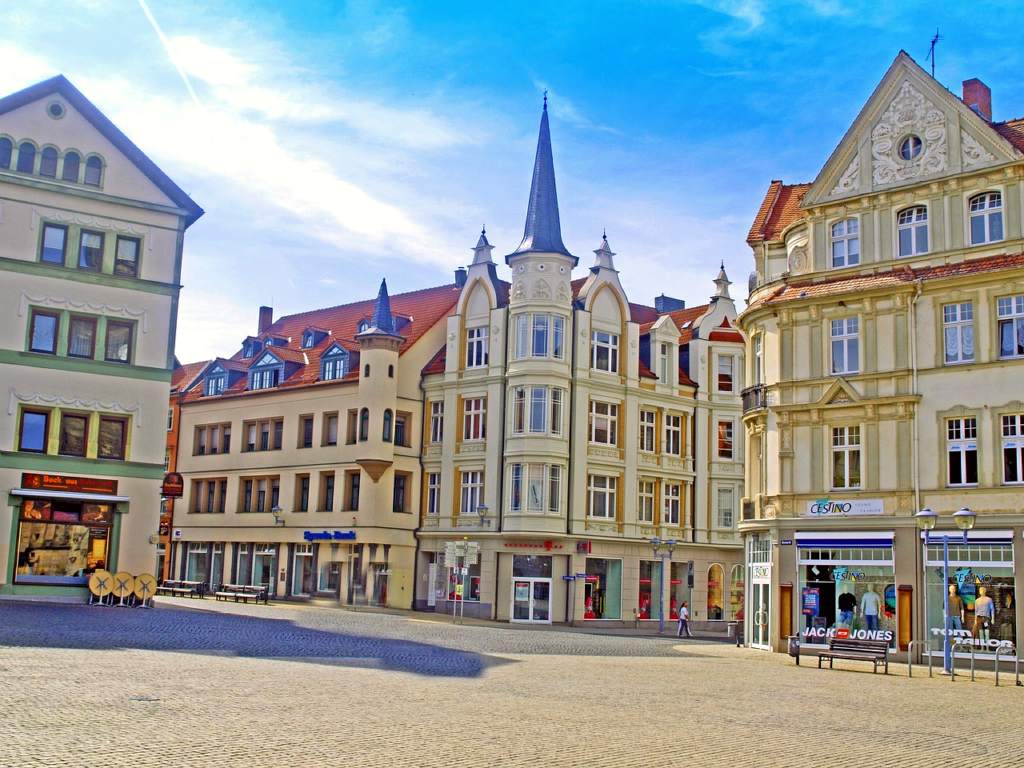
marcohof81 · Pixabay
DE calendar_monthMay–Jun, Sep–Octbest time schedule7 daysplan for child_careYeswith kids
ThuringiaYour own route Plan a trip here →

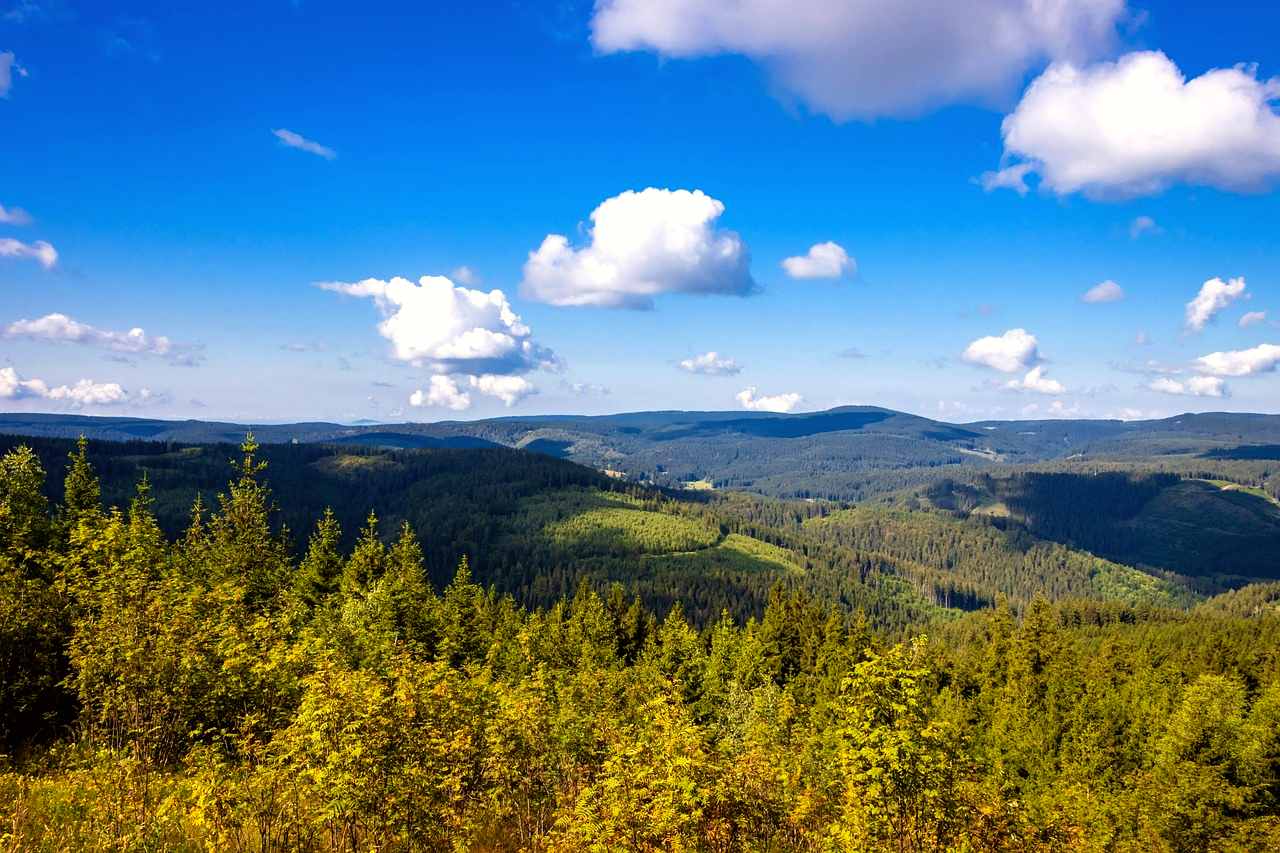
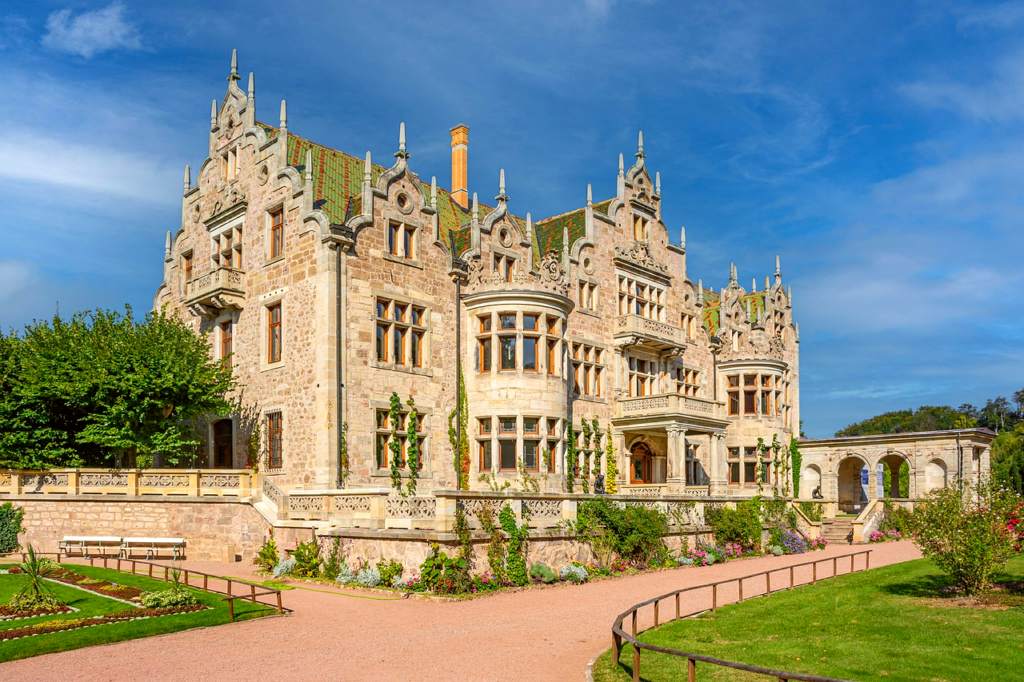
Thuringia, located in central Germany, offers a mix of historical sites and natural beauty. The region is known for its medieval towns, castles, and the Thuringian Forest, perfect for hiking and outdoor activities.

Read more

Visitors can explore the rich cultural heritage, including the legacy of famous figures like Goethe and Schiller. The local cuisine features hearty dishes, making it a great destination for food lovers.

In pictures

Thuringia Katerwursty · Pixabay
Thuringia Laura Kuhn · Pixabay
Thuringia jggrz · Pixabay
Thuringia markus11 · Pixabay

Sightseeing

Weimar: home to the Bauhaus movement and the works of Goethe and Schiller.
Erfurt: known for its well-preserved medieval architecture, including the impressive Erfurt Cathedral.
Eisenach: site of Wartburg Castle, a UNESCO World Heritage site, where Martin Luther translated the New Testament.
Jena: a university town with a lively cultural scene, especially during the annual Jenaer Kulturfest in September.
Gera: features beautiful parks like the Hofwiesenpark and historic buildings such as the Gera City Museum.
Nordhausen: famous for its distilleries, particularly the Nordhäuser Traditionsbrennerei, and the historic old town.
Suhl: offers outdoor activities in the Thuringian Forest and has a military history museum.
Bad Salzungen: known for its spa facilities, particularly the saline springs, and the nearby salt mines, which offer guided tours.

"Explore the heart of Germany"Thuringia

Local food and drinks

Thuringian Sausage: a regional specialty, often grilled
Dampfnudeln: steamed dumplings served with vanilla sauce
Käsekuchen: a rich cheese cake, popular in local cafes
Thuringian Potato Salad: served warm with a tangy dressing
Schwarzbier: a dark beer brewed in the region
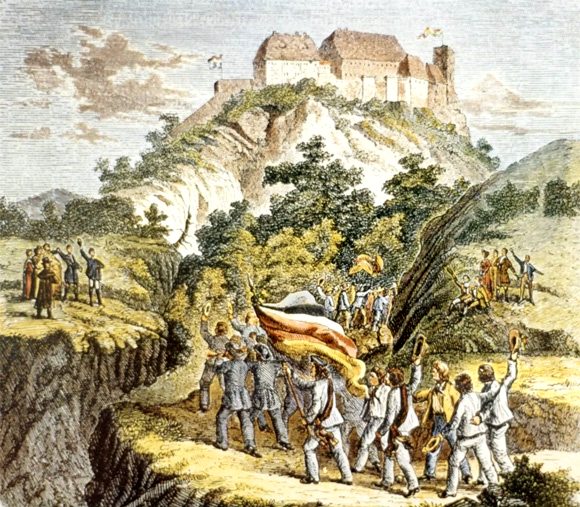
Local traditions - Thuringia Wikimedia Commons · Public domain

Local traditions

Thuringian Christmas Markets: festive markets held in December
Wartburg Festival: a celebration of German culture and history
Thuringian Forest Festival: showcases local crafts and traditions
Erfurt's Krämerbrücke Festival: highlights the historic merchant bridge

Explore Thuringia's medieval charm

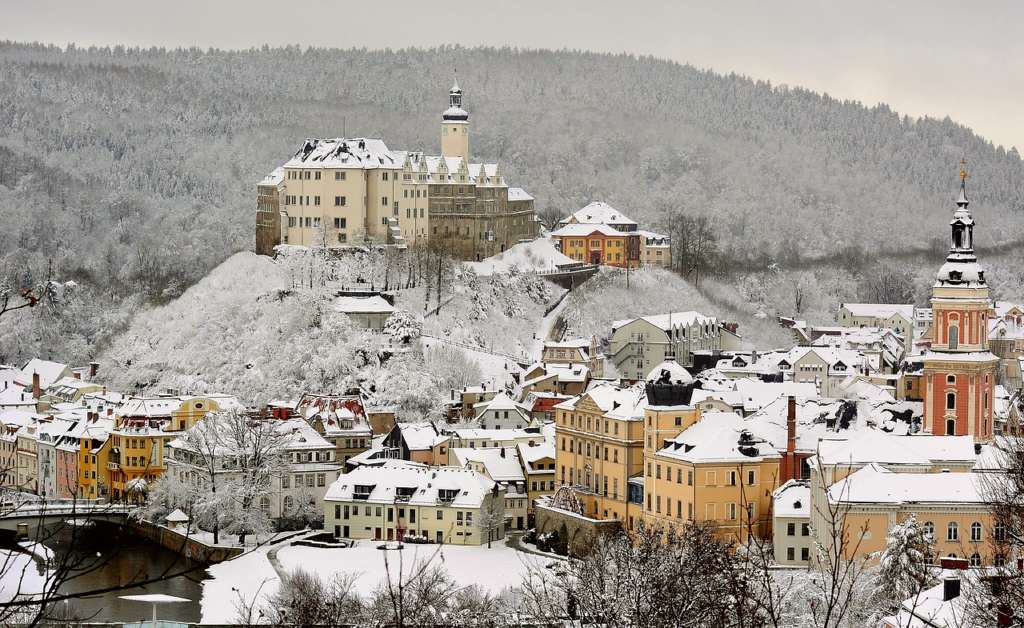
Thuringia is home to many medieval towns, each with its own character. Erfurt, the state capital, features the impressive Krämerbrücke, a bridge lined with shops. Weimar, known for its cultural significance, showcases the Bauhaus architecture and the Goethe National Museum. These towns are not just about history; they also offer cozy cafes where you can enjoy local pastries. However, be prepared for crowds during peak tourist seasons, especially in summer. Visiting in spring or fall can provide a more relaxed experience.

Taste the heart of Thuringia

Thuringia's cuisine is hearty and comforting, with dishes like Thüringer Bratwurst and Sauerbraten taking center stage. You can find these at local markets or traditional restaurants. The region is also known for its potato dishes, which are a staple in many households. While the food is delicious, some places can be quite busy during lunch hours, so consider dining early or late. Don't forget to try a slice of the famous Thuringian cake, a sweet treat that pairs well with coffee.

Nature's playground in Thuringia

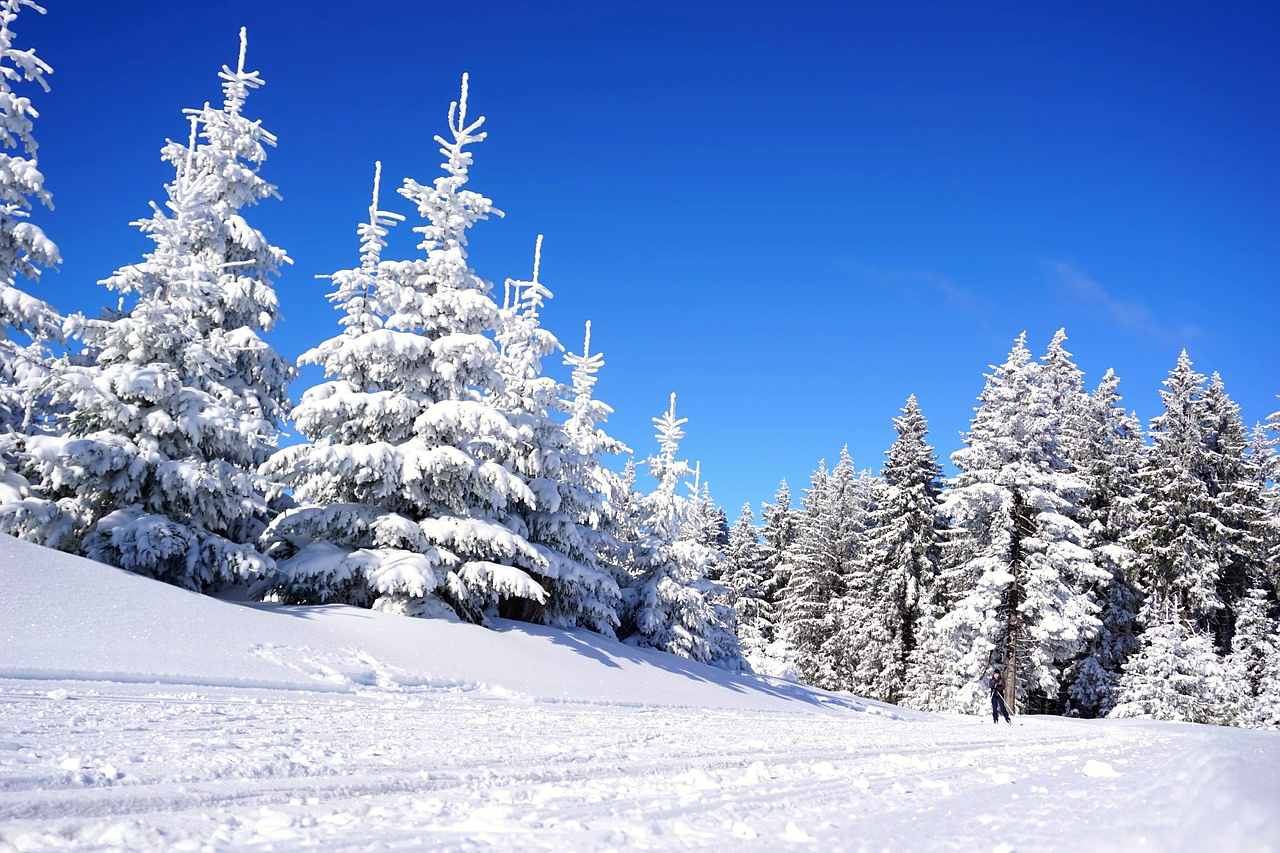
The Thuringian Forest offers a variety of outdoor activities, from hiking to cycling. Trails like the Rennsteig lead you through beautiful landscapes and dense forests. In winter, the area transforms into a skiing destination. However, be aware that some trails can be challenging, so it's wise to check your route beforehand. The best time to visit for outdoor activities is late spring or early fall when the weather is mild and the scenery is particularly inviting.

Practical

At a glance

Best time
Spring and autumn
history_eduHistoryexpand_more

Thuringia has a rich history that dates back to the early Middle Ages. It was once a center of power for various Germanic tribes and later became part of the Holy Roman Empire. The region played a significant role in the Reformation, with Martin Luther's connections to the Wartburg Castle.

In the 19th century, Thuringia became known for its cultural contributions, particularly in literature and philosophy. The establishment of the Weimar Republic in 1919 further marked its importance in German history. Today, the region reflects a blend of its historical roots and modern influences.

Photo: marcohof81 · Pixabay Content License · Pixabay

Photo credits (5)