search
search
add New trip

Trier

calendar_monthApr–May, Sep–Octbest time schedule2 daysplan for directions_car2 h 04from Cologne child_careYeswith kids confirmation_numberMid-rangeprice
TrierYour own route Plan a trip here →

Trier is a city where history feels alive. The remnants of Roman architecture, like the Porta Nigra, dominate the landscape, reminding visitors of its ancient past. Strolling through the streets, you can sense the blend of old and new, with cafes and shops lining the cobblestone paths.

Read more

The city is compact, making it easy to explore on foot. You will find a mix of local culture and historical significance, from the bustling market squares to quiet corners where you can enjoy a glass of local wine. The atmosphere is welcoming, with a sense of community among residents and visitors alike.

Sightseeing

Porta Nigra: The largest Roman city gate north of the Alps, built between 186 and 200 AD
Basilica of Constantine: A Roman palace basilica from the early 4th century
Trier Cathedral: A blend of Romanesque and Gothic architecture, home to significant relics
Roman amphitheater: Once hosted 20,000 spectators, now a site for events
Barbara Baths: Impressive ruins of ancient Roman baths
Roman Bridge: An ancient structure with pillars dating back to the 2nd century AD
Trier Imperial Baths: Another example of Roman bathing culture
Forum Baths: Remains of a large Roman bathing complex

"History and wine in every corner"Trier

Things to do

Walk the Weinkulturpfad: A scenic trail through vineyards with informative spots
Visit the Karl Marx House: Explore the birthplace of the philosopher
Attend a local wine festival: Experience the region's wine culture in autumn
Explore the Moselle River: Enjoy a boat tour or riverside walk

Local food and drinks

Astarix: Affordable meals including pizza and salads on Karl-Marx-Straße
New Mintons: Known for schnitzel nights on Tuesdays, located on Jakobstraße
Cubiculum: A cozy spot for local dishes and drinks
Try Viez: A local apple wine, often mixed with soda or mineral water
Enjoy Riesling: Sample wines from the nearby vineyards at local wine bars
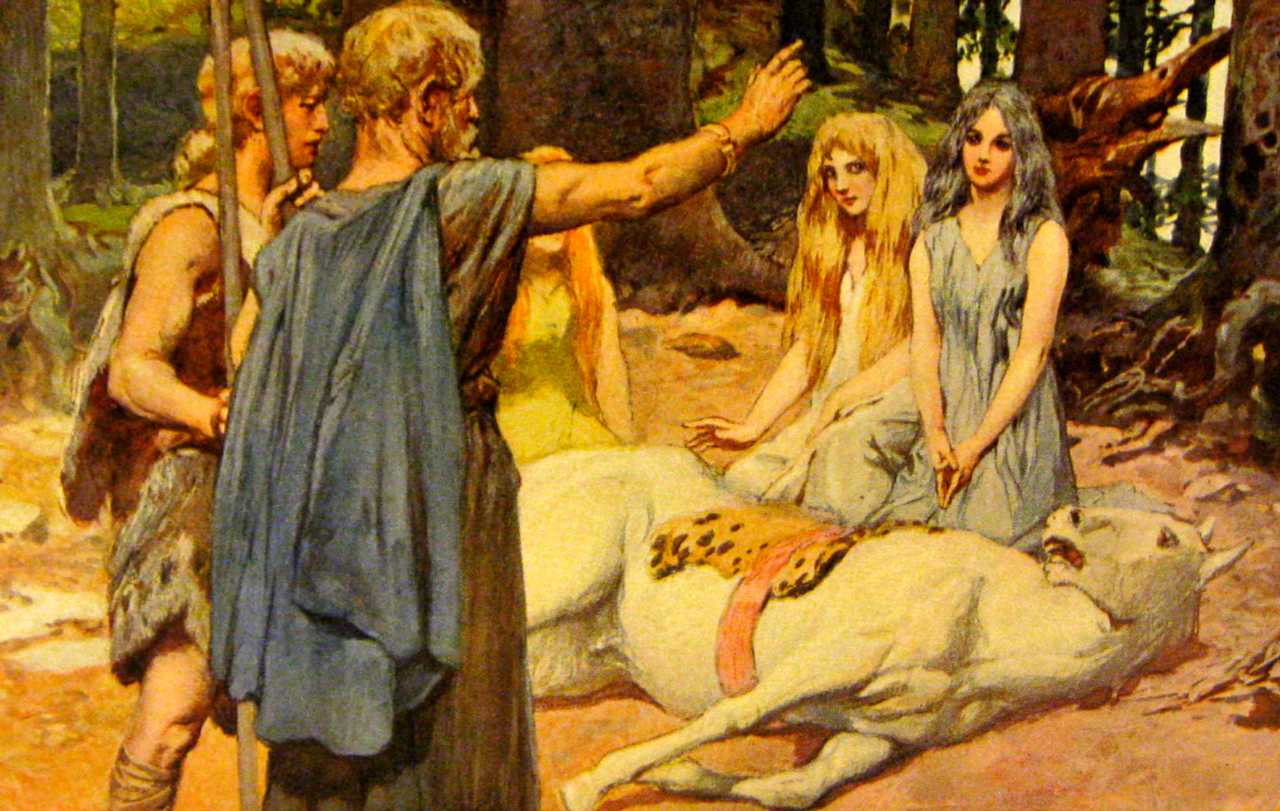
Local traditions - Trier Emil Doepler · Public domain

Local traditions

Trier Wine Festival: Celebrated in late summer, showcasing local wines
Christmas Market: A festive gathering in the city center during December
Karl Marx Day: Events honoring the philosopher's legacy, typically in May
Local Carnival: Colorful parades and celebrations in the lead-up to Lent

Do's and don'ts

Explore the Roman ruins on foot
Sample local wines at a vineyard
Visit the markets for fresh produce
Take photos of the Porta Nigra at sunset
Don't rush through the city; take your time to explore
Don't miss the smaller side streets for local charm
Don't expect extensive public transport options
Don't overlook the local cuisine; try the regional dishes

Practical

At a glance

Founded
16 BC
Population
110.000
Accessibility
The city has some accessible paths but be prepared for cobblestones.
Price level
Mid-range

Things to know

Be cautious of tourist traps near major sights, especially restaurants
Public transport is limited; walking is often the best option
Some attractions may have limited opening hours, especially in winter
Watch for cobblestones; they can be uneven and tricky to navigate
history_eduHistoryexpand_more

Trier's origins trace back to the Romans, who established it as Augusta Treverorum around 16 BC. It became a significant city in the Roman Empire, serving as a center of power during the 3rd century AD. The city's architecture reflects its Roman heritage, with structures like the Porta Nigra standing as testaments to its past.

In the 19th century, Trier faced challenges as it grappled with its identity, particularly as the birthplace of Karl Marx. Today, it balances its rich history with modern life, attracting visitors interested in both its ancient ruins and contemporary culture.