search
search
add New trip
Leipzig
Destinations › … › Germany › Saxony

Leipzig

calendar_monthApr–May, Sep–Octbest time schedule3 daysplan for child_careYeswith kids confirmation_numberMid-rangeprice
LeipzigYour own route Plan a trip here →

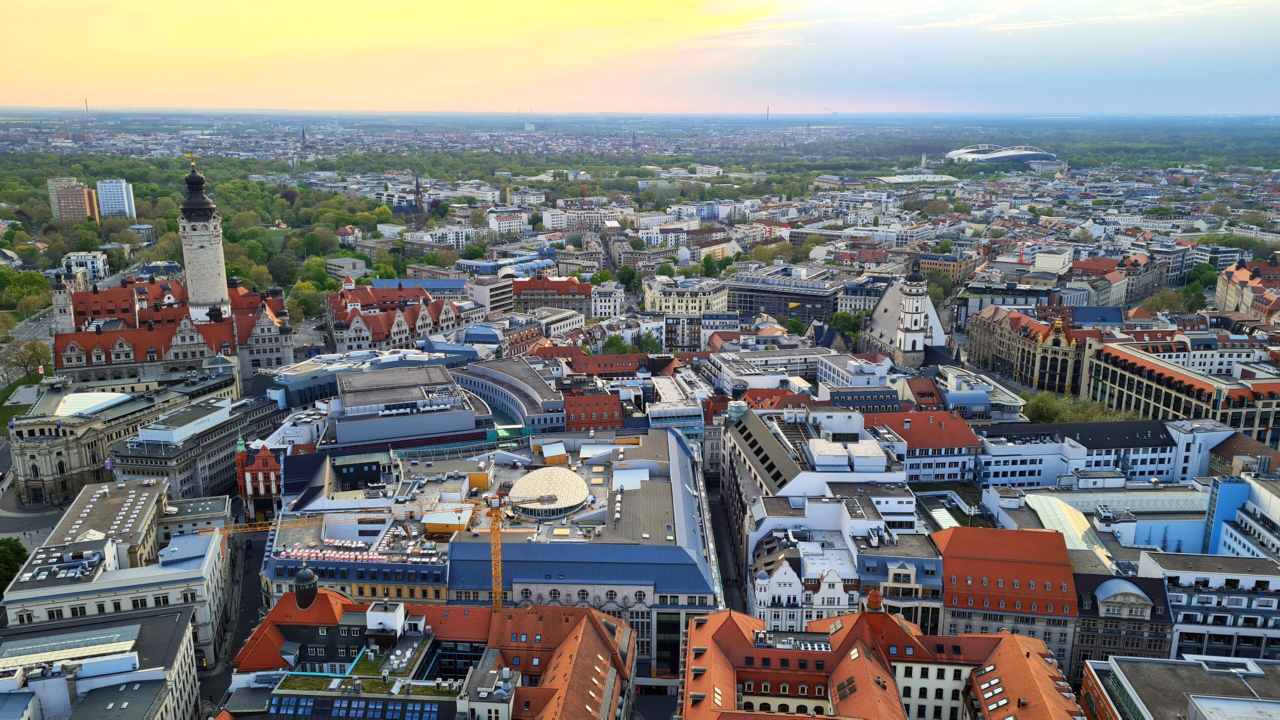
Leipzig is a city where history and modernity coexist. You can wander through its historic streets and discover a blend of old architecture and contemporary culture. The city has a lively arts scene, with galleries and music venues that reflect its rich heritage.

Read more

Visitors often appreciate the accessibility of its attractions, making it easy to explore on foot or by tram. The local atmosphere is welcoming, with plenty of cafes and shops to enjoy along the way. However, be prepared for some areas that can feel touristy, especially during peak seasons.

Sightseeing

Old Town Hall: A Renaissance building from 1556, now a museum.
St. Thomas Church: Famous for its association with Johann Sebastian Bach.
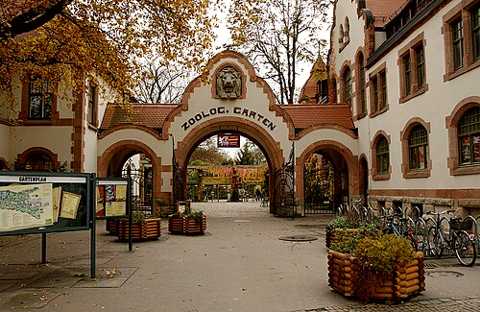
Leipzig Zoo: Home to a variety of species and a large aquarium.
Monument to the Battle of the Nations: A massive memorial commemorating the 1813 battle.
Museum of Fine Arts: Features a collection of European art from the Middle Ages to the present.
Grassi Museum: A complex housing applied arts, musical instruments, and ethnography.
Panometer Leipzig: A unique panoramic art installation in a former gas holder.
Auerbachs Keller: A historic restaurant known for its connection to Goethe's Faust.

"A city of culture and history"Leipzig

Things to do

Take a guided city tour: Learn about Leipzig's history and architecture.
Visit the Leipzig Messe: Explore one of the largest trade fairgrounds in Germany.
Attend a concert at Gewandhaus: Experience classical music in a renowned concert hall.
Explore the Spinnerei: A former cotton mill turned art space with galleries and studios.
Local food and drinks - Leipzig

Local food and drinks

Lerchen: A sweet pastry filled with marzipan, popular in local bakeries.
Quarkkeulchen: A dessert made from quark, often served in traditional restaurants.
Leipziger Allerlei: A vegetable medley that showcases local produce.
Reformationsbrötchen: A seasonal pastry available before Reformation Day in October.
Gose beer: A local specialty with a slightly sour flavor, available in select pubs.
Local traditions - Leipzig

Local traditions

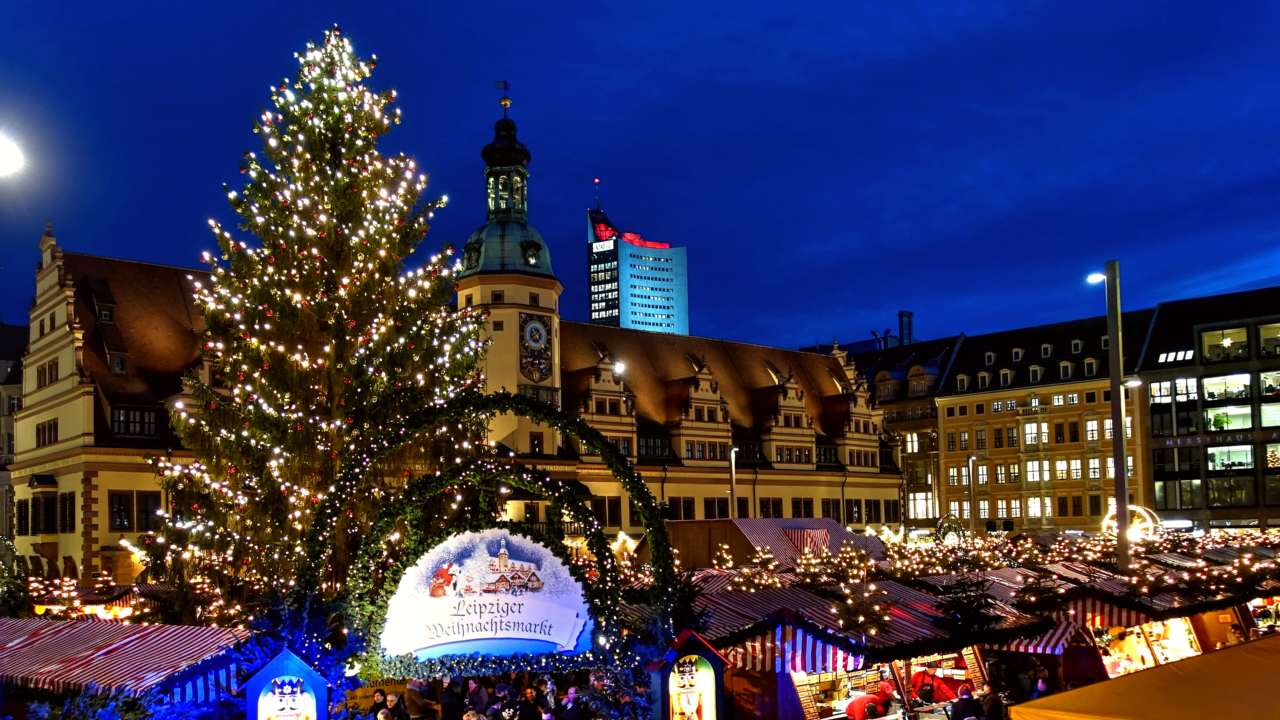
Leipzig Christmas Market: A festive market held annually, featuring crafts and food.
Wave-Gotik-Treffen: A large festival celebrating gothic culture and music.
Leipzig Book Fair: An annual event attracting publishers and readers from around the world.
Bach Festival: A celebration of the works of Johann Sebastian Bach, held each June.

Do's and don'ts

Explore the Old Town on foot to appreciate its architecture.
Try local pastries at bakeries throughout the city.
Attend a performance at the Gewandhaus for a taste of classical music.
Visit the local markets for fresh produce and handmade goods.
Don't miss out on trying Gose beer at a local pub.
Don't assume all restaurants accept credit cards; cash is often preferred.
Don't rush your visit; take time to enjoy the city's parks and cafes.
Don't ignore the smaller galleries and shops; they often have unique offerings.

Practical

At a glance

Founded
1015
Population
600.000
Accessibility
Many areas are wheelchair accessible, but check specific sites.
Price level
Mid-range

Things to know

Be cautious of tourist traps near major attractions, especially restaurants.
Public transport is efficient, but trams can get crowded during rush hours.
Some areas may have limited accessibility for those with mobility issues.
Check opening hours in advance, as they can vary seasonally.
history_eduHistoryexpand_more
History - Leipzig

Leipzig's roots trace back to its first documentation in 1015. It gained city privileges in 1165 and became a significant trade center due to its location at the intersection of two ancient trade routes. The city's architecture reflects its mercantile past, with many buildings constructed by wealthy merchants.

Over the centuries, Leipzig evolved into a cultural hub, particularly known for its contributions to music and literature. The city played a crucial role in the peaceful protests leading to the fall of the Berlin Wall in 1989, marking it as a pivotal point in German history.

Photo: Wikipedia / Wikimedia Commons