search
search
add New trip
Brescia

Brescia

Population: 195.000 Since: Founded around 1200 BC Price: Mid-range

Introduction

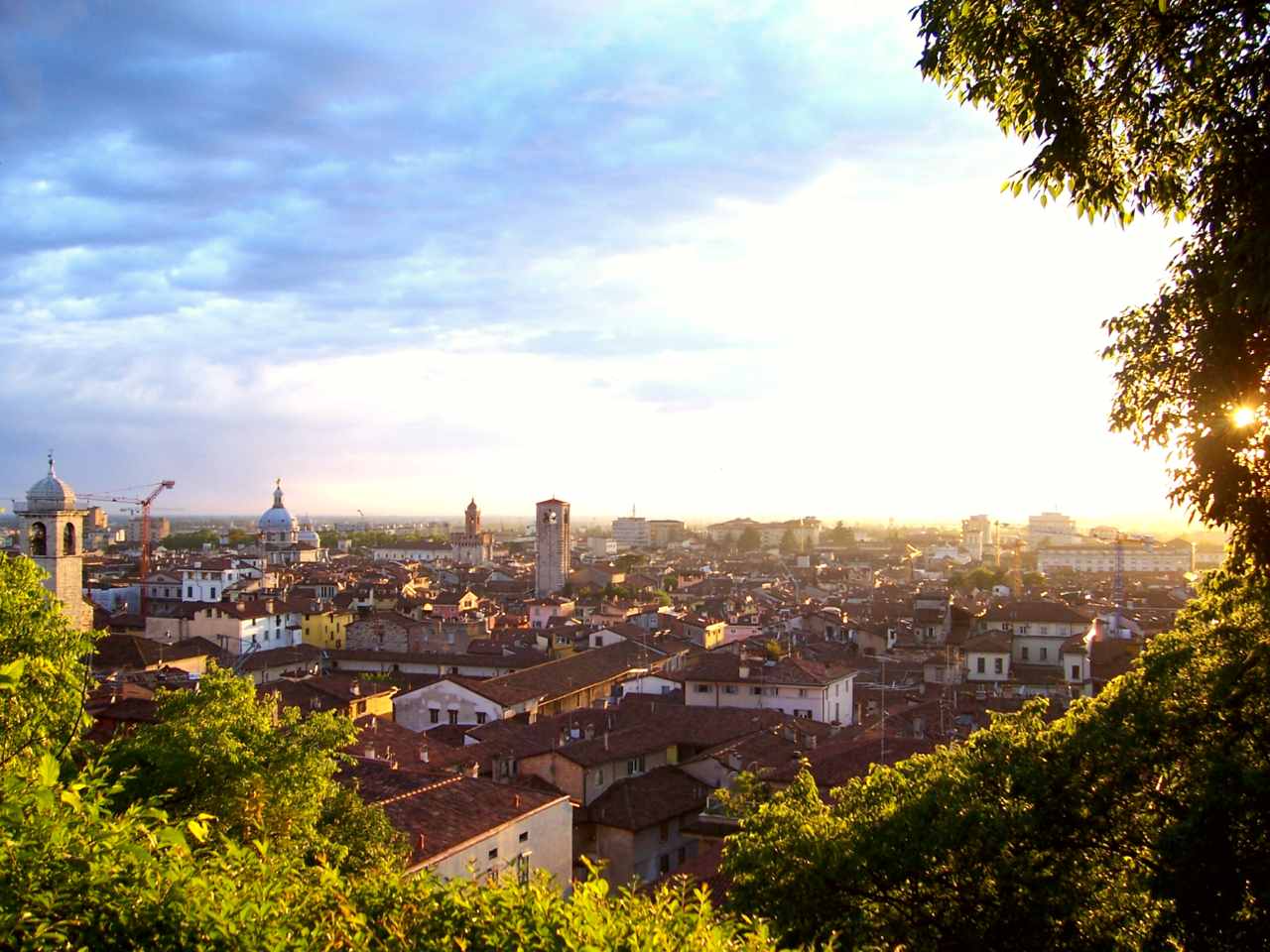
Brescia, located in Lombardy, offers a blend of historical significance and industrial heritage. Visitors can explore its medieval center, where local life thrives away from the typical tourist paths. The city is marked by its rich history, with remnants from various eras visible throughout its streets.

While Brescia may not have the same tourist draw as nearby cities, it has a unique charm. The industrial landscape coexists with beautiful architecture, making it an interesting stop for those willing to venture off the beaten path. The local cuisine reflects the region's agricultural roots, providing a taste of authentic Italian flavors.

Sightseeing

Monastero di Santa Giulia: A UNESCO World Heritage Site with a vast collection of art and archaeology
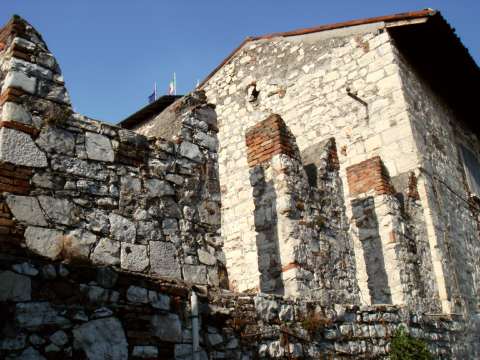
Castello di Brescia: A medieval fortress offering panoramic views of the city
Piazza della Loggia: A beautiful square surrounded by Renaissance architecture
Teatro Grande: An opera house and national monument since 1912
Pinacoteca Tosio Martinengo: An art gallery showcasing Italian masterpieces
Museo di Santa Giulia: A museum dedicated to the history of Brescia
Duomo Vecchio: The old cathedral with a unique circular design
Duomo Nuovo: The new cathedral featuring impressive baroque architecture

"Experience the heart of Lombardy"Brescia

Things to do

Wander through the medieval streets of the city center
Visit local markets on Saturdays at Via San Faustino
Explore the museums for a glimpse into the region's history
Enjoy a night out at local bars in Piazzale Arnaldo
Take a stroll around the Castello di Brescia for scenic views
Local food and drinks - Brescia

Local food and drinks

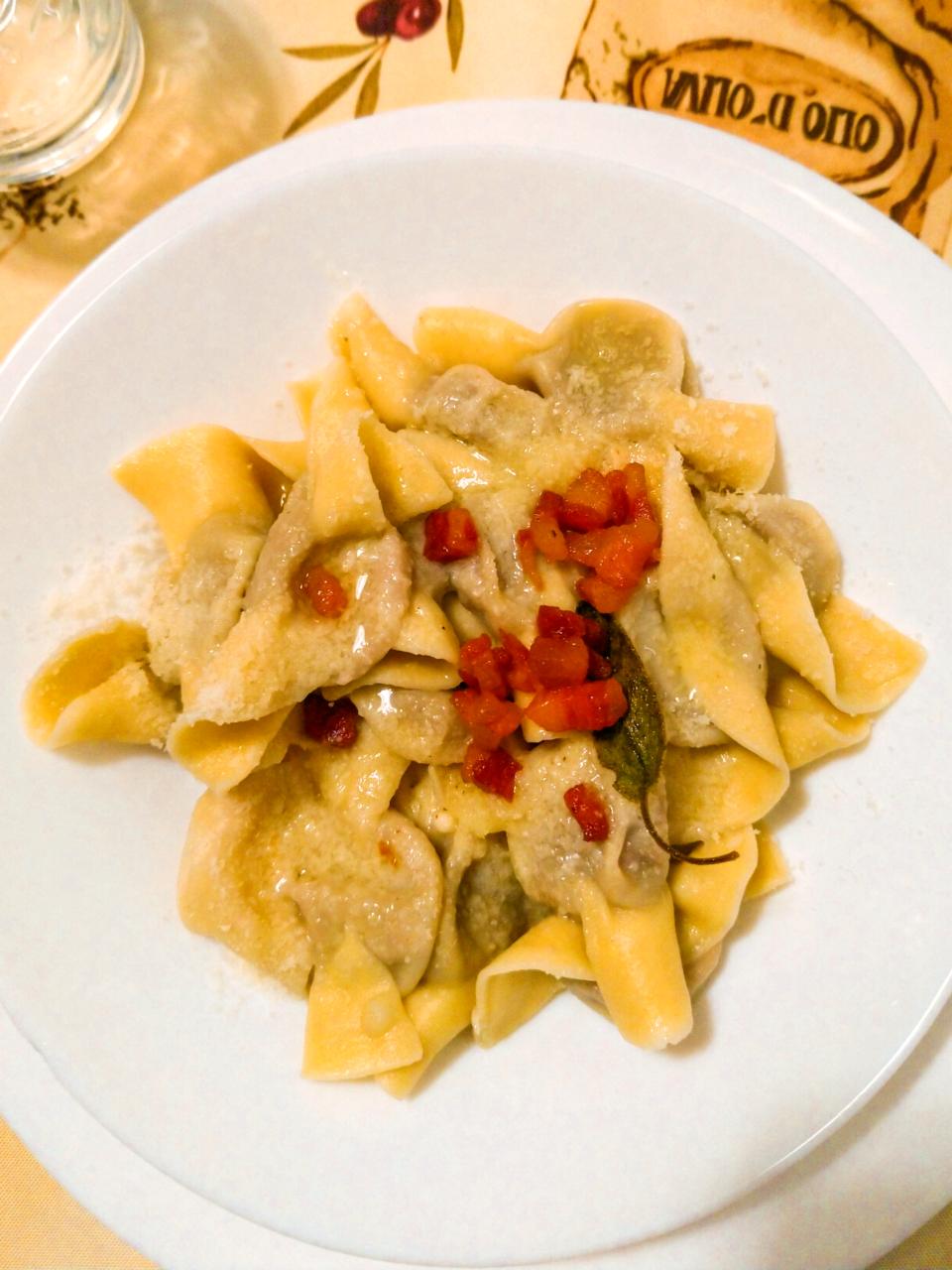
Casoncelli: Homemade tortellini with beef, served with butter and sage
Polenta: A winter dish made from durum wheat, often served with cheese
Spiedo: Roasted meats cooked for hours, a local winter specialty
Franciacorta wine: A renowned sparkling wine from the region
Viselli's: A popular local bar known for its lively atmosphere
Local traditions - Brescia

Local traditions

Festa di San Giovanni: Celebrated in June with local festivities
Sagra di Santa Giulia: A festival honoring the city's patron saint
Local markets: Held weekly, showcasing regional produce and crafts
Cultural events: Regular performances at Teatro Grande throughout the year

History

Brescia's history dates back to ancient times, with evidence of settlements from the Bronze Age. The city became an important Roman center, known as Brixia, and later played a significant role during the Lombard period. Its strategic location contributed to its development as a manufacturing hub in the 20th century.

The industrial boom in the 1960s transformed Brescia into a major center for weapon and cutlery production. This economic growth led to a diverse population, with many immigrants settling in the area. Today, Brescia reflects a blend of its rich past and modern industrial identity.

Things to know

Limited English translations in museums can be a challenge
Public transport may not be as frequent as in larger cities
Some areas can feel industrial and less picturesque
Safety is generally good, but be cautious in less busy areas

Do's and don'ts

Try local dishes at family-run trattorias
Explore the lesser-known streets for authentic experiences
Attend a local festival for a taste of culture
Visit the markets for fresh produce and local crafts
Don't expect extensive tourist infrastructure
Don't overlook the industrial areas; they tell a story
Don't rush through the museums; take your time
Don't miss out on trying the local wines

Good to know

Accessibility: The city has some accessible areas, but many streets are cobbled.
Price level: mid-range

Photo: Wikipedia / Wikimedia Commons