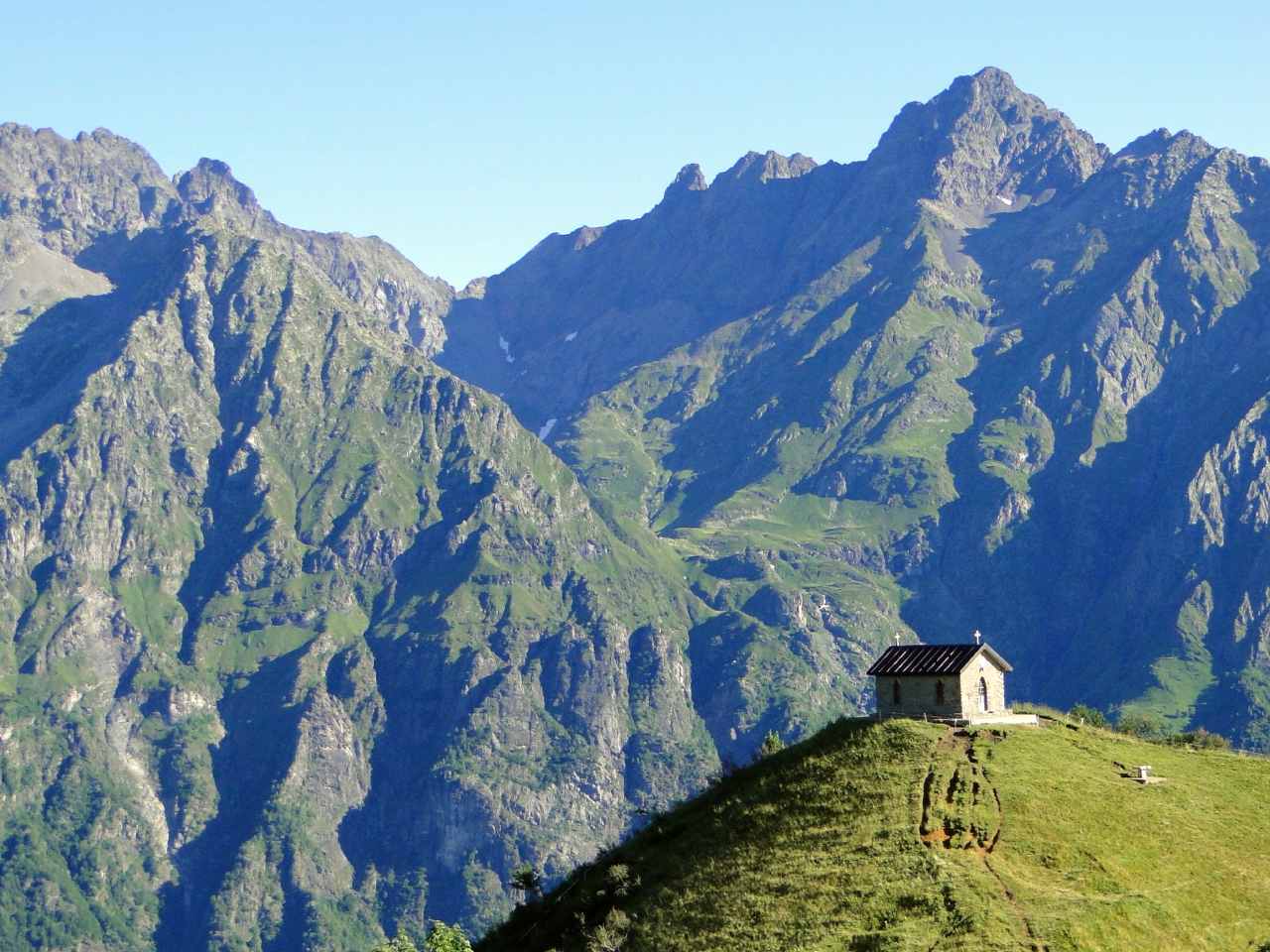
Lombardy
 Apr–May, Sep–Octbest time
7 daysplan for
Yeswith kids
Apr–May, Sep–Octbest time
7 daysplan for
Yeswith kids
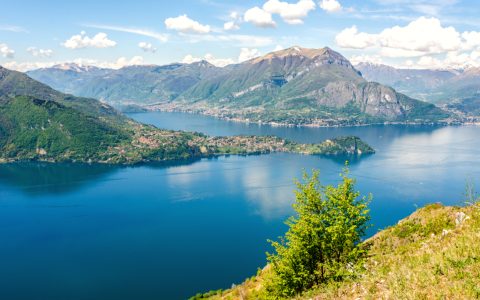
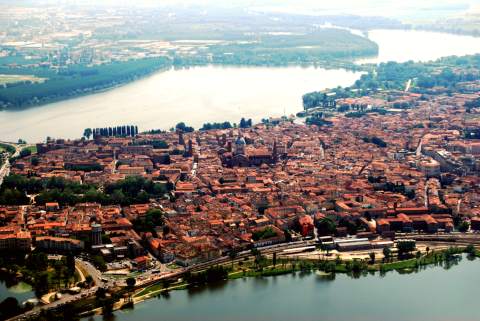
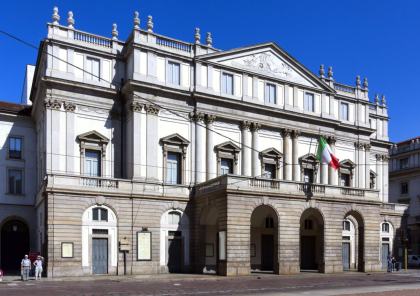
Lombardy is a region in northern Italy known for its rich cultural heritage and diverse landscapes. From the serene lakes like Lake Como to the bustling streets of Milan, it offers a mix of urban and natural experiences that appeal to many travelers.
Read more
Visitors can explore historical sites, enjoy outdoor activities in the Alps, and indulge in local cuisine. The region's blend of modernity and tradition creates a unique atmosphere that invites exploration.
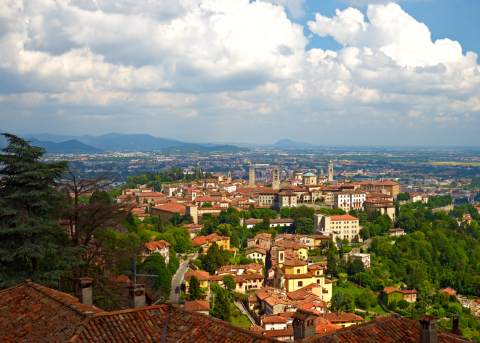
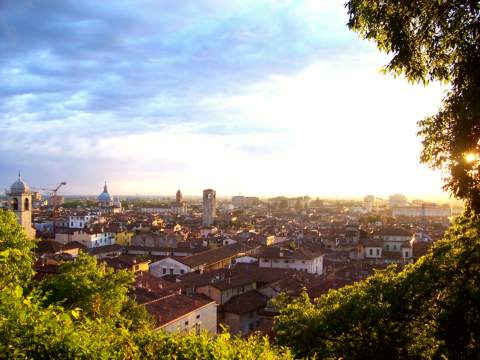
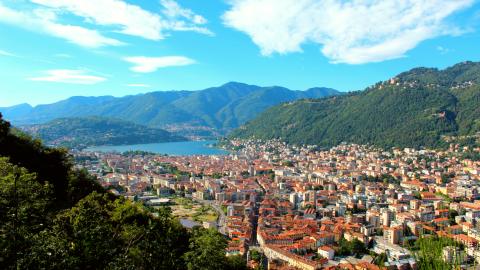
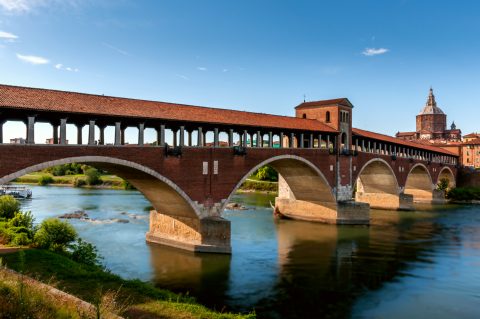
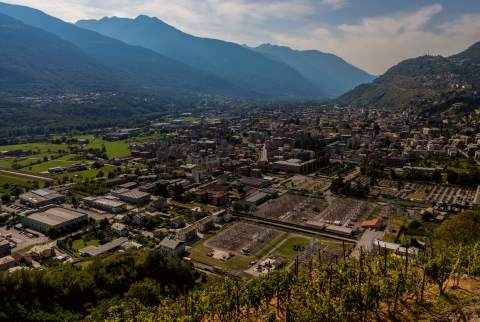
Sightseeing
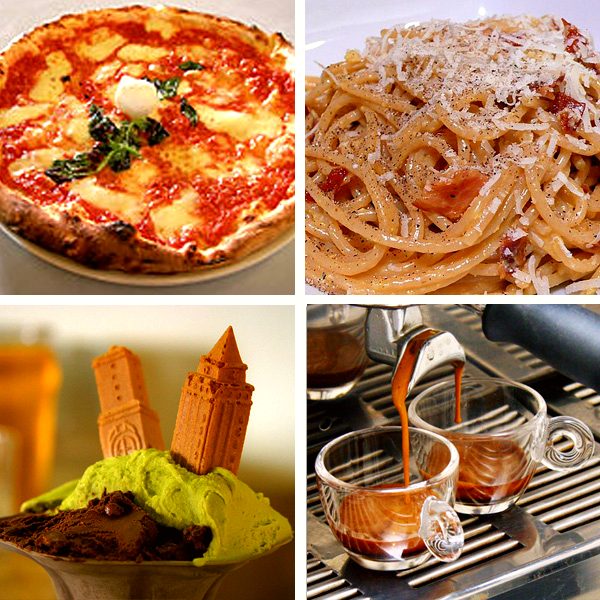
Local traditions
Practical
At a glance
- Best time
- April to June, September to October
History
Lombardy has a rich history that dates back to ancient times, with influences from the Celts, Romans, and later the Lombards. The region became a significant center for trade and culture during the Middle Ages, particularly in cities like Milan and Pavia.
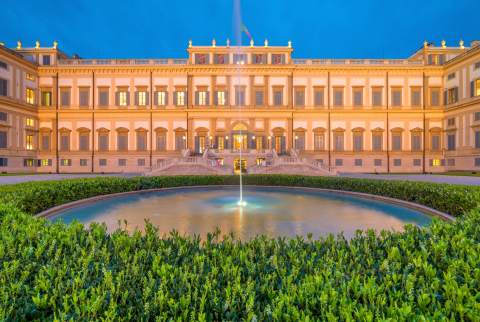
In the Renaissance, Lombardy flourished as a hub of art and innovation. It has seen various rulers, including the Spanish and Austrians, which shaped its cultural landscape. Today, Lombardy is a blend of historical significance and modern development.
Photo: Wikipedia / Wikimedia Commons