search
search
add New trip
Mantua

Mantua

Population: 49.000 Since: Founded around 200 BC Price: Mid-range

Introduction

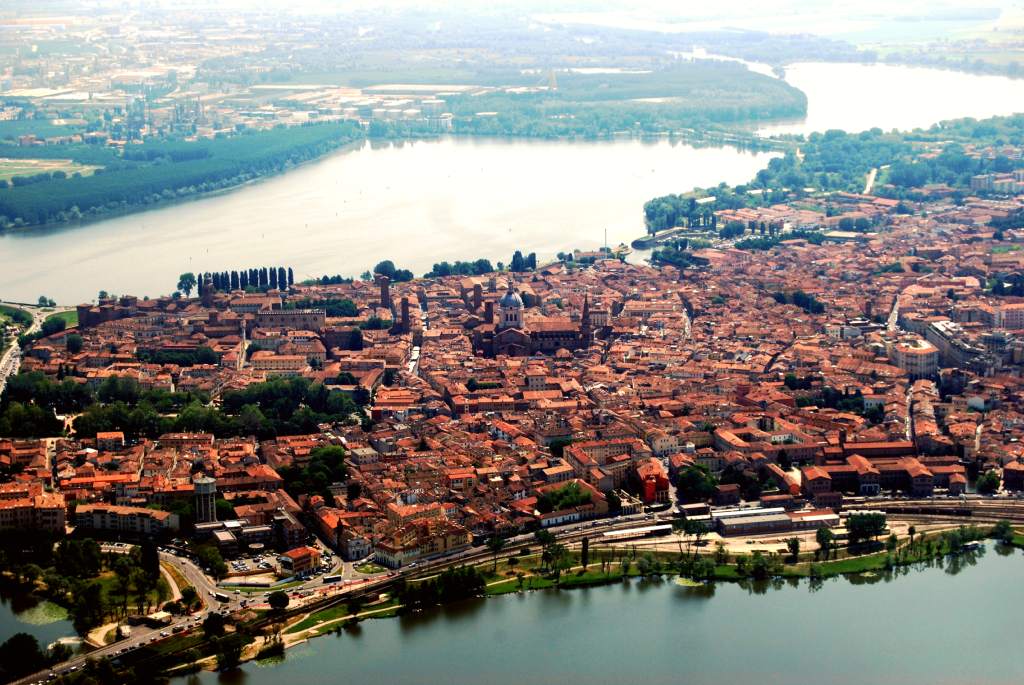
Mantua offers a blend of history and culture, with its Renaissance architecture and serene lakes. Visitors can stroll through its charming streets, taking in the sights and sounds of this Italian city.

The city is known for its artistic heritage, including the works of composer Claudio Monteverdi. While exploring, you may find the pace slower than in larger cities, allowing for a more relaxed experience.

Sightseeing

Palazzo Ducale: A vast complex with over 500 rooms, home to the Gonzaga family.
Castello di San Giorgio: Part of the Ducal Palace, featuring modern art exhibitions.
Teatro Bibiena: A beautiful Baroque theater known for its acoustics.
Piazza Sordello: The main square, surrounded by historic buildings.
Basilica di Sant'Andrea: A Renaissance church housing important artworks.
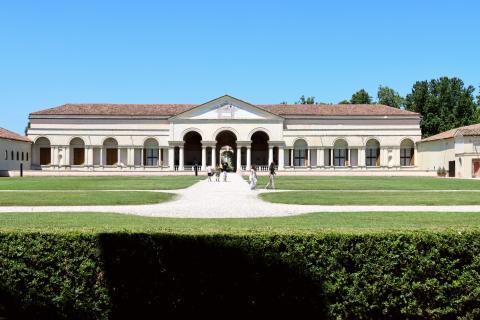
Palazzo Te: A villa with stunning frescoes and gardens.

"A city of art and history"Mantua

Things to do

Visit the museums: Palazzo San Sebastiano and Museo Tazio Nuvolari.
Take a boat trip on the lakes surrounding Mantua.
Explore the local markets for fresh produce and crafts.
Attend a concert or opera performance at Teatro Bibiena.
Local food and drinks - Mantua

Local food and drinks

Pizzeria Ristorante Europa: Known for its pizza, close to the train station.
Doolin Irish Pub: Offers a variety of drinks and burgers, popular among locals.
Il Gallone: A small bar with creative cocktails in the historic center.
Zanzara: A waterfront spot with views of Lago Superiore, perfect for drinks.
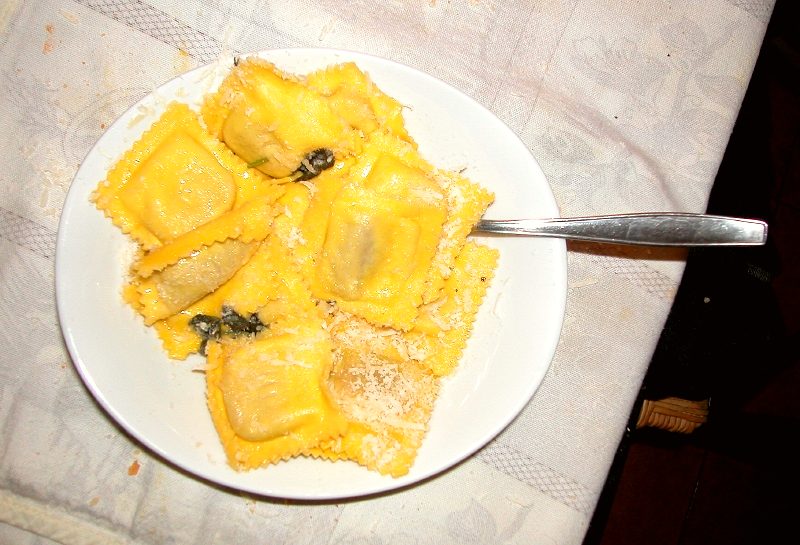
Tortelli di zucca: A local dish made with pumpkin-filled pasta.
Local traditions - Mantua

Local traditions

Festa di San Giorgio: Celebrated in April, honoring the city's patron saint.
Mantova Musica: A music festival showcasing local and international artists.
Palio di San Giovanni: A historical reenactment and competition held in June.
Christmas markets: Featuring local crafts and seasonal treats in December.

History

Mantua's history dates back to ancient times, with its origins linked to the Etruscans. It became prominent during the Middle Ages as a center of culture and politics under the Gonzaga family, who ruled from 1328 to 1707. The city is also significant in the world of music, as it was where Claudio Monteverdi premiered his opera L'Orfeo in 1607, marking a pivotal moment in the history of opera.

Things to know

Parking can be challenging in the city center; consider using public transport.
Some attractions may have limited opening hours, especially in winter.
Watch for tourist traps near major sights, particularly in restaurants.
The old town has many cobblestone streets, which may be difficult for those with mobility issues.

Do's and don'ts

Try the local pumpkin tortelli at a trattoria.
Explore the canals by renting a boat.
Visit the markets for unique local products.
Take time to relax in the public gardens.
Don't rush through the sights; take your time to enjoy.
Don't miss the smaller museums; they often have unique exhibits.
Don't ignore local dining spots; they offer authentic cuisine.
Don't drive into the limited traffic zones without a permit.

Good to know

Accessibility: Some areas are wheelchair accessible, but many streets are cobbled.
Price level: mid-range

Photo: Wikipedia / Wikimedia Commons