search
search
add New trip
Pavia

Pavia

Population: 72.000 Since: Founded around 200 BC Price: Mid-range

Introduction

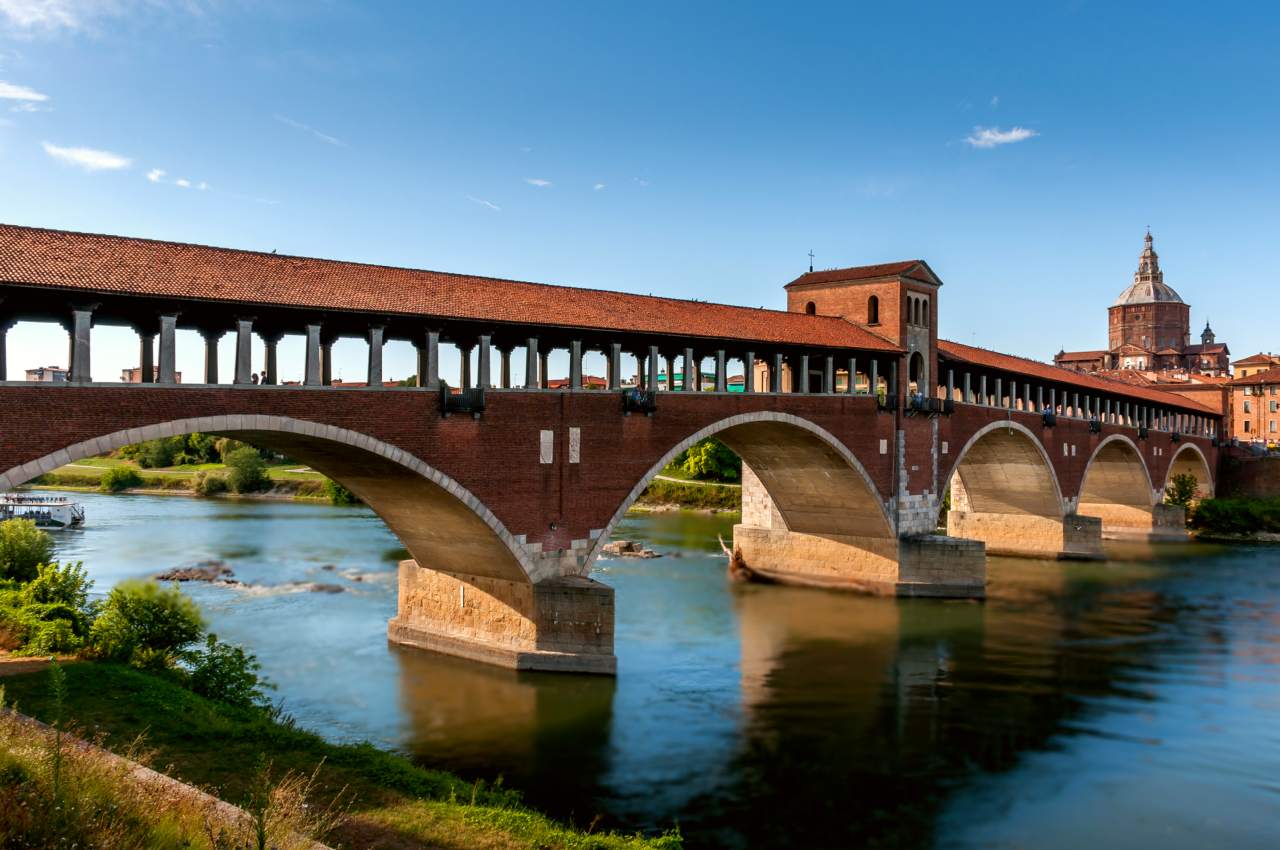
Pavia offers a blend of history and academic life, with its ancient streets and vibrant university atmosphere. Visitors can stroll along the Ticino River or explore the charming piazzas filled with cafes and shops.

The city is known for its rich cultural heritage, featuring impressive architecture and a relaxed pace. While it may not be as famous as Milan, Pavia has its own unique charm that invites exploration and discovery.

Sightseeing

Castello Visconteo: A historic castle housing city museums
Le 3 Torri dell'Universita: Three medieval towers in a lively university square
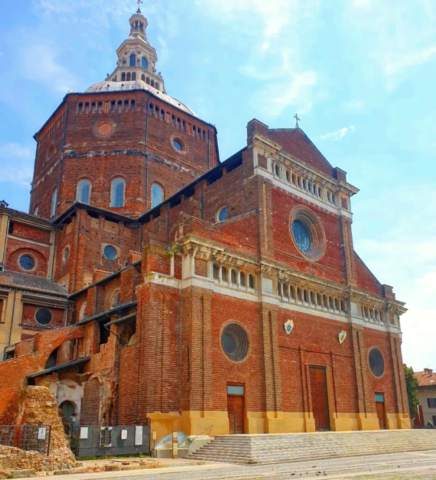
Duomo di Pavia: A Renaissance cathedral with a large dome
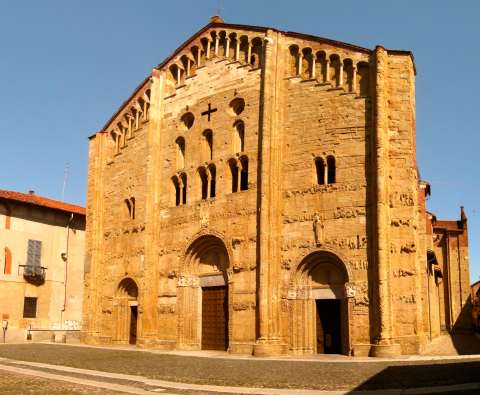
Basilica di San Michele Maggiore: A fine example of Lombard-Romanesque architecture
San Pietro in Ciel d'Oro: A notable church with historical significance

"History and Academia in Harmony"Pavia

Things to do

Walk along the Ticino River: Enjoy scenic views and peaceful walks
Visit the University of Pavia: Explore one of the oldest universities in Italy
Relax in the Castello Park: A green space perfect for picnics
Attend a local festival: Experience Pavia's cultural events throughout the year
Local food and drinks - Pavia

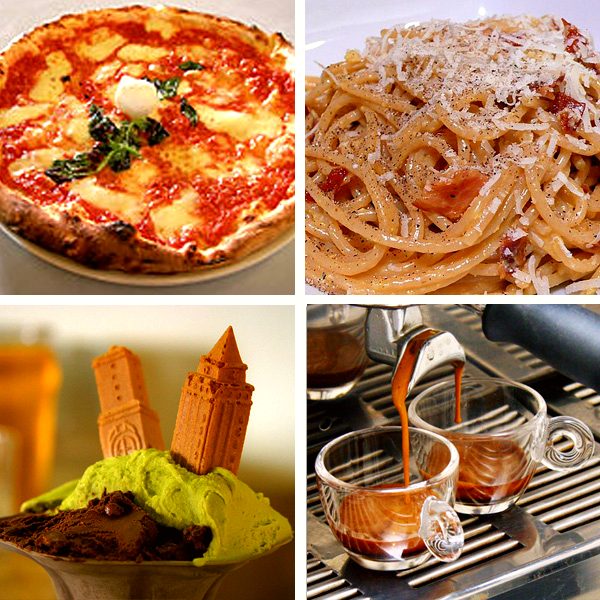
Local food and drinks

Pavese soup: A hearty dish with eggs and croutons
Carthusian risotto: A local specialty with rich flavors
Ossobuco: A slow-cooked veal dish, best at Molto più
Coffee at Janko: A popular spot for a quality brew
Fried frogs: A unique local delicacy to try
Local traditions - Pavia

Local traditions

Festa di San Siro: Celebrated in early October with local events
Palio di Pavia: A historical race held in September
Cultural events at the university: Various lectures and exhibitions throughout the year
Christmas markets: Festive stalls and local crafts during the holiday season

History

Pavia has a rich history dating back to Roman times, when it was known as Ticinum. It became an important center during the Middle Ages, serving as the capital of the Lombard Kingdom.

The city played a significant role in Italian history, especially during the Renaissance. It was home to many scholars and artists, contributing to its reputation as a center of learning and culture.

Things to know

Public transport can be limited, especially on weekends
Some attractions may have reduced hours during winter
Watch out for pickpockets in crowded areas
Dining options can be busy during peak hours, so plan ahead

Do's and don'ts

Explore the local markets for fresh produce
Try the regional dishes at local trattorias
Visit the university library for historical texts
Take a guided tour to learn more about the city's history
Don't rush through the city; take your time
Don't miss the smaller streets for local charm
Don't assume English is widely spoken; learn a few phrases
Don't ignore local dining customs, like meal times

Good to know

Accessibility: The city has some accessible areas, but cobblestones can be challenging.
Price level: mid-range

Photo: Wikipedia / Wikimedia Commons