Innlandet
 Jun–Augbest time
7 daysplan for
Yeswith kids
InnlandetYour own route
Plan a trip here →
Innlandet offers a mix of natural beauty and outdoor activities. The region features lakes, forests, and mountains, making it ideal for hiking, fishing, and skiing.
Read more
Visitors can explore charming towns and experience local culture. The area is known for its rich history and traditional Norwegian architecture, providing a glimpse into the past.
Cities
Sightseeing
Hedmark Museum: showcases regional history and culture.
Lillehammer: known for the 1994 Winter Olympics and its charming wooden architecture.
Rondane National Park: established in 1962, it features hiking trails and diverse wildlife.
Mjøsa Lake: the largest lake in Norway, perfect for fishing and boating.
Kongsvinger Fortress: a historical military site with guided tours available.
Gålå: a village offering hiking, fishing, and winter sports.
Elverum: hosts various cultural events, including the Elverum Festival in summer.
Trysil: a ski resort town with over 70 kilometers of slopes, popular in winter.
Local food and drinks
Rømmegrøt: a traditional sour cream porridge
Kjøttkaker: Norwegian meatballs served with gravy
Lefse: a soft flatbread often filled with sweet or savory ingredients
Rakfisk: fermented fish, typically served with flatbread
Brunost: a brown cheese with a unique flavor
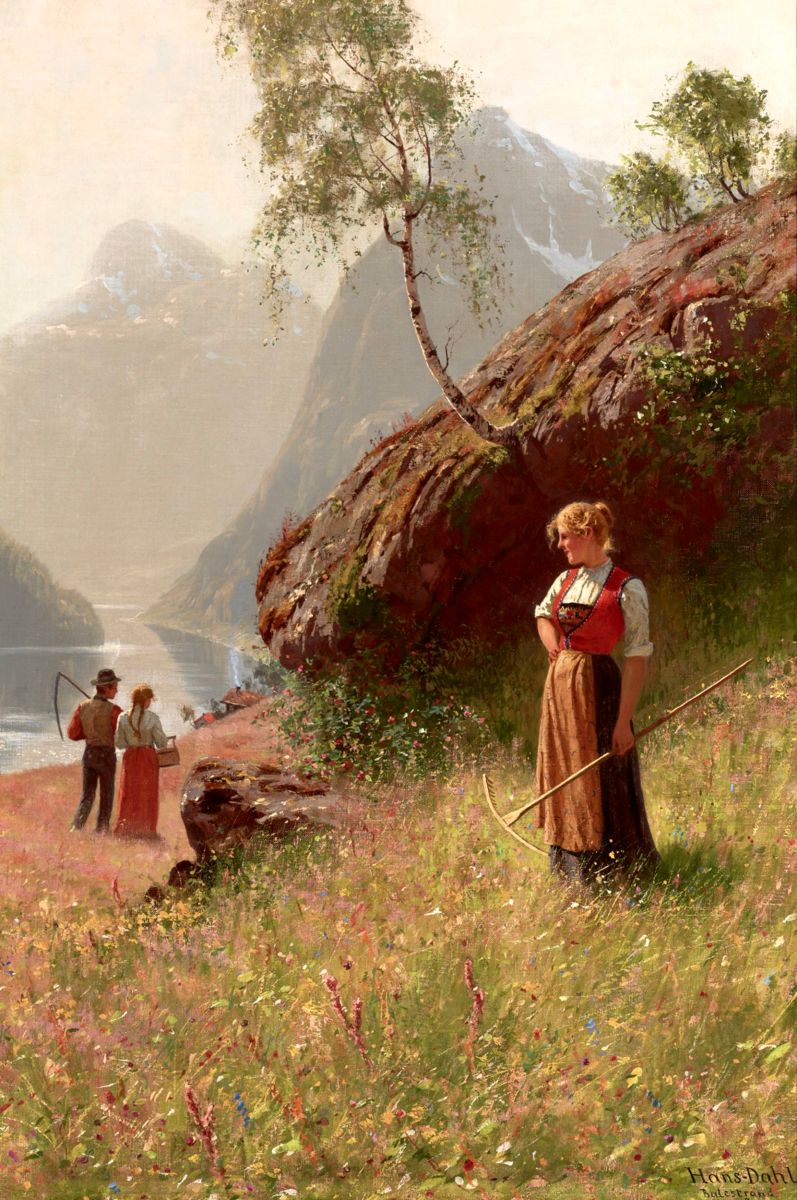 Hans Dahl · Public domain
Local traditions
Hedmark Festival: celebrates local culture and traditions
Lillehammer Winter Games: a celebration of winter sports
Midsummer Festival: marks the summer solstice with bonfires
Harvest Festival: showcases local produce and crafts
Practical
At a glance
- Best time
- June to September
History
Innlandet has a rich history that dates back to the Viking Age. The region was significant for trade and agriculture, with many historical sites reflecting its past.
In the 19th century, industrialization began to shape the area. Today, remnants of this history can be seen in the architecture and museums throughout the region.