search
search
add New trip
Beja

Beja

Population: 21.000 Since: Founded as Roman Pax Julia around 48 BC Price: Budget

Introduction

Beja sits on a low rise in the flat wheat country of the Baixo Alentejo, the kind of town where you can see the castle tower from the surrounding fields long before you arrive. The old center is small and walkable, paved in white and grey, quiet outside market hours and very hot in July and August.

This is a working provincial capital, not a tourist showcase. That is part of the appeal. You get real Alentejo prices, unhurried cafes, and locals who have time to talk. Come for a day or two, use it as a base for the plains.

Sightseeing

Beja Castle: 40 metre keep built under King Dom Dinis around 1300, climb the tower for views over the plains.
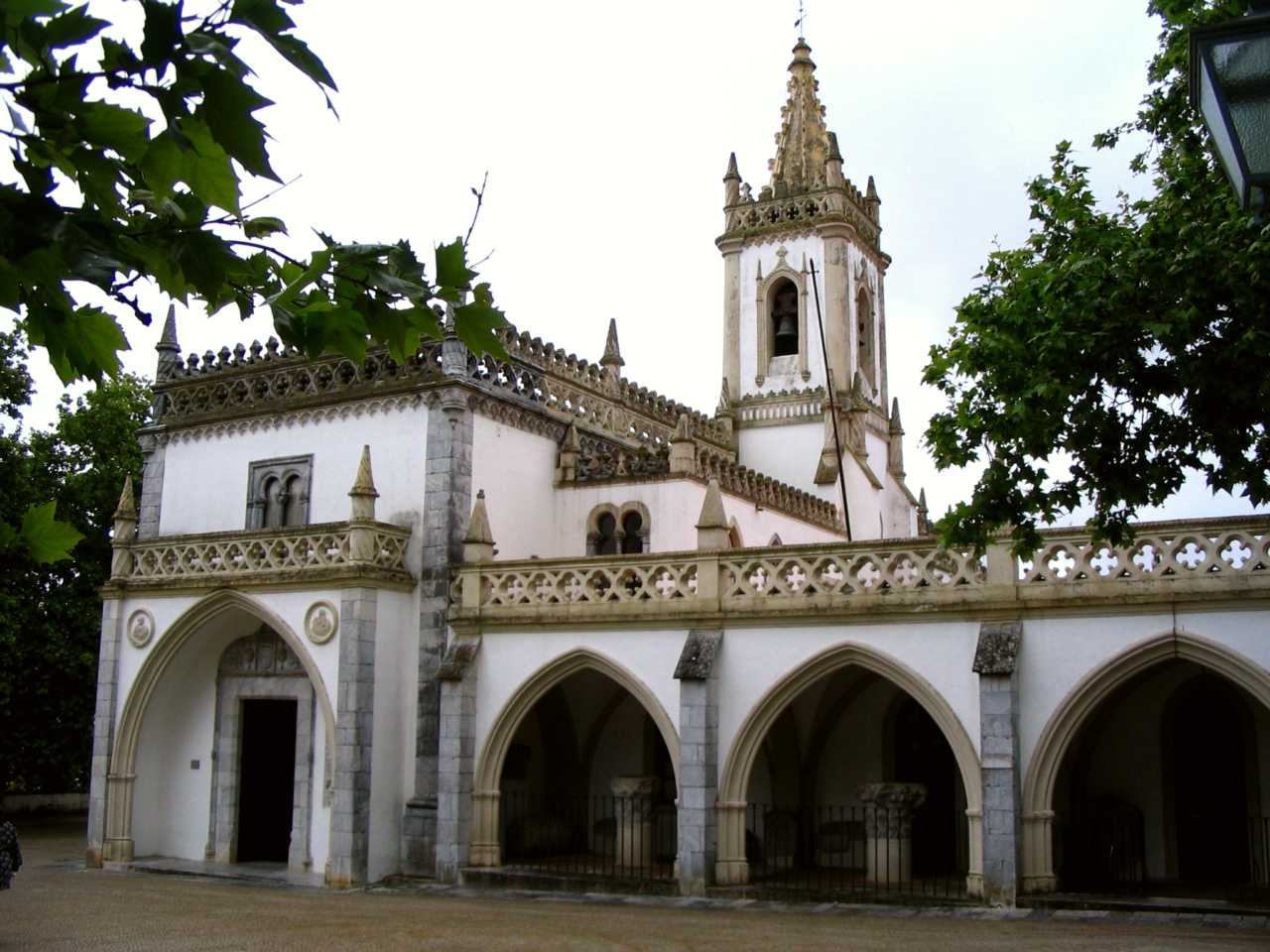
Queen Leonor Regional Museum: housed in the 1495 Convent of Nossa Senhora da Conceicao, old paintings and azulejo tiles.
Roman walls: fragments of the old Pax Julia circuit, later patched in medieval times.
Casa das Artes Jorge Vieira: small museum of the sculptor's work, worth a short stop.
Sao Francisco convent: 13th century Franciscan building, now the Pousada hotel, you can walk into the courtyard.

"Castle tower over the Alentejo plains"Beja

Things to do

Climb the castle keep: 2 euro for the tower, best light late afternoon.
Wander the old center: Rua Dom Dinis and the streets around the cathedral, on foot.
Visit Ovibeja: the big spring agriculture and livestock fair, usually late April or early May.
Day trip to Herdade da Malhadinha Nova: wine estate near Albernoa for tastings.
Sit in a praca cafe: order a coffee and watch the town go by, cheap and slow.
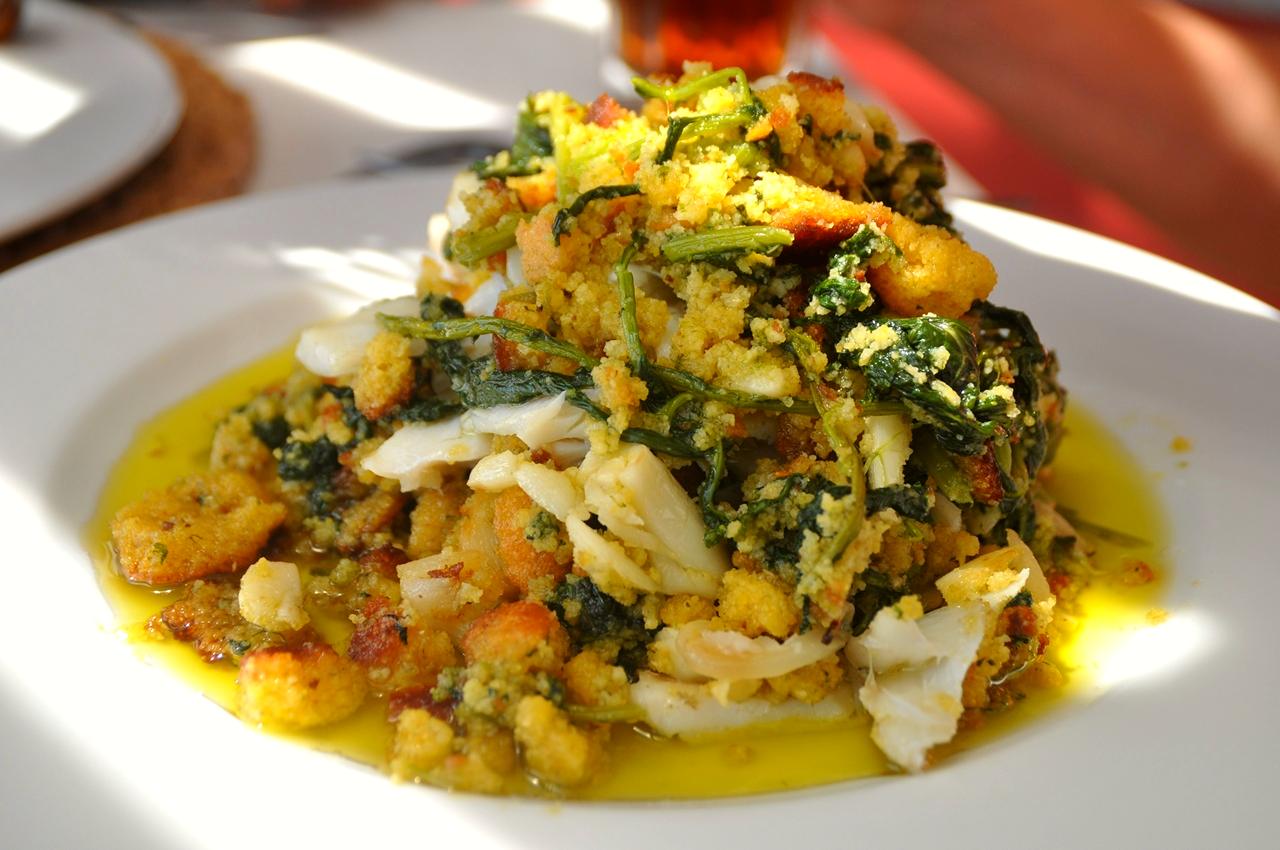
Local food and drinks - Beja

Local food and drinks

Migas: bread fried with garlic, olive oil and pork, a plains staple.
Porco preto: black pig pork, often grilled with sausages at Sabores do Monte.
Sopa de cacao alentejana: bread soup with garlic, coriander and a poached egg.
Queijo de Serpa: strong sheep cheese from the nearby town, sold in shops here.
Alentejo red wine: full and warm, order the house tinto with any meat dish.
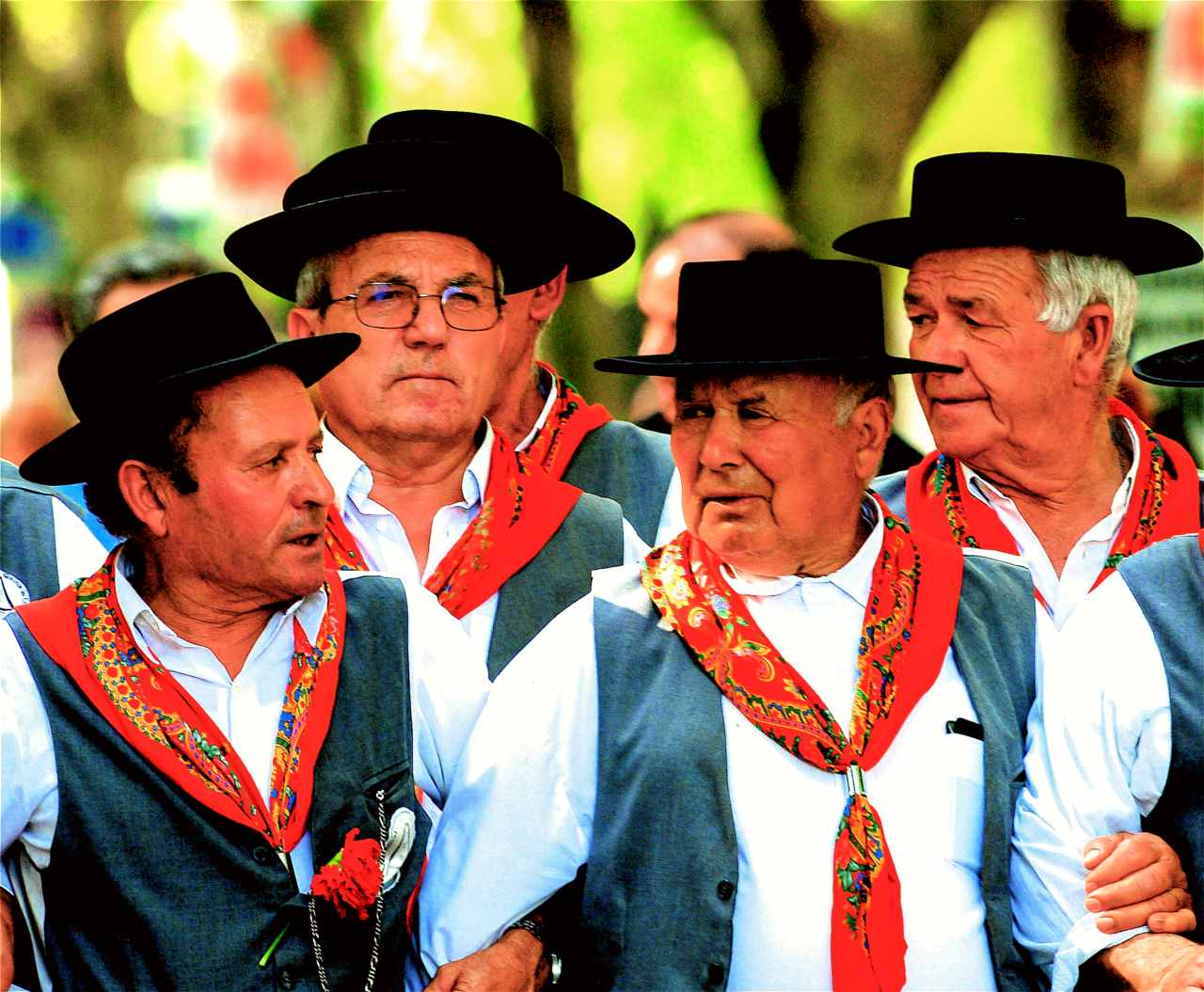
Local traditions - Beja

Local traditions

Ovibeja: the region's main farm fair, livestock, crafts and food each spring.
Cante alentejano: unaccompanied group singing, UNESCO listed, heard at local events.
Saint's day processions: quiet religious walks through the old streets on feast days.
Sunday lunch: long, slow, family focused, book restaurant tables ahead.

History

Beja began as Roman Pax Julia, a settlement named for a peace deal under Julius Caesar, and grew into a regional hub on the roads of Lusitania. You can still see stretches of the old walls, though much was rebuilt after Roman times. The Moors held the town for centuries and left their mark before Afonso Henriques took it in 1162.

King Dom Diniz raised the great square keep around 1300, still the tallest medieval tower in Portugal at roughly 40 metres. The 1495 convent, later the Queen Leonor museum, tied Beja to court and church life. It stayed a farming capital, and that agrarian rhythm defines it now.

Things to know

Summer heat is serious: July and August regularly top 38 C, plan for early mornings.
Many places close midday and on Mondays, check hours before you set out.
Public transport is thin: trains and buses run to Lisbon and Evora but not often, a car helps.
The castle and museum close on major holidays including 1 Jan and 25 Dec.

Do's and don'ts

Try the black pig pork, it is the local specialty.
Climb the castle tower for the view over the plains.
Book restaurant tables for Sunday lunch.
Carry water and sunscreen in summer.
Don't expect nightlife, the town is quiet after dinner.
Don't rely on frequent trains, times are limited.
Don't rush the meals, service is unhurried by design.
Don't skip Serpa cheese if you see it in a shop.

Good to know

Accessibility: Old center is mostly flat but cobbled, and the castle tower has steep stairs with no lift.
Price level: budget

Photo: Wikipedia / Wikimedia Commons