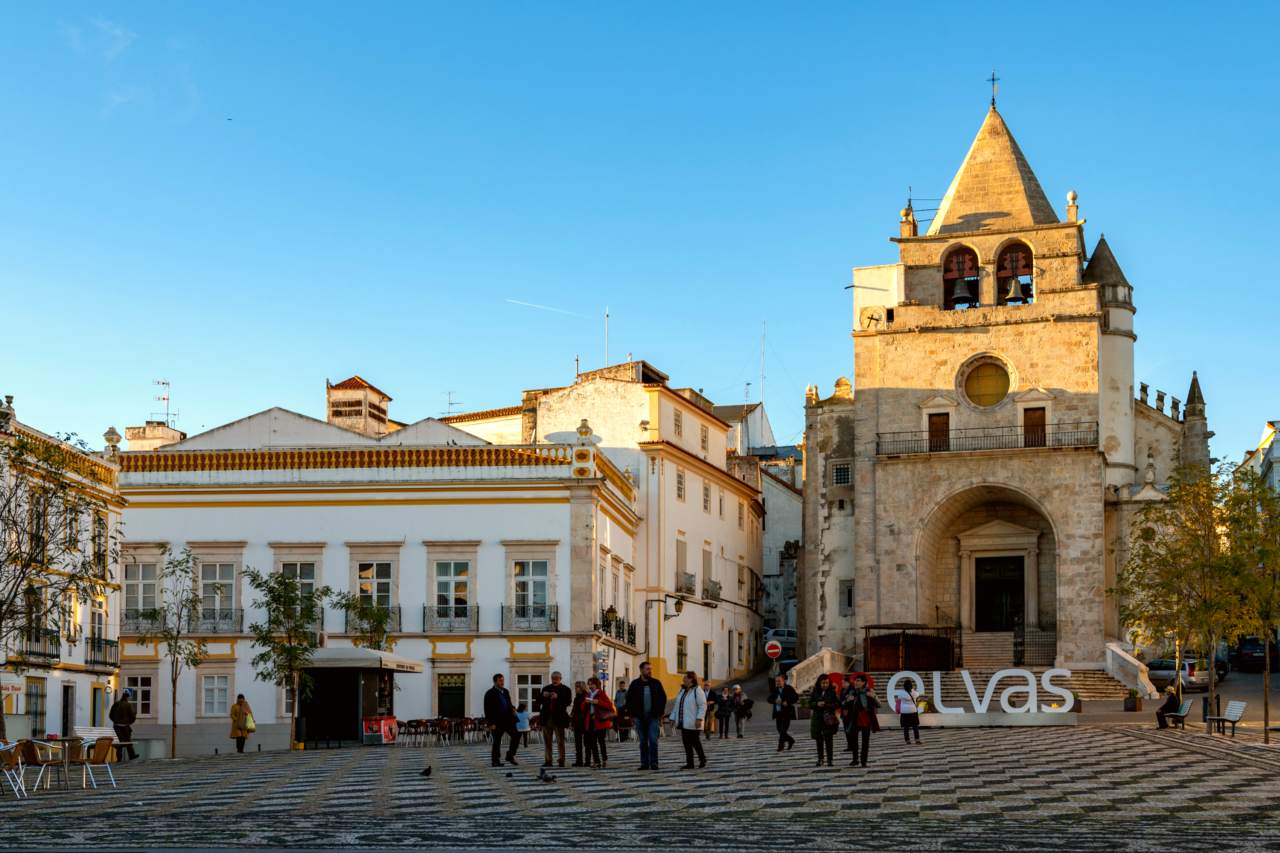
Elvas
Elvas sits on a hilltop in eastern Alentejo, about 8 km from the Spanish border and the Guadiana river. The star-shaped bastion walls that wrap the old town are the reason it made the UNESCO list, and they still work as a walking route. Inside, the streets are narrow, whitewashed and quiet outside festival days.
Read more
Most visitors come for a half day on the way to or from Badajoz. That works, but staying a night lets you see the aqueduct in low evening light and eat properly. Bring comfortable shoes: the cobbles and slopes are constant.
Highlights
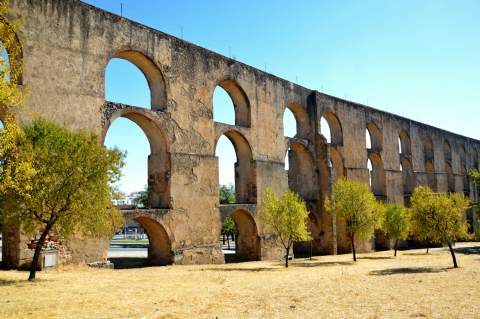
Amoreira Aqueduct
Towering arches that still carried water into town
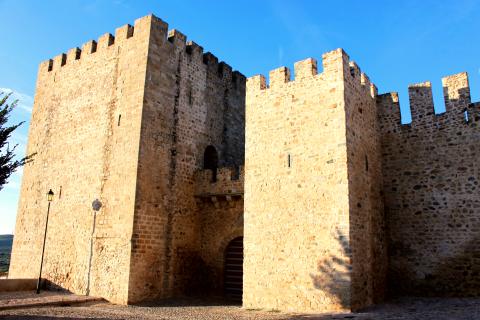
Castle of Elvas
Hilltop fort with views over the plain
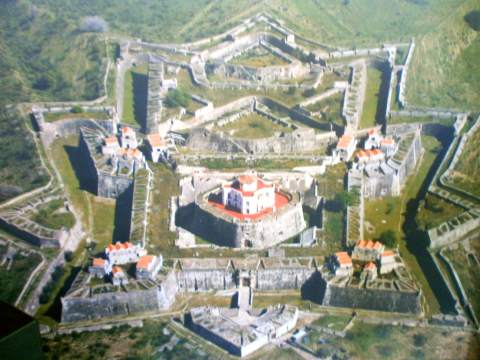
Nossa Senhora da Graca Fort
18th-century star fort on the ridge
Our Lady of the Assumption
Former cathedral with Manueline and Moorish traces
Praca da Republica
Tiled central square and orientation point
Santa Luzia Fort
Smaller fort housing a military museum
Sightseeing
Things to do
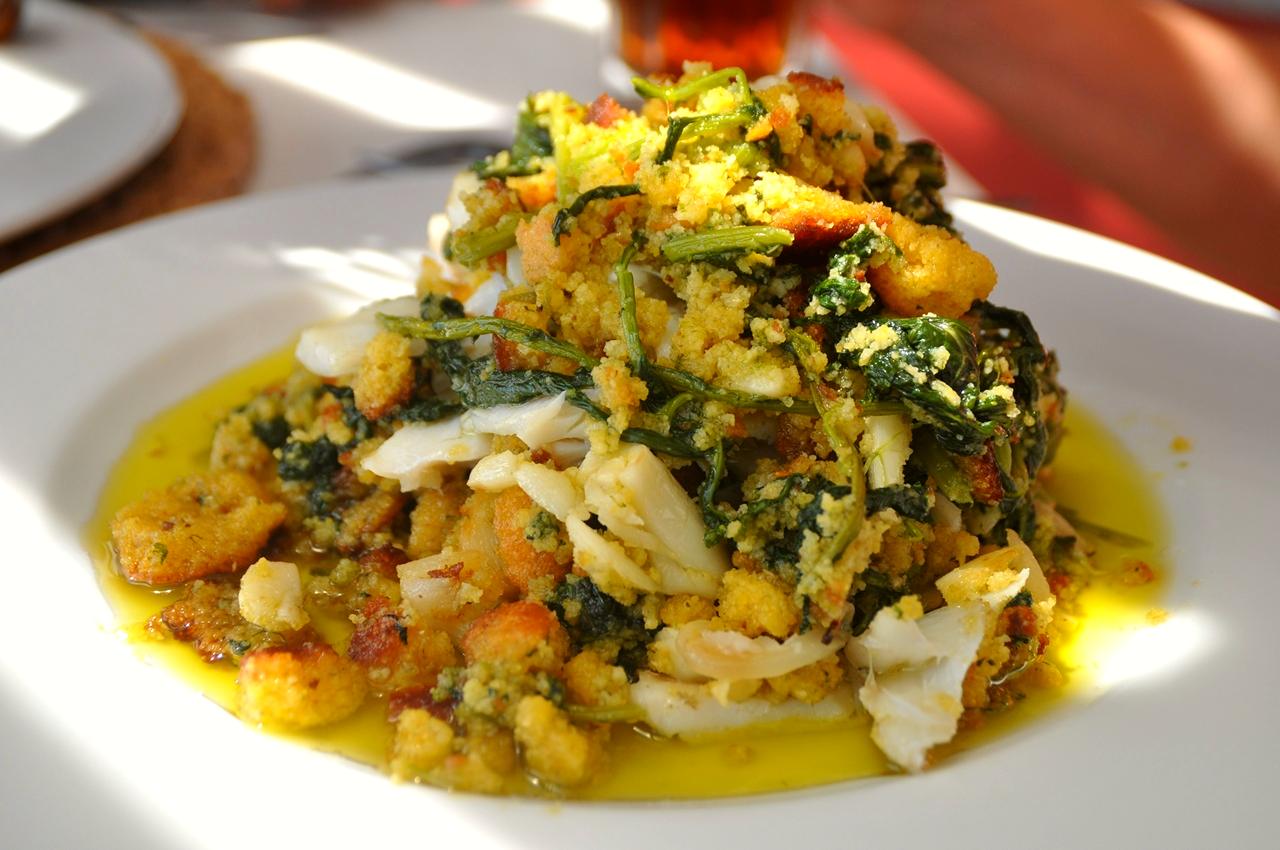
Local food and drinks

Local traditions
Do's and don'ts
Practical
At a glance
- Founded
- Taken by Portugal in 1226
- Population
- 20.000
- Accessibility
- Sloped cobbles and rampart stairs make much of the old town hard for wheelchair users.
- Price level
- Budget
Things to know
History
Afonso I took Elvas from the Moors in 1166, though it changed hands before Portugal held it for good in 1226. Its position right on the frontier made it a fortress town for centuries, and successive rulers piled on defensive works. In 1570 it became a bishop's seat, a status it kept until 1818.
The great building periods came later. The Amoreira Aqueduct, begun in the early 15th century, was completed in 1622 to bring clean water up the hill. The bastion walls and the outlying forts of Graca and Santa Luzia turned Elvas into one of Europe's largest surviving land fortifications, the reason it earned UNESCO listing in 2012.
Photo: Wikipedia / Wikimedia Commons