search
search
add New trip
Estremoz

Estremoz

Population: 13.000 Since: Marble quarried since Roman times; castle from the 12th century Price: Mid-range

Introduction

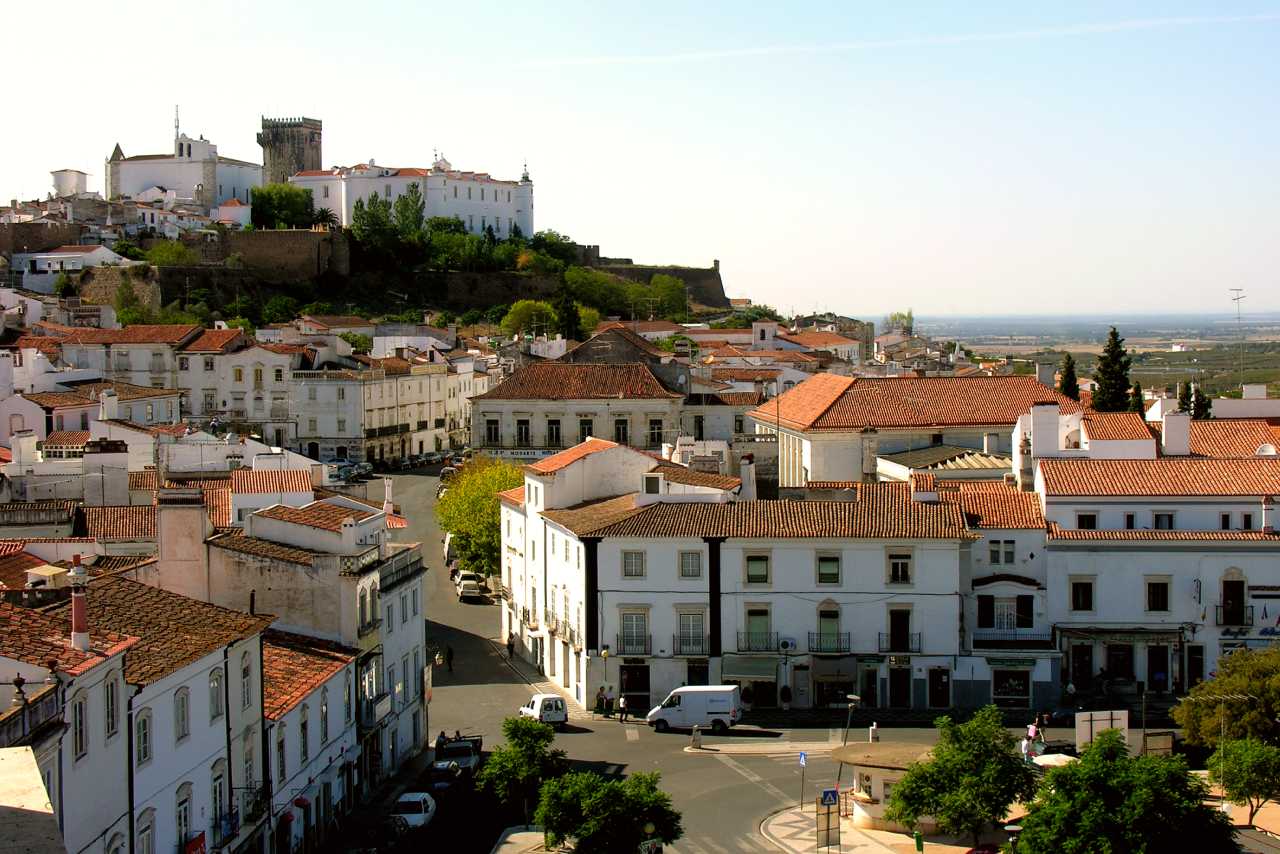
Estremoz is a marble town in the Alentejo, and you notice it fast: the pavements, doorsteps and staircases of ordinary houses are cut from the same stone that built the castle up top. White, cream, grey and the famous Estremoz pink all turn up, sometimes in the same wall. The old center is small enough to walk end to end in an afternoon.

The upper town, with the castle, a pousada and a museum, gives you long views over the plain. Down below, the Rossio, a wide square, fills with a market on Saturdays. It is quiet during weekday afternoons in summer, when the heat clears the streets.

Sightseeing

Castle of Estremoz: 12th-century stronghold near the Spanish border, rebuilt after a 1698 explosion.
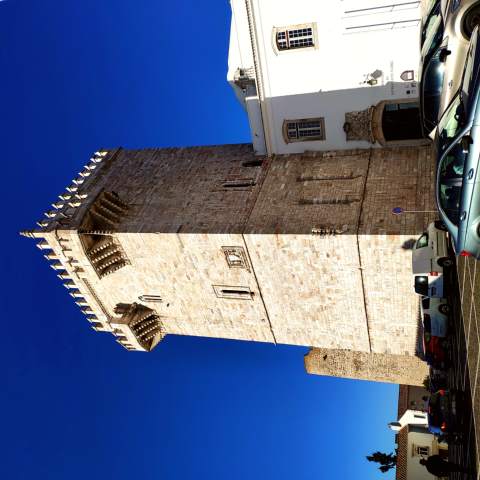
Tower of the Three Crowns: former royal audience room, the marble keep that dominates the skyline.
Rossio Marques de Pombal: the big lower square, home to the Saturday market and cafes.
Municipal Museum: local pottery, folk figures and marble work, near the castle.
Upper town streets: modest houses built and paved in marble, worth a slow wander.

"The pink marble town of the Alentejo"Estremoz

Things to do

Saturday market on the Rossio: part flea market, part farmers stalls; go early.
Cheese stalls: about five neighbouring vendors sell ewe and goat milk cheese.
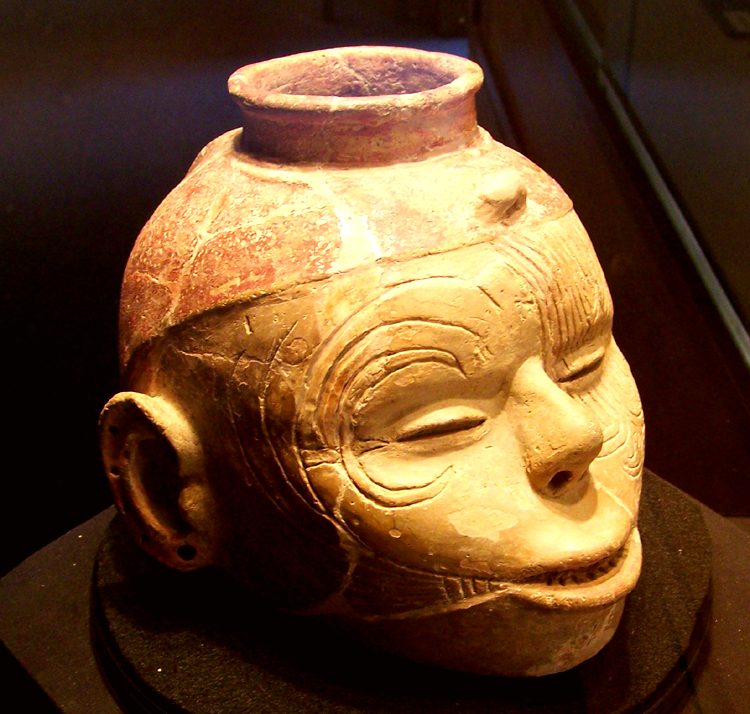
Buy Estremoz figures: hand-painted clay figurines, a recognised local craft.
Day trip to Borba and Vila Viçosa: the other two marble towns, both close by.
Sunset from the castle terrace: the best light over the Alentejo plain.
Local food and drinks - Estremoz

Local food and drinks

A Cadeia Quinhentista: restaurant inside a 1500s jail, with a rooftop terrace; a splurge.
Queijo de Estremoz e Borba: local sheep cheese, DOP-protected, best bought at market.
Ensopado de borrego: lamb stew served over bread, an Alentejo staple.
Migas: fried bread with garlic and olive oil, often paired with pork.
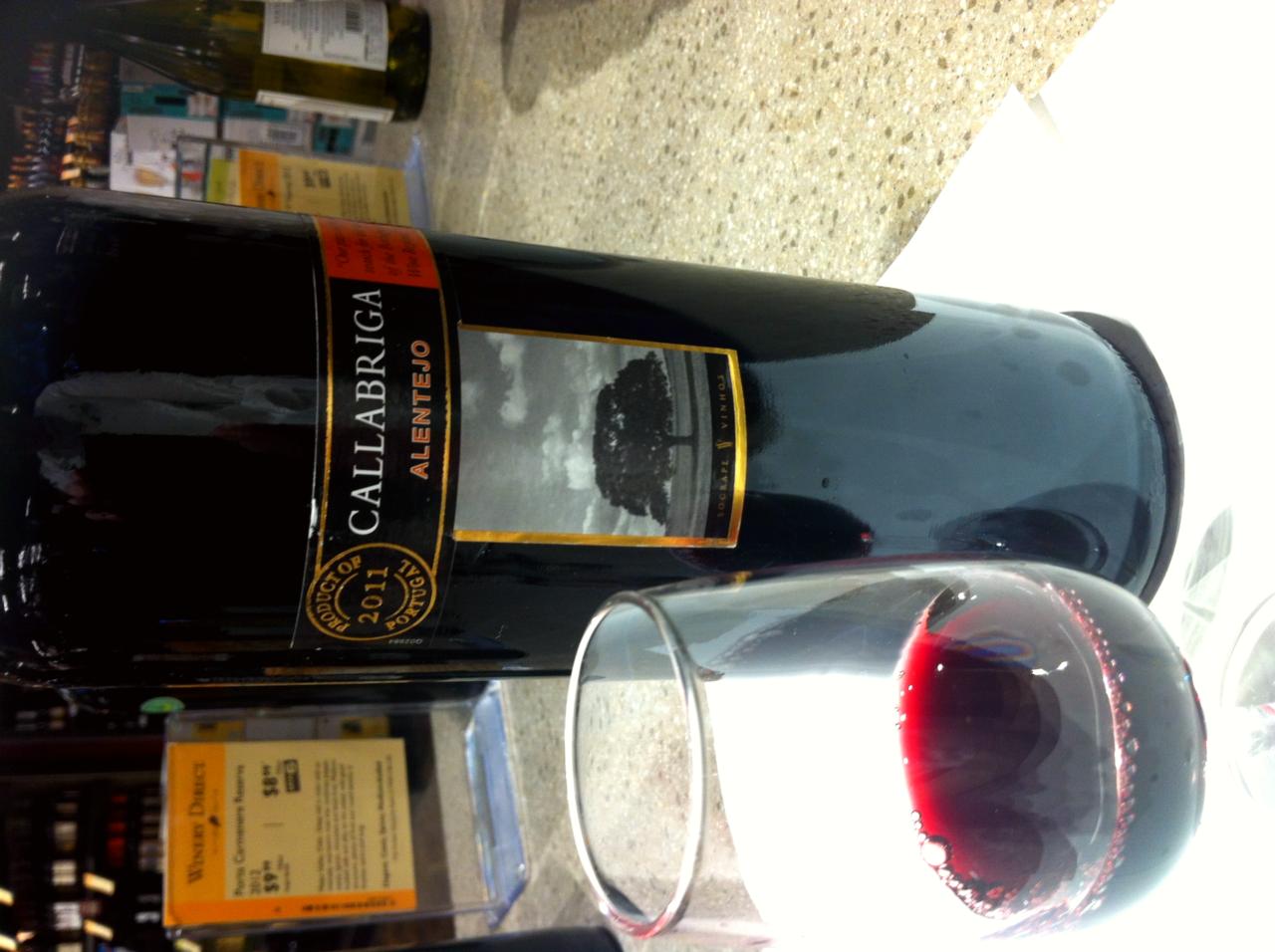
Alentejo red wine: robust local reds from nearby estates, cheap and good.
Local traditions - Estremoz

Local traditions

Estremoz figures: painted clay figurines, listed by UNESCO as intangible heritage.
Saturday market: a weekly ritual on the Rossio, running for generations.
Feira Internacional de Artesanato e Agropecuaria: spring craft and farming fair, usually late April to May.
Queen Saint Isabel: the town honours King Dinis's wife, tied to the castle's story.

History

Estremoz owes much to its marble, quarried since Roman times. Stone from this area likely traveled to build the Circus Maximus at Emerita Augusta in what is now Spain, and later Portuguese ships carried it to Africa, India and Brazil.

King Dinis built a palace here for his wife, Queen Isabel, in the 13th and 14th centuries, and the hilltop castle grew into one of the Alentejo's key border fortresses against Castile. In 1698 an explosion wrecked much of the complex. The restored palace now serves as a pousada, and the Tower of the Three Crowns still stands over the town.

Things to know

The Saturday market is the main event; visit on other days and the town is very sleepy.
Summer afternoons get hot and streets empty out around lunch; plan for early or evening.
Public transport is limited; a car makes reaching Borba and Vila Viçosa far easier.
Upper town has steep, uneven marble surfaces that get slippery when wet.

Do's and don'ts

Buy cheese and produce at the Saturday Rossio market.
Walk up to the castle for the view over the plain.
Try the local sheep cheese and an Alentejo red together.
Look down at the marble pavements, not just the monuments.
Don't expect nightlife or crowds; this is a small, calm town.
Don't rely on buses for side trips to nearby marble towns.
Don't wander the upper town in slick shoes after rain.
Don't skip the market if you are here on a Saturday.

Good to know

Accessibility: Lower town squares are mostly flat, but the castle area has steep, uneven marble surfaces that are hard with a wheelchair.
Price level: mid-range

Photo: Wikipedia / Wikimedia Commons