search
search
add New trip
Marvao

Marvao

Population: 200 Since: Fortified since the 9th century Price: Mid-range

Introduction

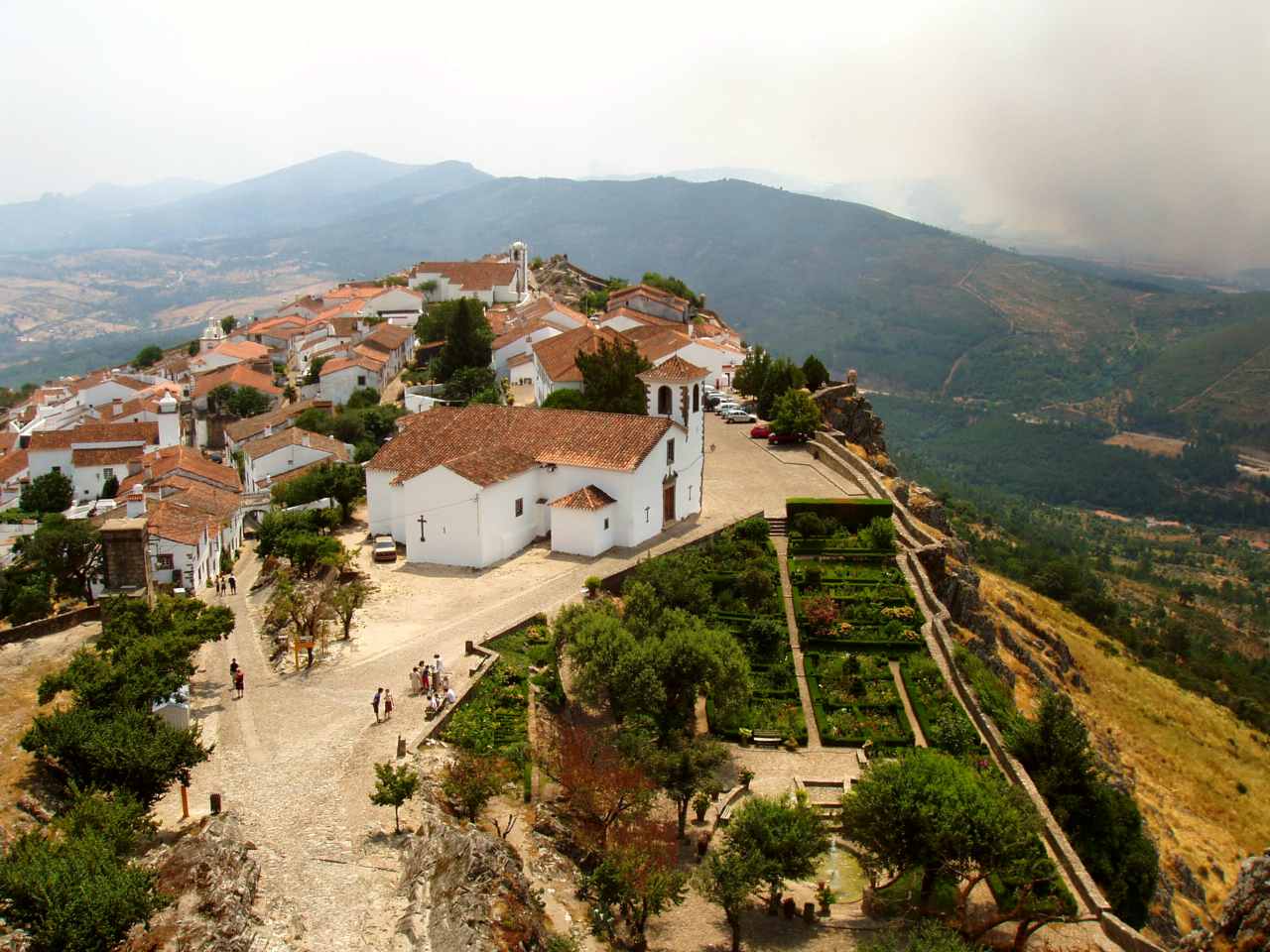
Marvao sits on a granite ridge near the Spanish border, high enough that on clear days you can see a long way across the Alentejo plain. It is small, a couple of hundred residents inside the walls, whitewashed houses with wrought-iron balconies and streets barely wide enough for a car.

Most people come for a day, walk the ramparts, eat lunch, and leave. Staying overnight is better. Once the tour cars head down the hill, the village goes quiet and the light on the walls at sunset is worth the drive.

Sightseeing

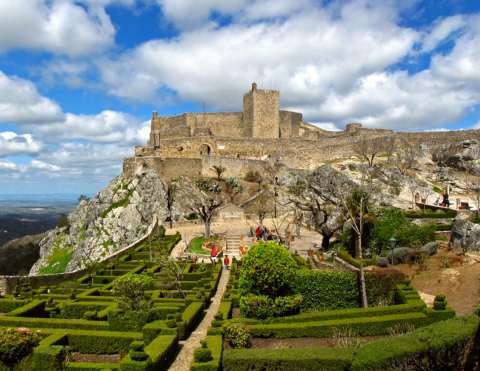
Castle of Marvao: 13th-century fortress at the top, climb the walls for the border views
Village walls: circuit you can walk almost all the way around the town
Igreja de Santa Maria: former church now the municipal museum, small and worth an hour
Pelourinho: the old stone pillory in the square, a marker of medieval town rights
Cisterna: vaulted water cistern near the castle, cool and often overlooked
Ammaia Roman ruins: excavated Roman town a short drive down toward Sao Salvador da Aramenha

"A walled village above the Alentejo plain"Marvao

Things to do

Walk the ramparts: full circuit takes under an hour, uneven in places
Sunset from the keep: go up before dusk when day-trippers have gone
Drive to Portagem: riverside spot below town with a Roman bridge and a swimming area in summer
Hike in Serra de Sao Mamede: trails through the natural park start near the village
Browse local shops: chestnut products, honey and cork goods
Visit Ammaia museum: pairs well with the ruins for Roman history
Local food and drinks - Marvao

Local food and drinks

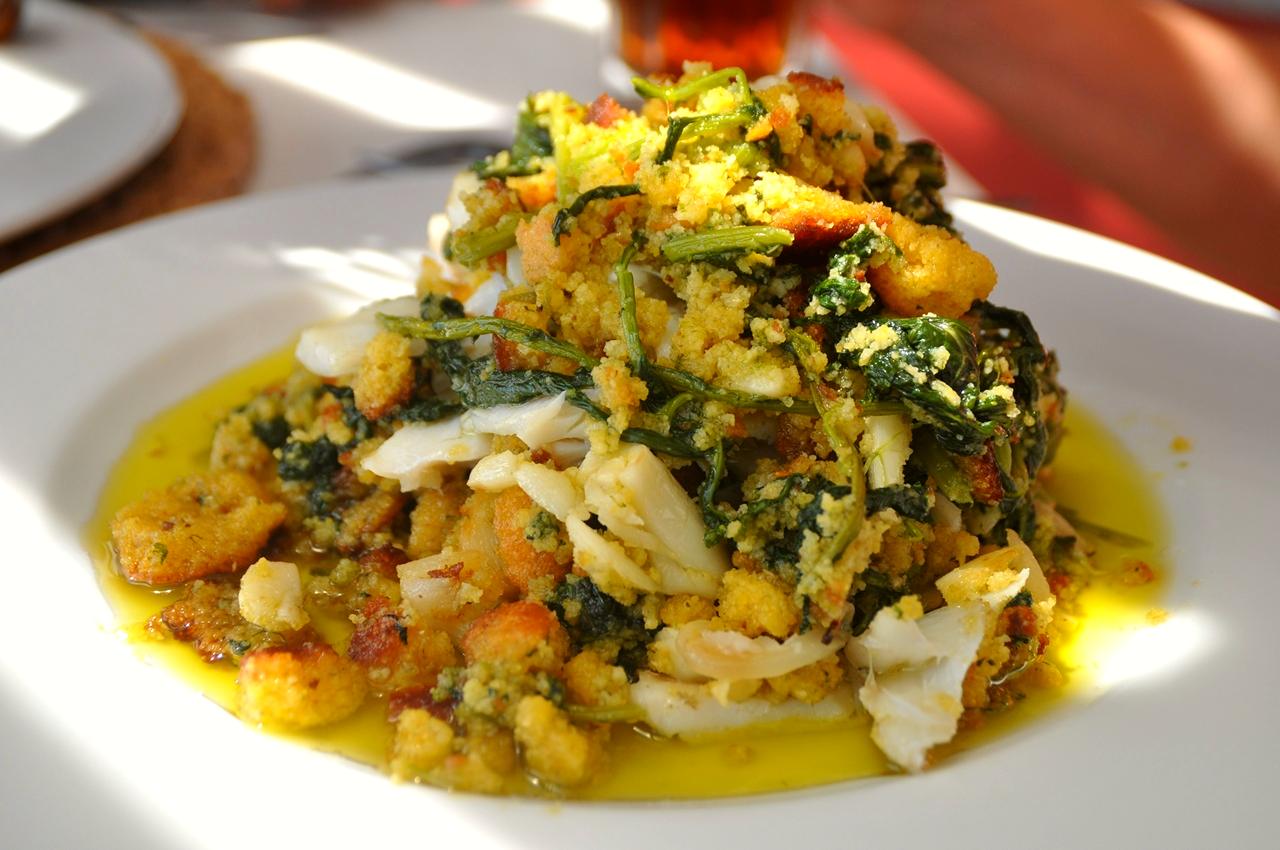
Sopa de cacao: local game and bread soup, hearty and regional
Migas alentejanas: bread fried with garlic and olive oil, often with pork
Ensopado de borrego: lamb stew served over bread
Castanha dishes: chestnuts appear in autumn menus, Marvao is known for them
Sericaia com ameixa: egg and cinnamon dessert with Elvas plums
Local traditions - Marvao

Local traditions

Festa dos Castanheiros: November chestnut festival with roasting, wine and stalls
Easter processions: Semana Santa marked with religious walks through the village
Local saints days: small parish celebrations tied to Santa Maria
Market days: nearby Portalegre holds the larger regional markets

History

The site has been fortified since Roman and Moorish times, taking its name from Ibn Maruan, a Muladi leader active in the 9th century. Its position on the frontier made it a natural watchpoint over the routes between what became Portugal and Castile.

Afonso I took it in the 12th century and King Dinis rebuilt the castle around 1300. Marvao held its strategic role through the wars with Spain, including the Restoration period of the 17th century. When the borders settled and the wars ended, the village lost its military purpose and shrank, which is why it survives today as an almost intact walled town.

Things to know

The drive up is steep with tight bends and limited parking inside the walls, park below and walk if it is busy
Streets are cobbled and uneven, not kind to wheeled luggage or heels
Many restaurants close midweek or off-season, check ahead in winter
Public transport is thin, a car makes this trip far easier

Do's and don'ts

Stay a night to see the village after the day crowds leave
Wear proper shoes for the cobbles and wall walks
Try the chestnut dishes if you visit in autumn
Carry cash, some small places do not take cards
Don't expect much open on Mondays or in deep winter
Don't drive up if the small car parks look full, use the lower lot
Don't rush the ramparts, the views are the whole point
Don't rely on buses to move around the region

Good to know

Accessibility: Steep cobbled streets and castle stairs make it hard for wheelchairs and limited mobility.
Price level: mid-range

Photo: Wikipedia / Wikimedia Commons