
Vila Vicosa
Vila Vicosa is a small town of white houses and orange trees set on the marble country of eastern Alentejo. The main square, Terreiro do Paco, opens in front of the Ducal Palace, and much of the town feels built around that royal past. Streets are quiet outside weekends, and the pace is slow.
Read more
The marble here is not decoration, it is the local stone: door frames, church floors, even kerbs are carved from it. Spring brings the orange blossom scent that the town is known for. Come for a day or an overnight, and expect to walk everywhere on foot.
Highlights
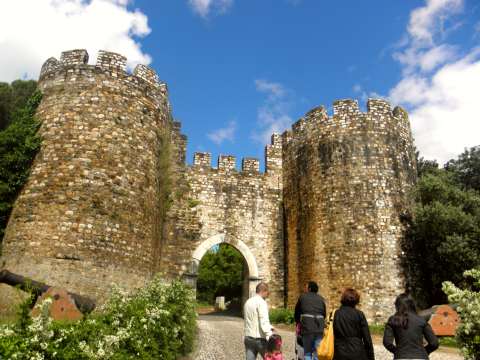
Castle of Vila Vicosa
Walled hilltop fort with small museums
Convent das Chagas
Burial place of the Braganza duchesses
Ducal Palace (Paco Ducal)
Braganza royal residence with painted rooms and coaches
Nossa Senhora da Conceicao Church
Church of Portugal's patron, inside the castle
Porta dos Nos
Stone gate carved with knotted rope design
Terreiro do Paco
Marble-edged square with orange trees and royal statue
Sightseeing
Things to do
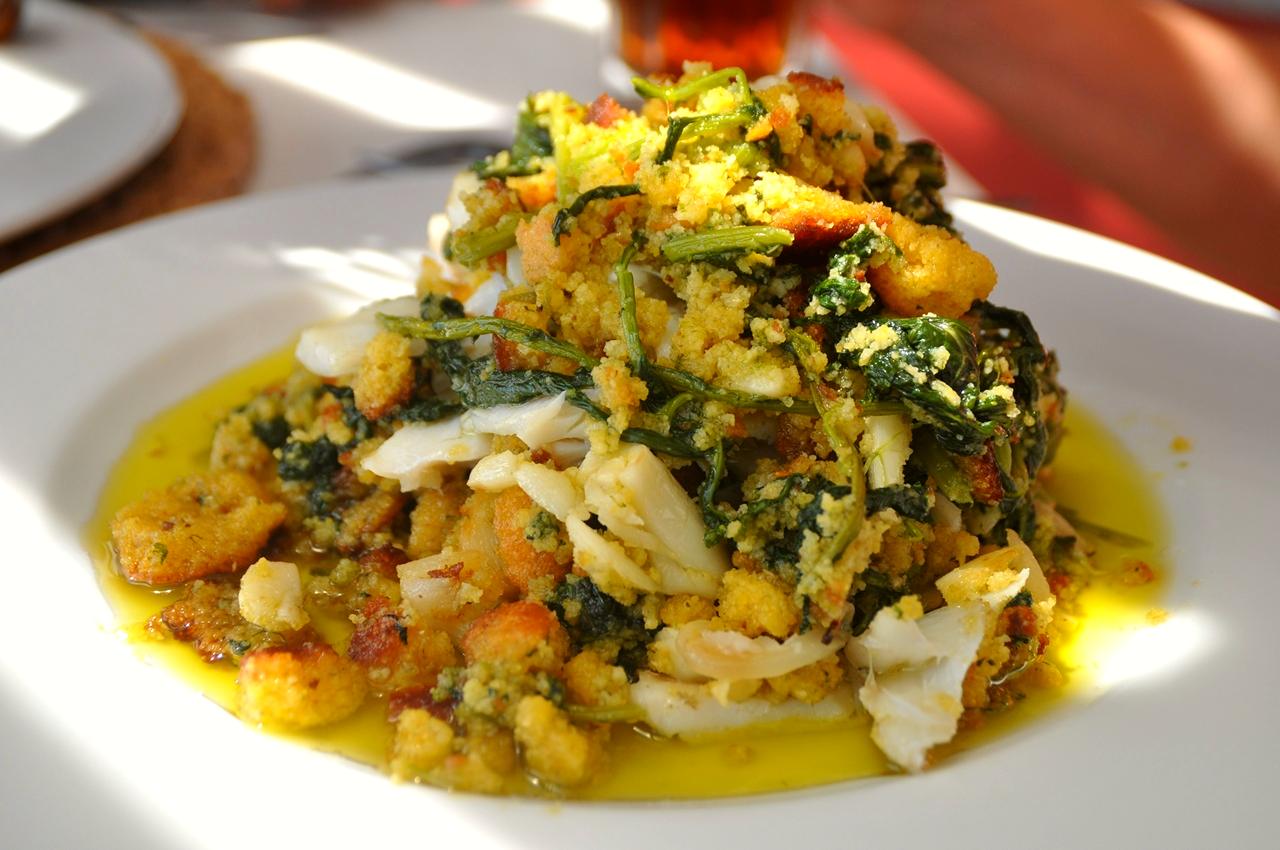
Local food and drinks
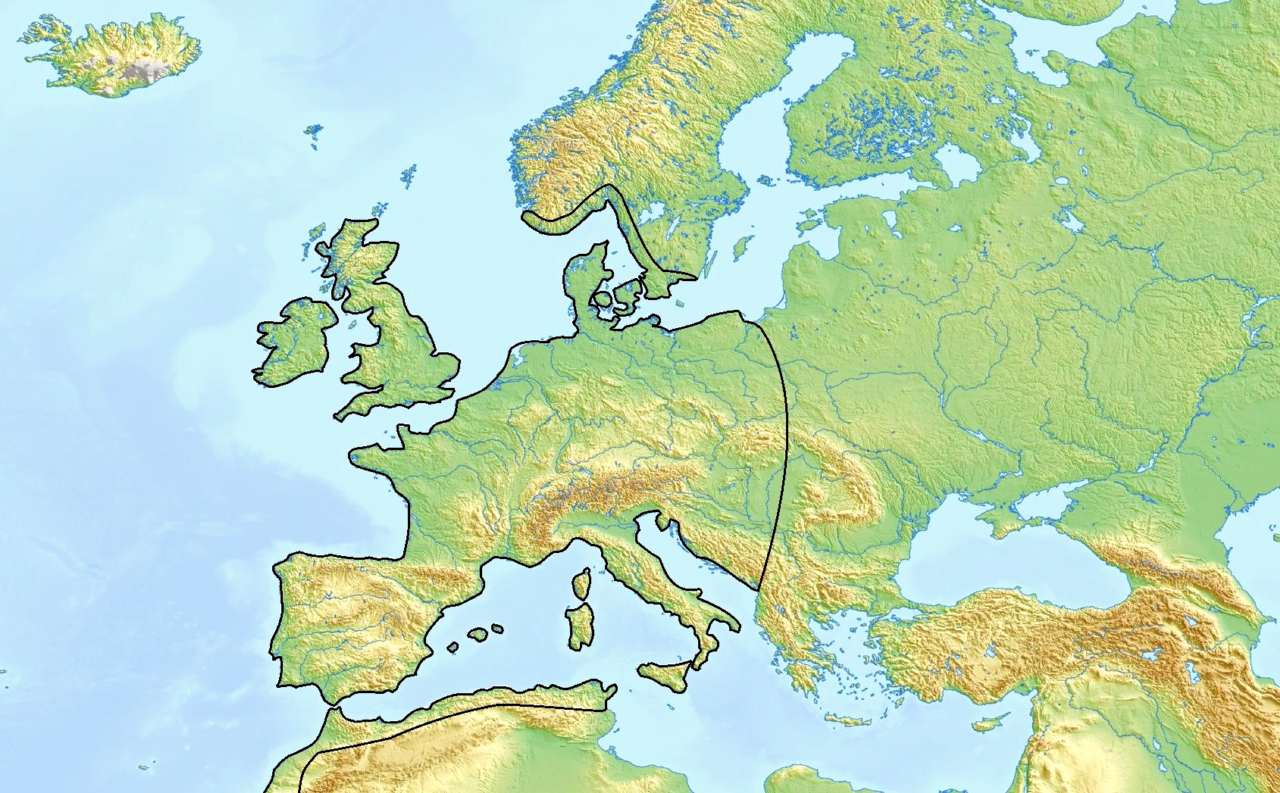
Local traditions
Do's and don'ts
Practical
At a glance
- Founded
- Refortified in the 13th century
- Population
- 8.000
- Accessibility
- Flat central square is manageable, but the palace and castle have stairs and uneven marble floors.
- Price level
- Budget
Things to know
History
Vila Vicosa grew up around its castle, refortified in the 1200s after the Christian reconquest of the Alentejo. In 1461 the Braganza family made it their principal residence, and over the next century they built the Ducal Palace with its long marble facade, turning a border town into a court.
The town's most famous son is Dom Joao, the 8th Duke of Braganza, who became King Joao IV in 1640 when Portugal broke from Spanish rule. His statue stands in the square. The dynasty ruled Portugal until 1910, and the palace stayed a royal home. King Carlos I slept here the night before he was assassinated in Lisbon in 1908.
Photo: Wikipedia / Wikimedia Commons