Albufeira
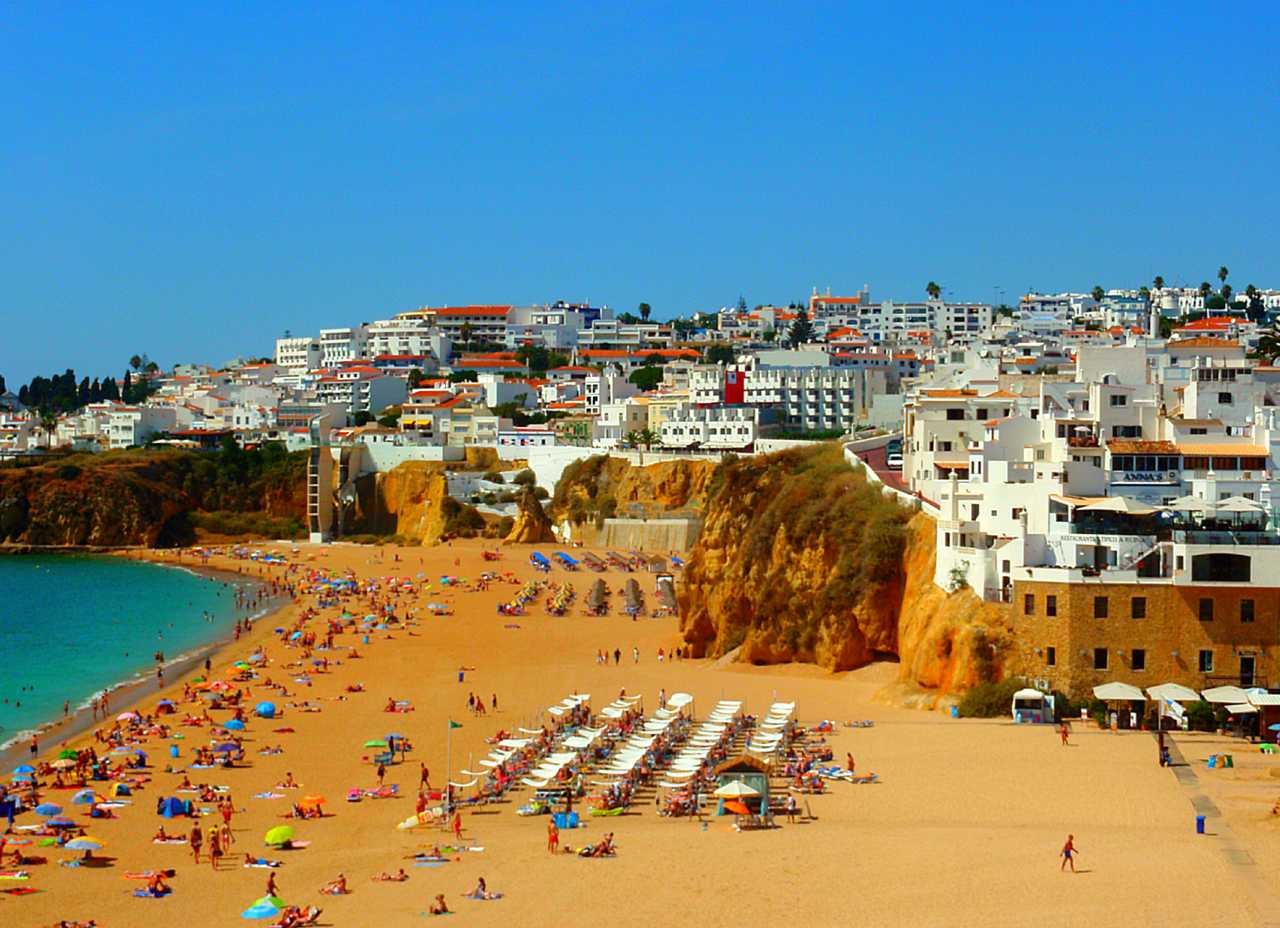
Albufeira grew from a fishing town into the Algarve's busiest resort. The old town keeps a maze of white houses and steep lanes above the beach, and in high summer it fills with sun-seekers from the UK and Ireland. Do not come expecting quiet, traditional Portugal here. The local flavour is real but it shares the streets with English breakfasts, cocktail bars and souvenir stalls.
Read more
What pulls people back are the beaches. Sand runs for miles below sandstone cliffs, the water is warm by June, and small coves sit tucked between the rocks. Spring and autumn are the sweet spots: fewer crowds, milder heat, lower prices.
Highlights
Albufeira Marina
Colourful harbour and base for cliff and cave boat trips
Castelo de Paderne
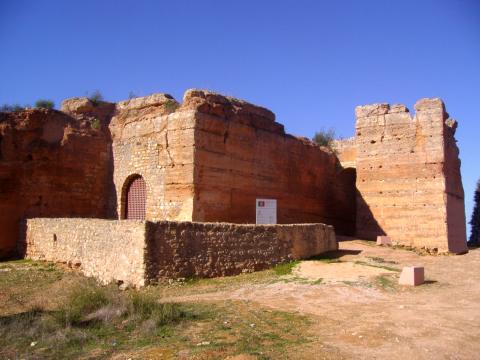
Ruined Moorish castle inland, free to visit
Museu Municipal de Arqueologia
Small museum tracing prehistory to the Moorish era
Old Town (Cidade Velha)
White lanes and tiled houses above the fishermen's beach
Praia dos Pescadores
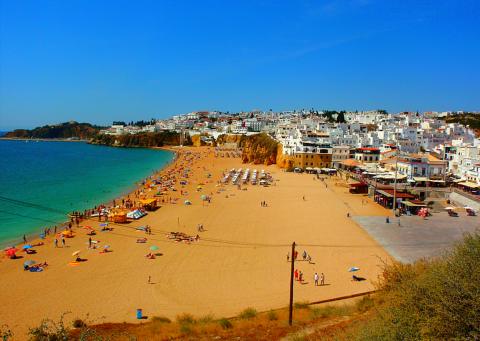
The old fishermen's beach right below the old town
Zoomarine
Marine park with shows, pools and rides in Guia
Routes through here
Every route opens in the planner as your own copy: change any stop, any night.
Sightseeing
Things to do
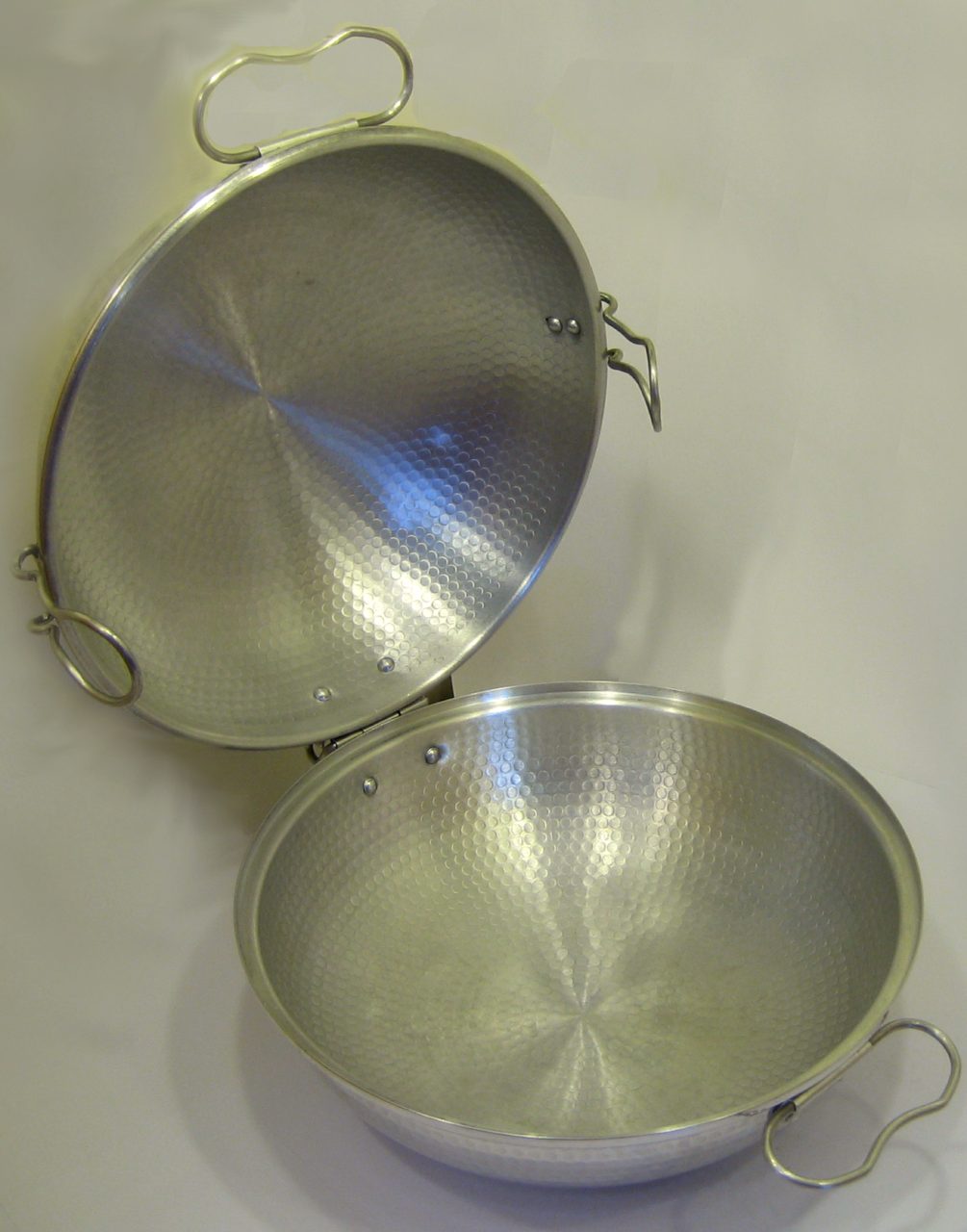
Local food and drinks
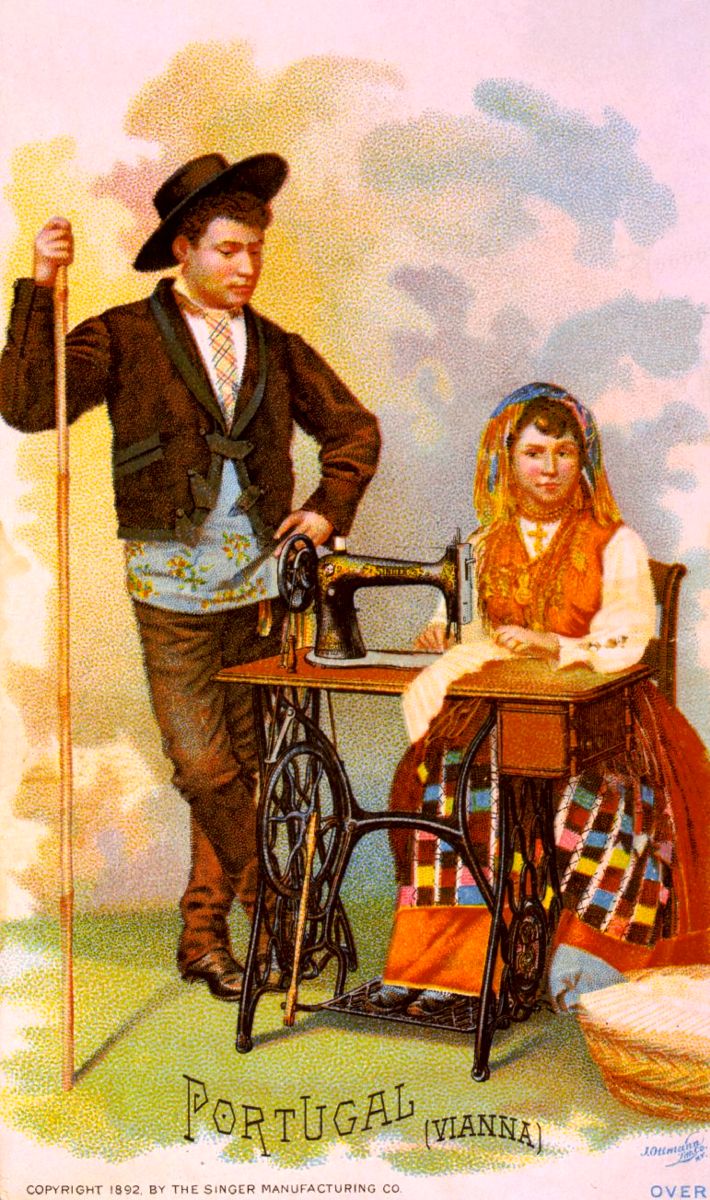
Local traditions
Do's and don'ts
Practical
At a glance
- Founded
- Settled in prehistory, Moorish era 8th century
- Population
- 22.000
- Accessibility
- The seafront and marina are fairly level, but the old town's steep, stepped lanes are hard with a wheelchair.
- Price level
- Mid-range
Things to know
History
People lived here in prehistoric times, and the Romans later settled the spot they called Baltum. The name we use today comes from the Moors, who held the town from the 8th century and called it Al-Buhera. It was a busy trading port then, though almost nothing of that era survives beyond a plaque marking the old castle in the upper town.
In the mid-13th century, the Knights of Santiago retook Albufeira for the Portuguese crown. For centuries it stayed a modest fishing community. Everything changed from the 1960s onward, when Algarve tourism took off and hotels spread along the coast. Today it is one of Portugal's best-known resort towns.
Photo: Wikipedia / Wikimedia Commons