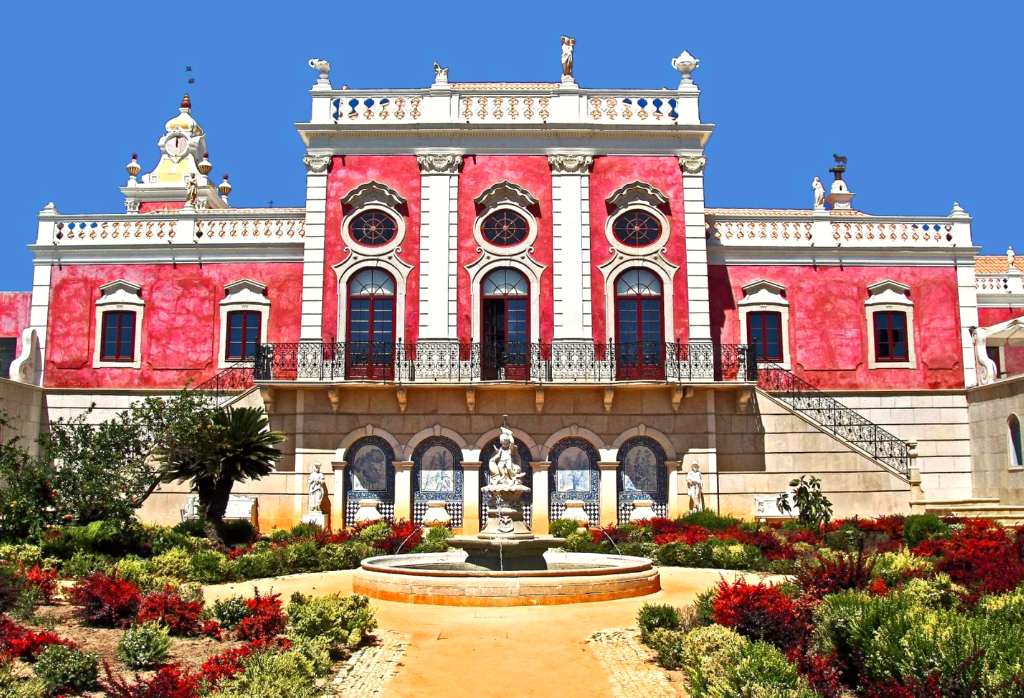
Algarve
 Apr–May, Sep–Octbest time
7 daysplan for
Yeswith kids
Apr–May, Sep–Octbest time
7 daysplan for
Yeswith kids
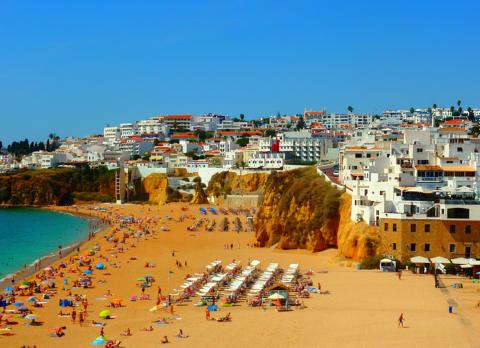
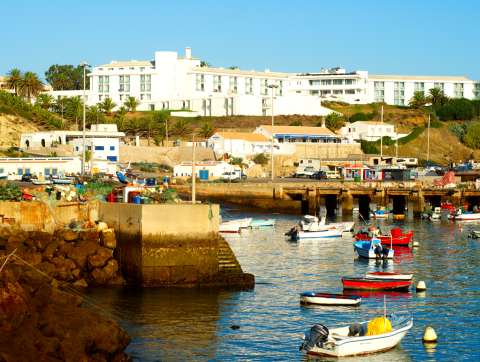
The Algarve is Portugal's southern coast, a strip of ochre cliffs, sandy coves and old fishing towns that fill up between June and September. The light here is strong most of the year, which is why the region draws golfers in winter and beach crowds in summer.
Read more
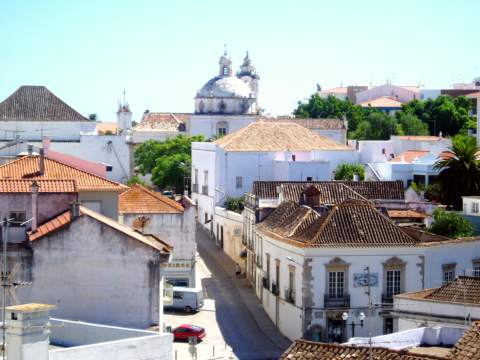
Beyond the resorts you find the quieter interior: cork oak hills, whitewashed villages and market towns like Loule. Rent a car if you can, since the coast road and the inland N125 open up beaches and towns that buses reach slowly.
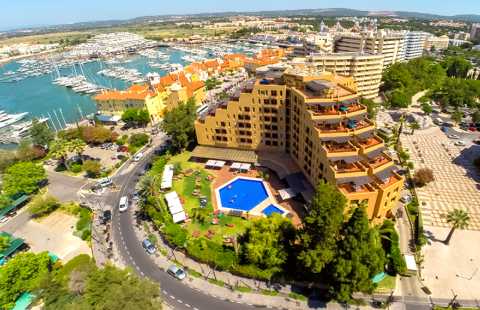
Sightseeing

Local food and drinks
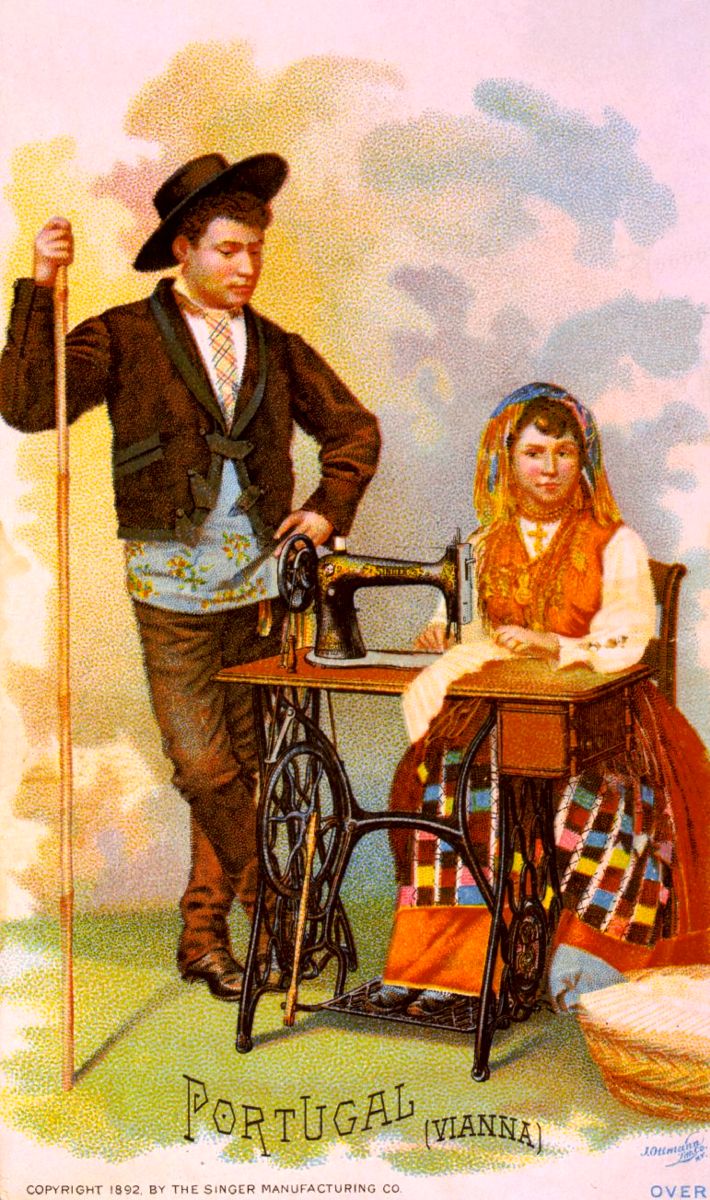
Local traditions
Practical
At a glance
- Best time
- May to June, and September for warm sea and fewer crowds
History
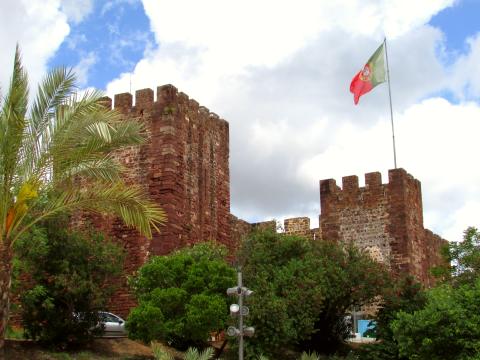
Phoenicians and Romans traded along this coast, but the name Algarve comes from the Arabic al-Gharb, meaning the west. Moorish rule lasted centuries and left the region's whitewashed houses, filigree chimneys and towns like Silves, which was once a major city.
Christian forces took the Algarve in the 13th century. In the 15th, Prince Henry the Navigator based his voyages near Sagres, launching Portugal's age of exploration. The 1755 earthquake and tsunami wrecked much of the coast. Mass tourism arrived from the 1960s, and Faro's airport turned fishing villages into resorts.
Photo: Wikipedia / Wikimedia Commons