



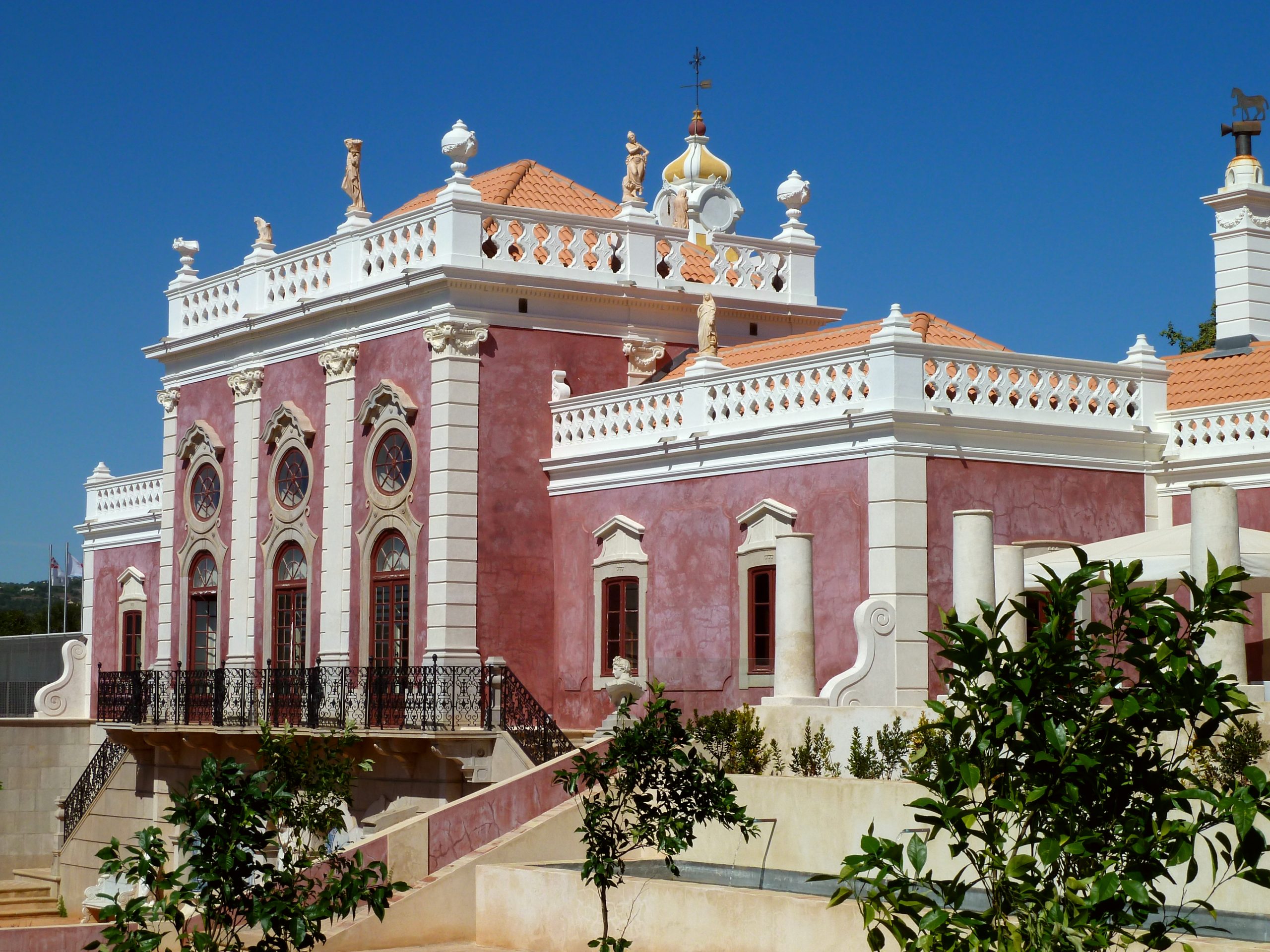
A glimpse of Estoi Palace's charm
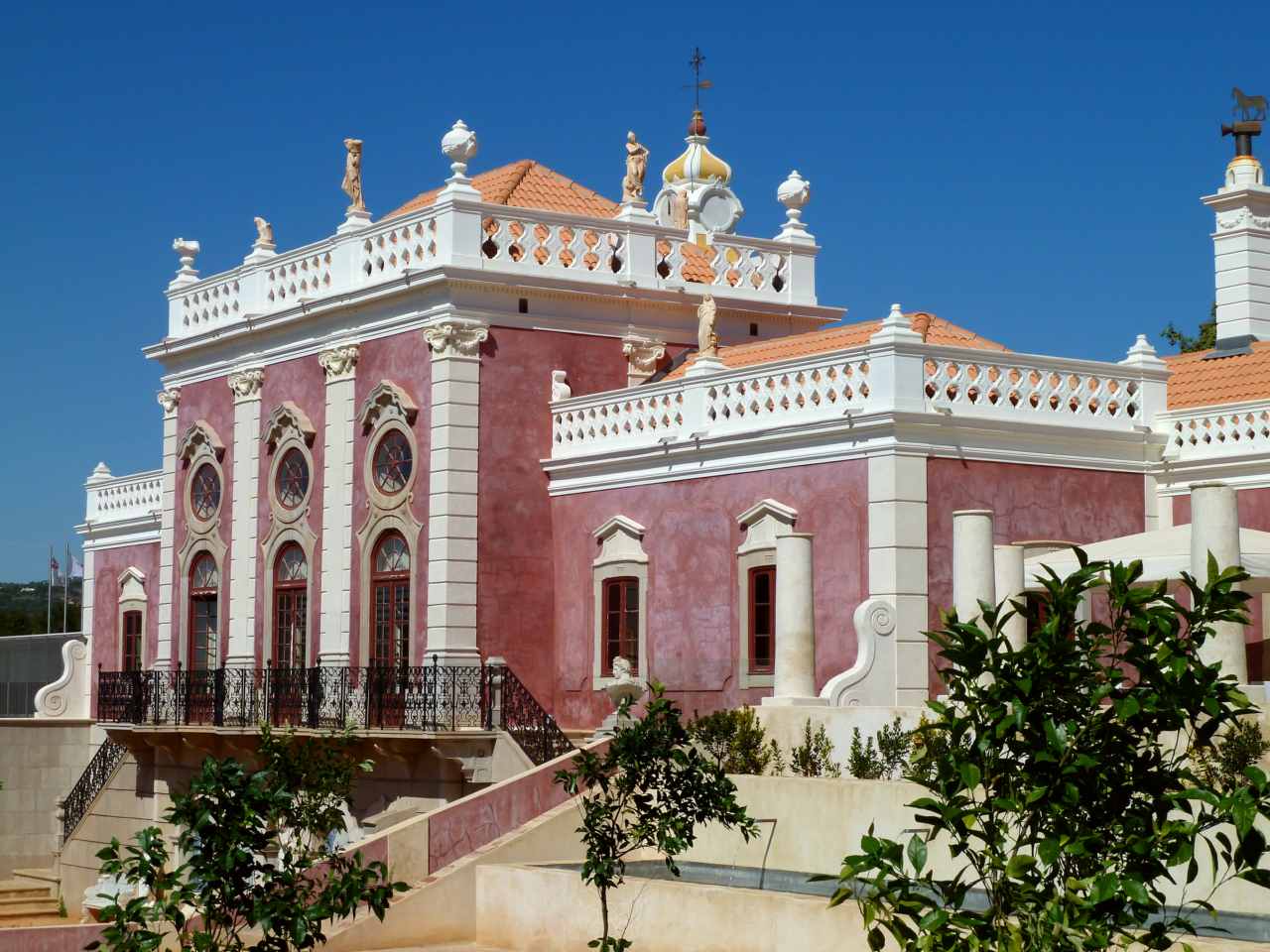
Just a short drive from Faro, Estoi Palace offers a taste of history and beauty. The palace, built in the late 19th century, features colorful tiles and lush gardens. Visitors can stroll through the manicured grounds, taking in the views of the surrounding countryside. The area is quiet, making it a perfect escape from the city hustle. If you have time, explore the nearby village of Estoi, where you can find local cafes serving traditional Portuguese pastries. The drive itself is scenic, with rolling hills and olive groves lining the route.
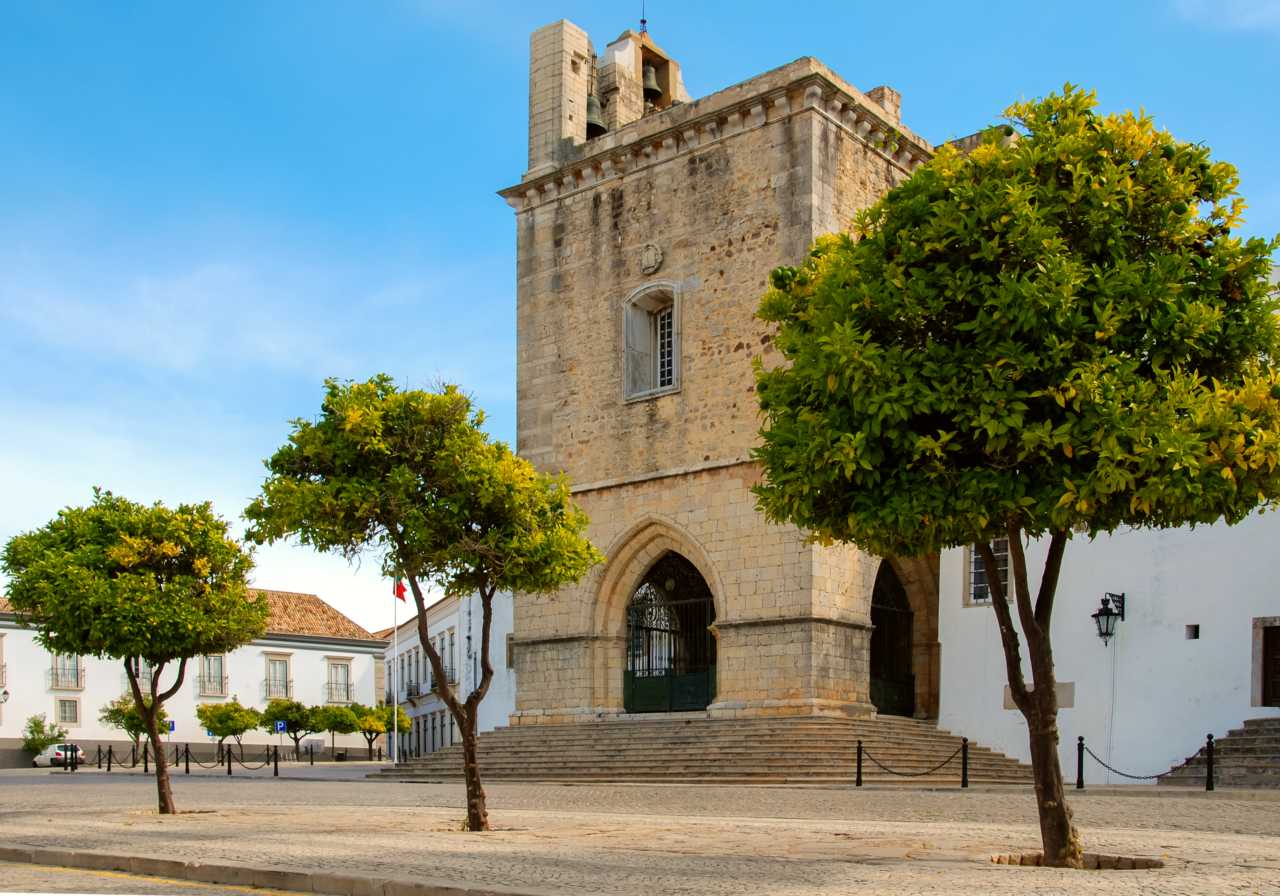
Stroll through Faro's charming old town
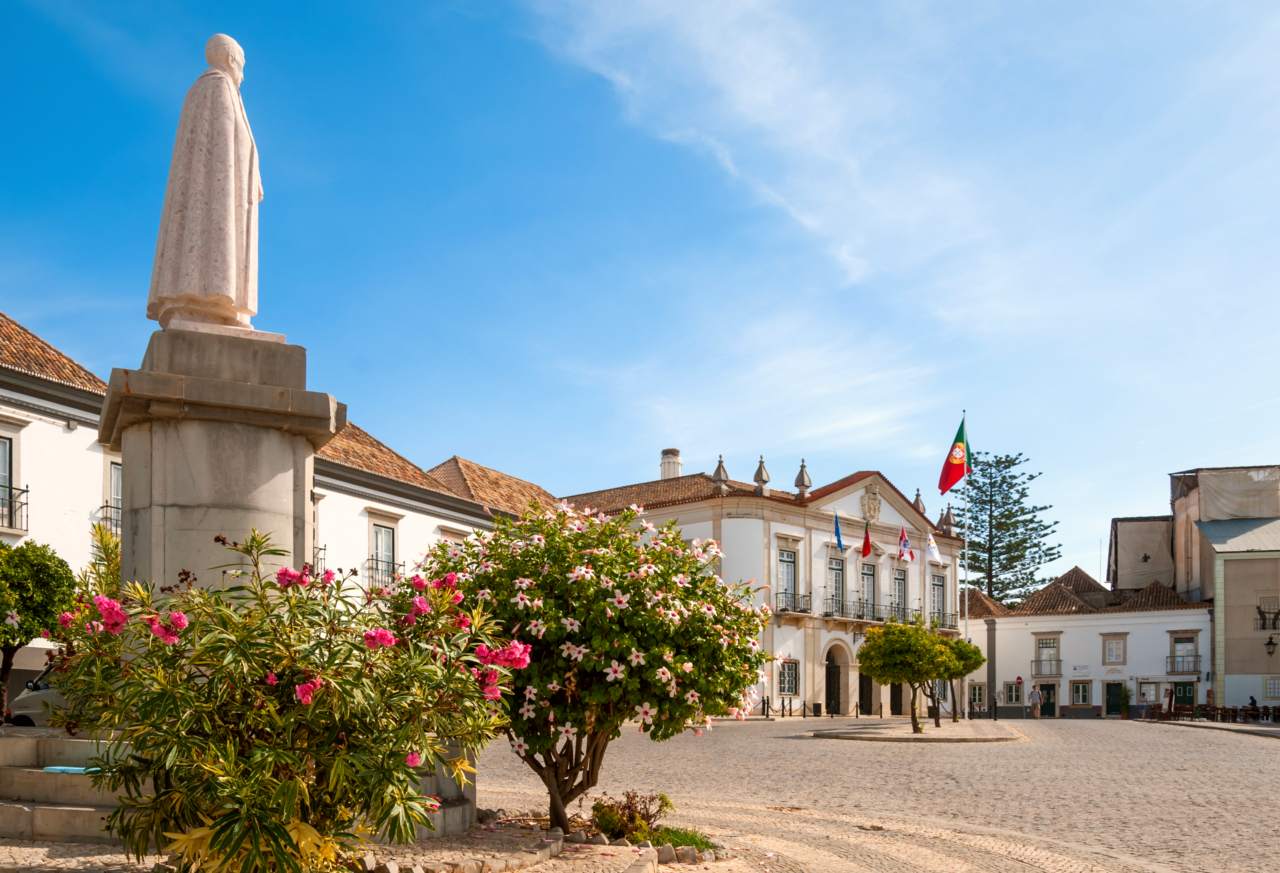
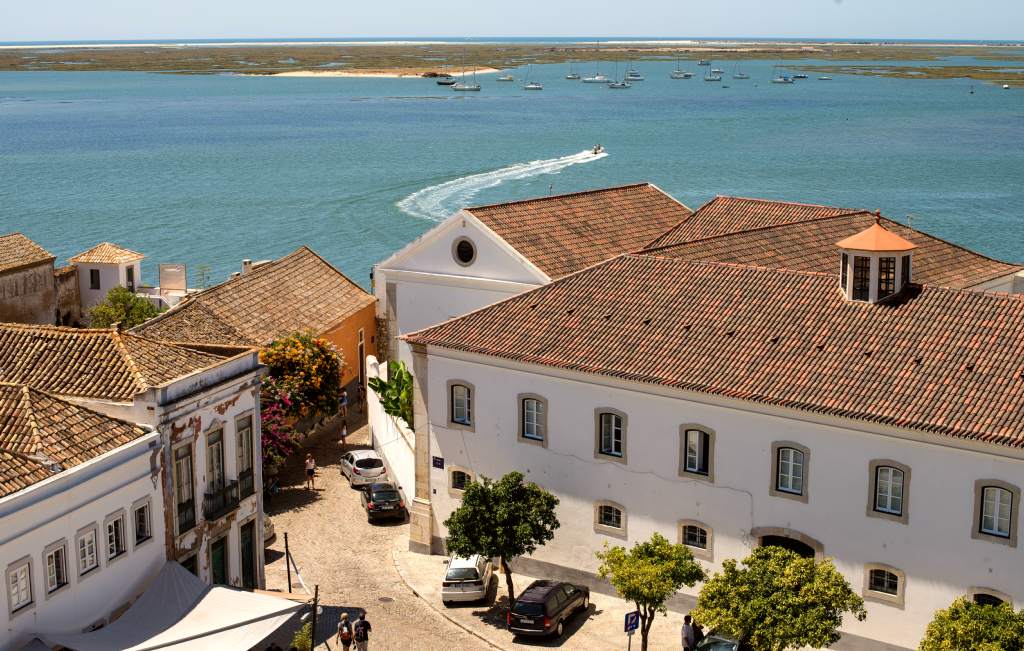
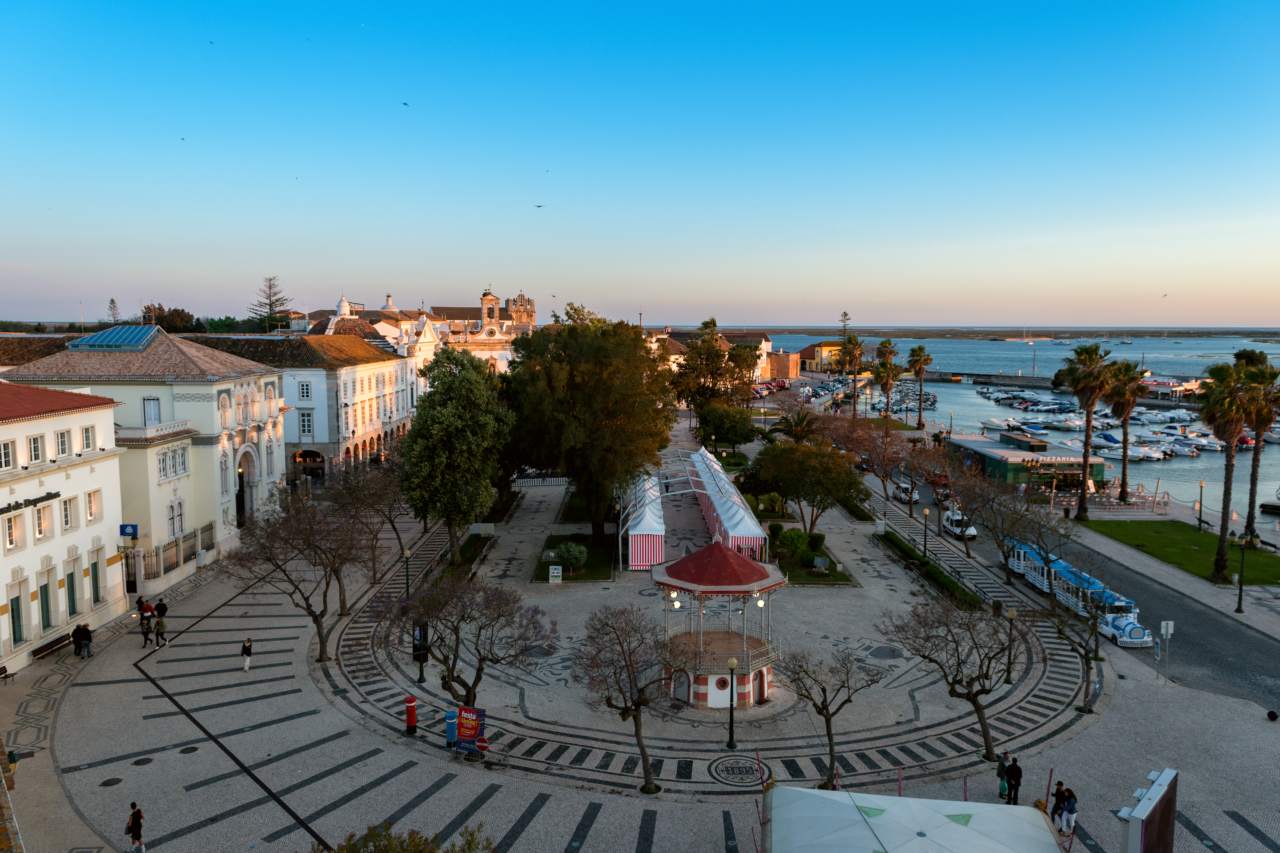
Faro's old town, known as Cidade Velha, is a delightful area to explore on foot. The cobbled streets are lined with whitewashed buildings and small shops selling local crafts. Stop by the Arco da Vila, a beautiful archway that marks the entrance to the old town. Inside the walls, you can find the Cathedral of Faro, which dates back to the 13th century. Take a moment to enjoy a coffee at one of the outdoor cafes while watching the world go by. This area is especially peaceful in the off-season, when the crowds thin out and the atmosphere is relaxed.
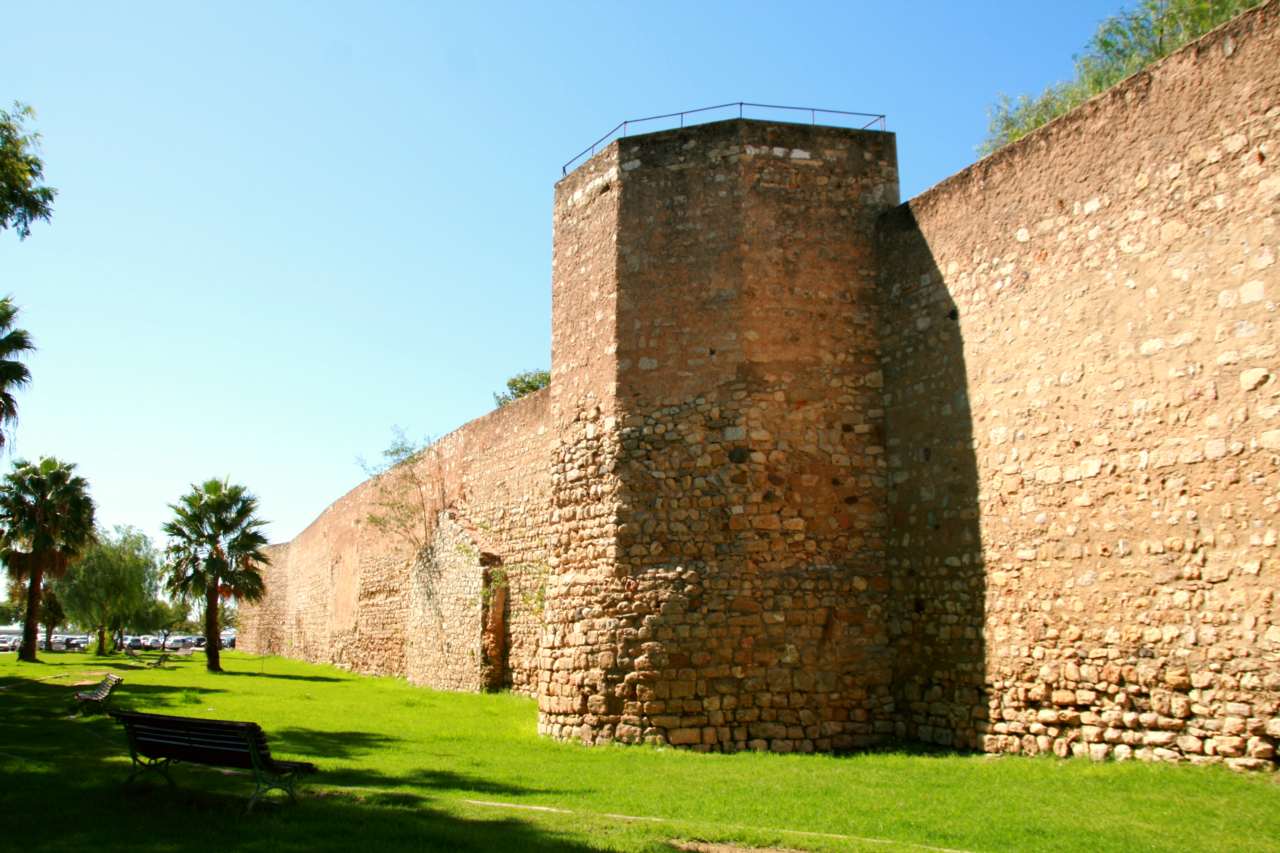
Walk along the ancient city walls
The 16th-century city walls of Faro are a significant part of its history. You can walk along sections of the walls for a unique perspective of the city and the lagoon beyond. The views from the top are worth the climb, especially at sunset when the sky turns golden. Along the way, you will find informative plaques detailing the history of the walls and the city. This experience is often overlooked by tourists rushing to the beach, making it a peaceful spot to reflect on Faro's past. Bring a camera to capture the blend of history and natural beauty.