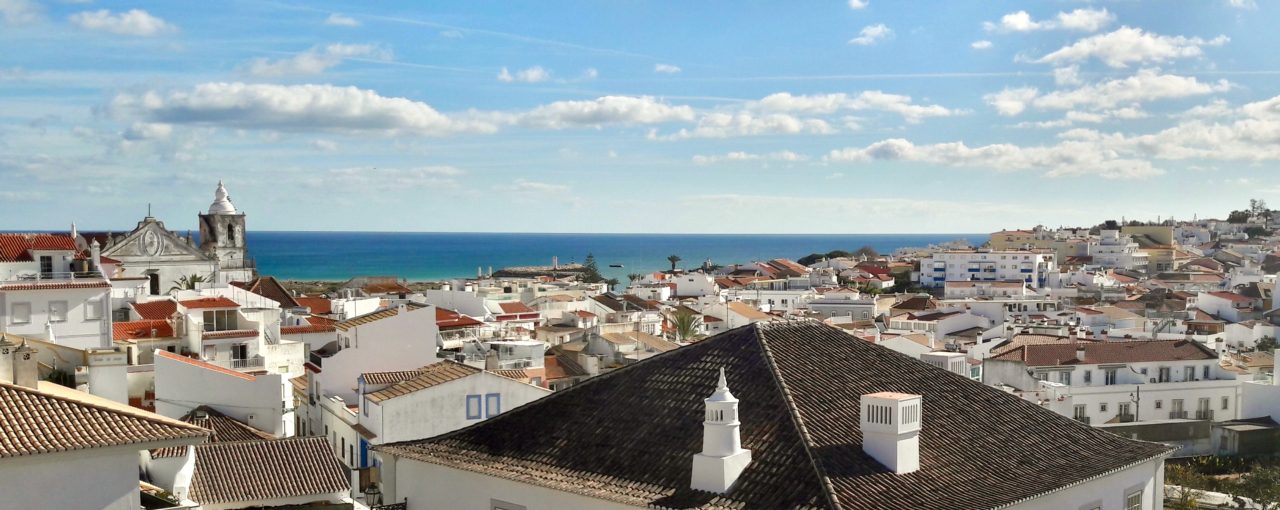
Lagos
The Lagos in the Algarve is a small port town on Portugal's south coast, wrapped around a marina and an old walled center of cobbled lanes. Fishing boats still work the harbor, and the cliffs just west turn gold in late afternoon.
Read more
It fills up in July and August, then empties out. Come in May, June or September and you get warm water, open restaurants and space to breathe. The old town is walkable and human-scaled, easy to cross on foot in ten minutes.
Highlights
Forte da Ponta da Bandeira
Small seafront fort at the harbor mouth
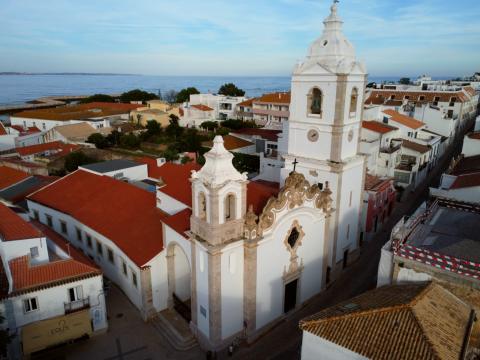
Igreja de Santo Antonio
Gilded baroque interior in a plain shell
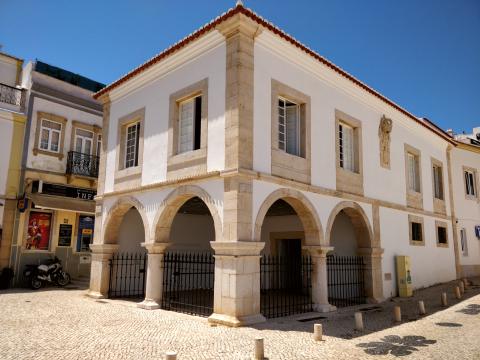
Mercado de Escravos
Memorial on the site of Europe's early slave sales
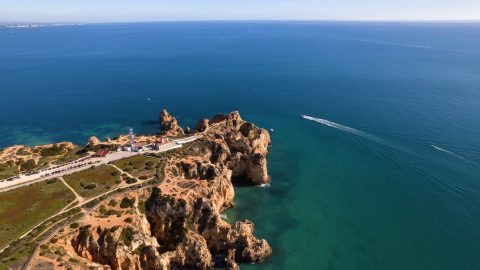
Ponta da Piedade
Golden sea cliffs and grottoes, the town's signature view
Praia Dona Ana
Cove beach ringed by orange rock
Praia da Meia Praia
Long flat sand strip east of the marina
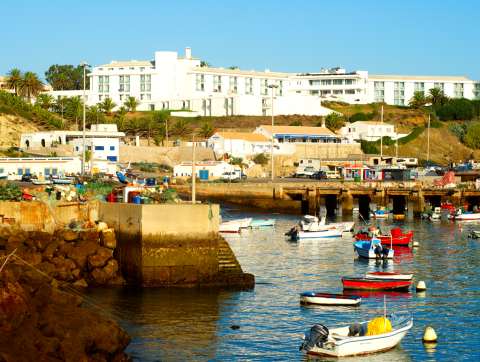
Sagres
Historic town with beautiful coastal views
Routes through here
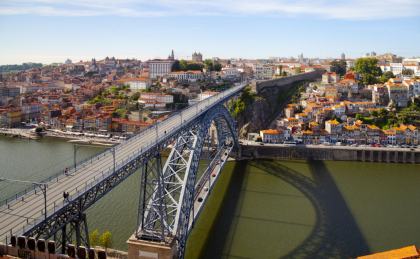
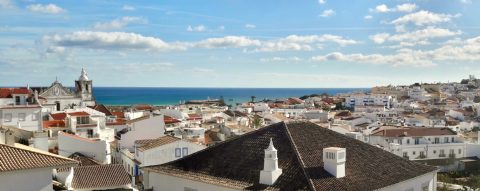
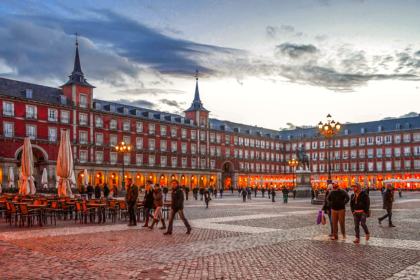
Every route opens in the planner as your own copy: change any stop, any night.
Sightseeing
Things to do
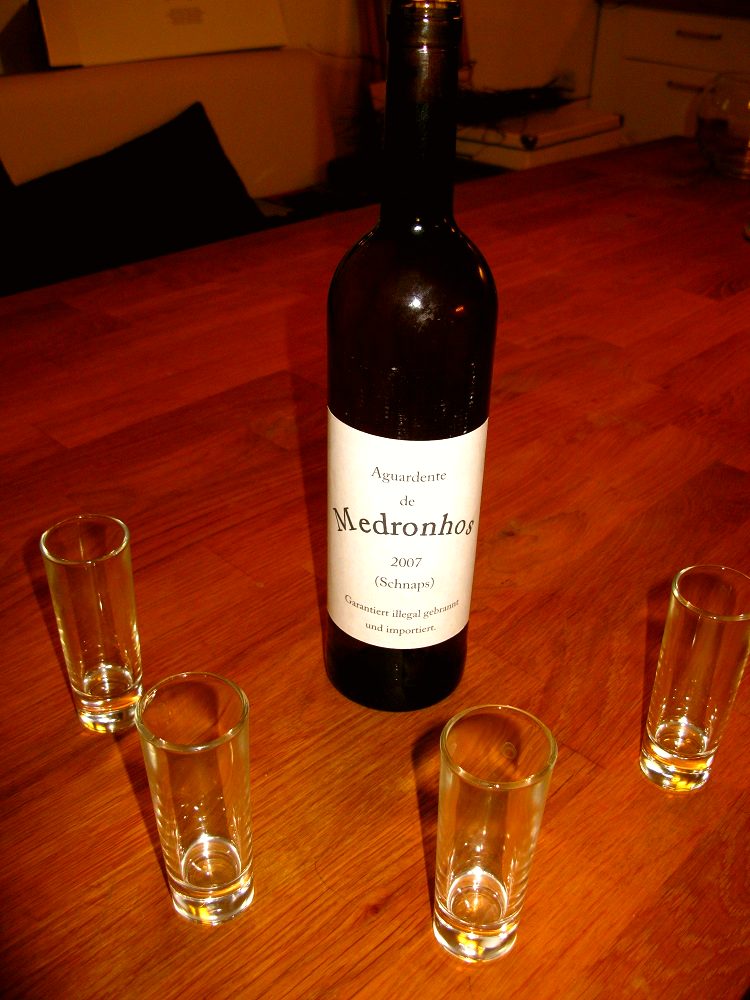
Local food and drinks
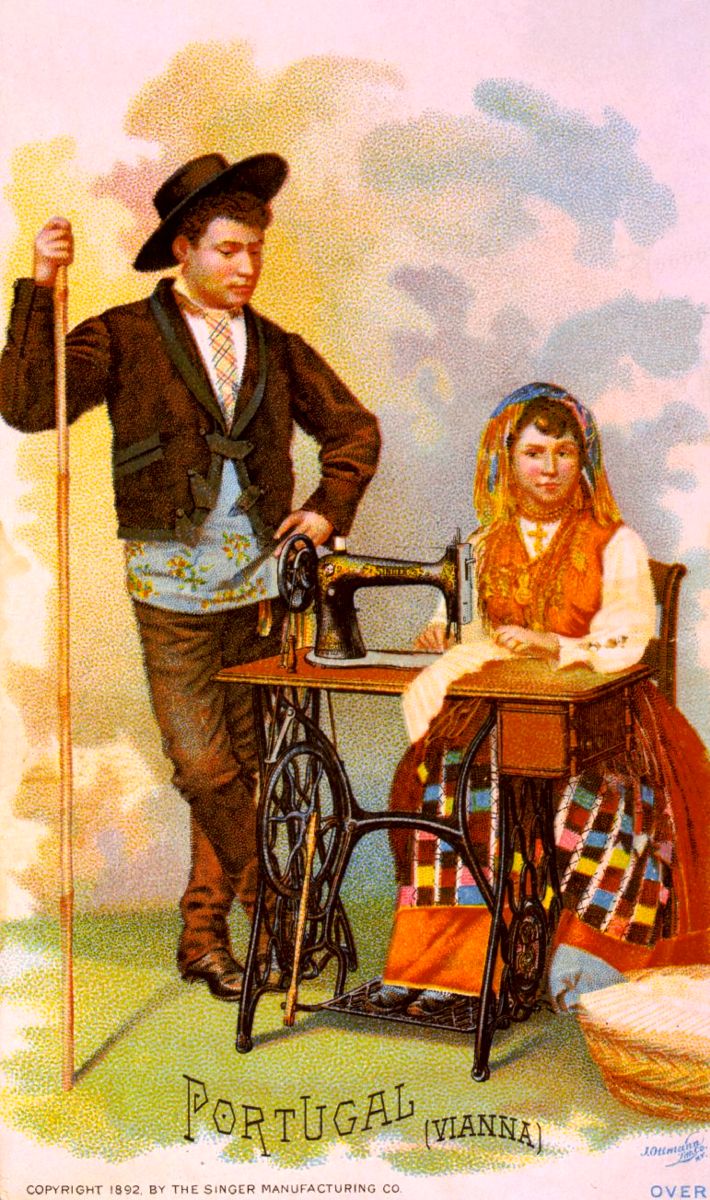
Local traditions
Do's and don'ts
Practical
At a glance
- Founded
- Settled by Phoenicians around 1000 BC
- Population
- 22.000
- Accessibility
- The flat old town and marina are workable, but cliff beaches involve steep stairs.
- Price level
- Mid-range
Things to know
History
Phoenicians and Carthaginians used this harbor long before the Romans arrived, drawn by the sheltered bay. Under Moorish rule the town was called Zawaia. Christian forces took it in the 13th century.
In the 15th century Lagos became a launching point for Portuguese voyages down the African coast, and in 1444 it held the first sale of enslaved Africans in Europe, a fact the town now marks openly. Lagos served as the Algarve's capital until 1755, when the great Lisbon earthquake and its tsunami wrecked much of the town.
Photo: Wikipedia / Wikimedia Commons