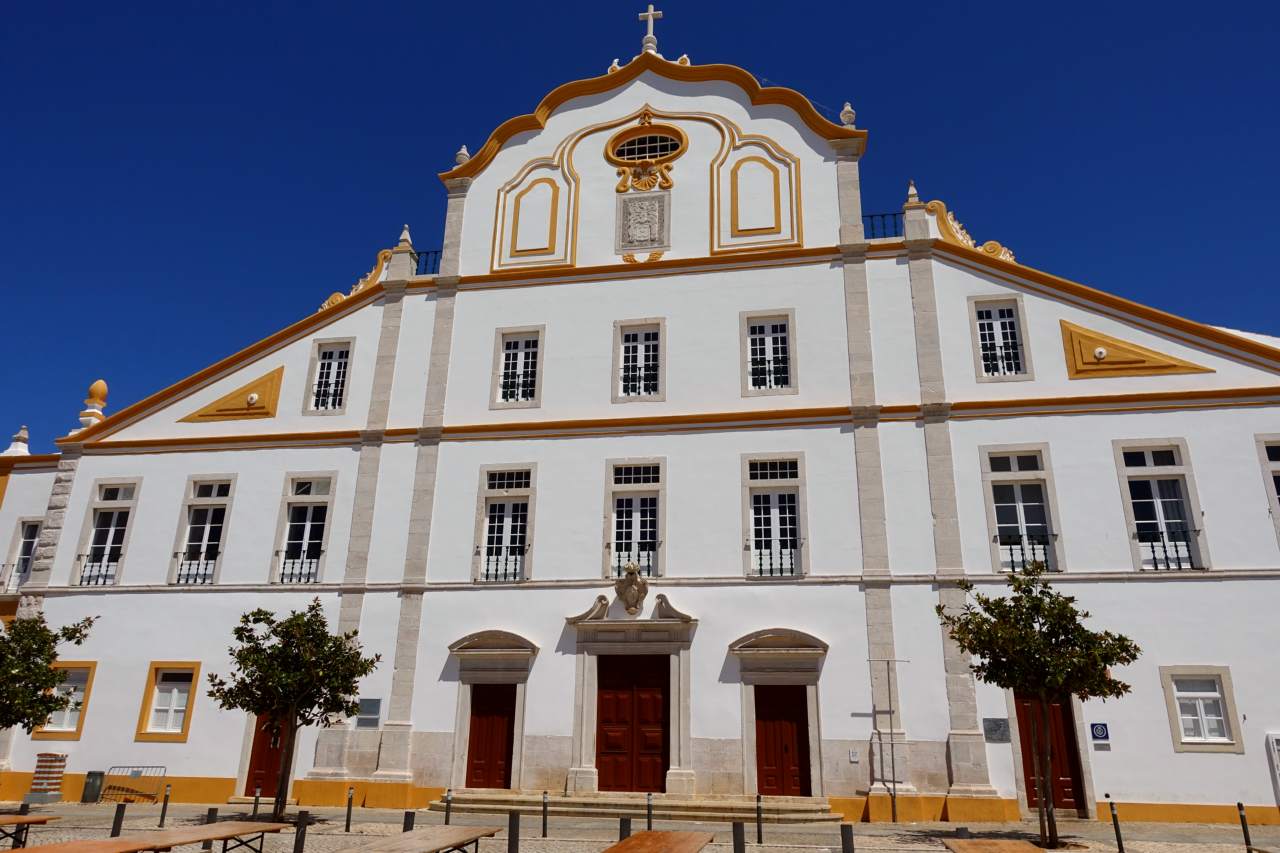
Portimao
Portimao sits on the Arade river where it meets the Atlantic, a working town more than a resort, though the beach suburb of Praia da Rocha does most of the tourist lifting. The old center is compact: tiled facades, a pedestrian shopping street on Rua do Comercio, and a riverside promenade where the sardine boats used to unload.
Read more
Come for the seafood and the beach, not for polish. Summer packs Praia da Rocha with sunbeds and bars, while the town itself keeps a plainer, everyday rhythm. Spring and autumn are calmer and warmer than you might expect.
Highlights
Benagil Cave (boat departure)
Famous sea cave reached by boat from the marina.
Forte de Santa Catarina
Clifftop fort at the river mouth.
Igreja Matriz de Portimao
Parish church with a surviving Manueline portal.
Museu de Portimao
Old sardine cannery telling the fishing story.
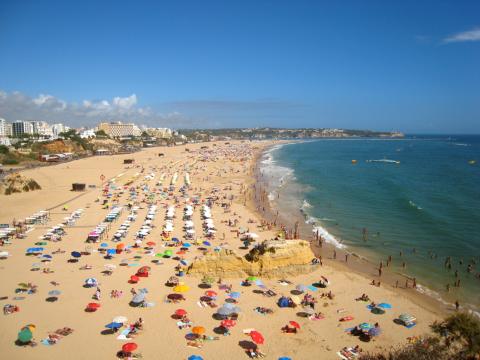
Praia da Rocha
The main beach, wide sand under ochre cliffs.
Sightseeing
Things to do
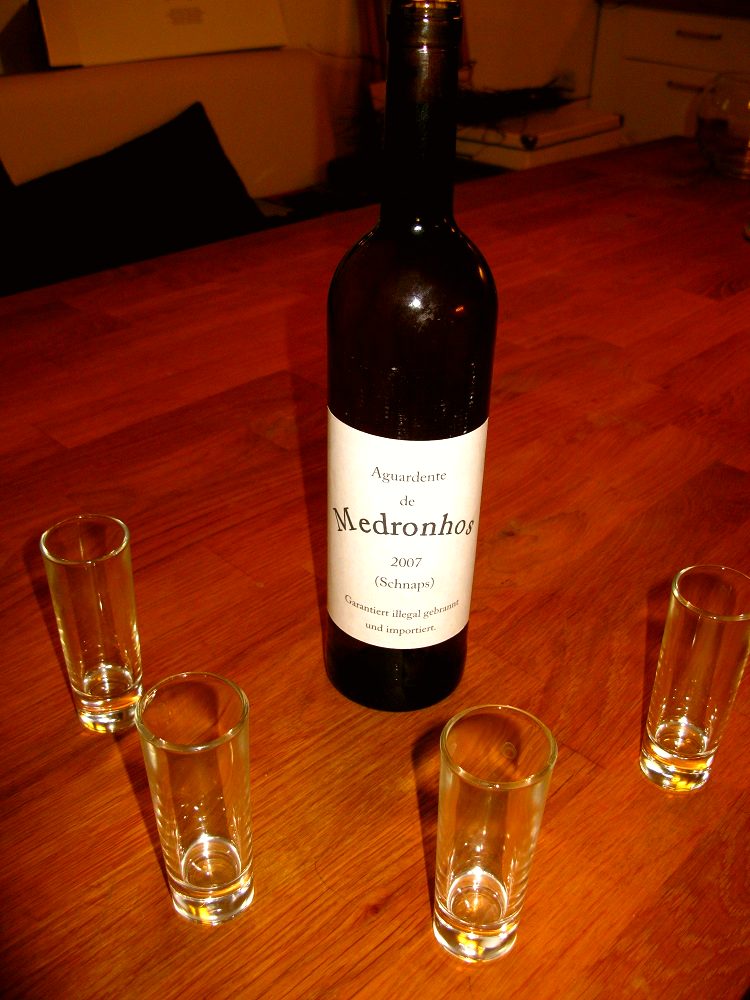
Local food and drinks
Local traditions
Do's and don'ts
Practical
At a glance
- Founded
- Chartered in 1476
- Population
- 60.000
- Accessibility
- Praia da Rocha promenade and the flat old center are workable, but clifftop paths and boat access involve steps.
- Price level
- Mid-range
Things to know
History
Portimao grew from a river crossing the Romans and later the Moors used, its name a corruption of an older port toll. It became a proper town in 1476 when King Afonso V granted it a charter, hoping to spur the coastal trade. The 1755 Lisbon earthquake flattened much of it, so most of what you see is later rebuilding.
The 19th and 20th centuries ran on fish. Canning factories lined the Arade, salting and tinning sardines and tuna for export until the industry collapsed in the 1970s. Tourism filled the gap, and Praia da Rocha, once a quiet cliff beach, became the town's economic engine.
Photo: Wikipedia / Wikimedia Commons