search
search
add New trip
Sagres

Sagres

Population: 2.000 Since: Nautical fame from early 1400s Price: Mid-range

Introduction

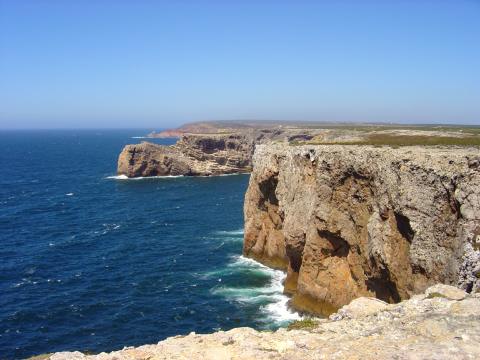
Sagres sits at the far southwest of the Algarve, where the land runs out and the Atlantic takes over. It is a small parish in the Vila do Bispo municipality, more windblown outpost than resort. Surfers come for the swell, cliff walkers come for the emptiness, and everyone eventually stands at the edge watching the ocean.

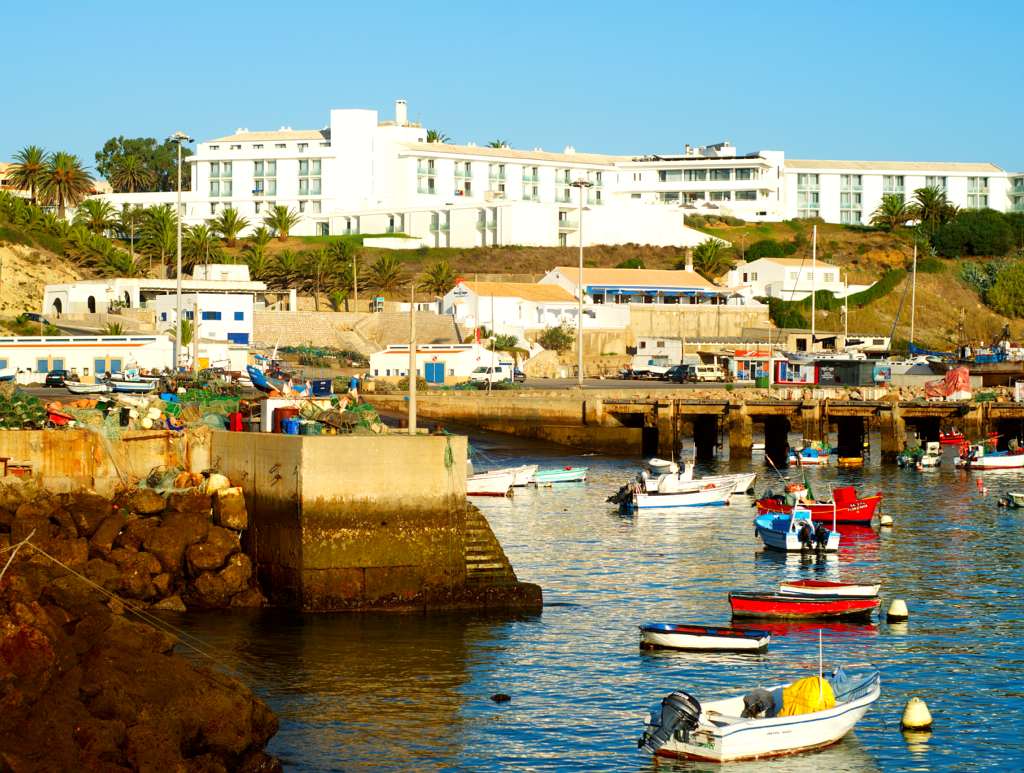
The town itself is low and plain: a few streets, a fishing harbour at Baleeira, and beaches within walking distance. Winters are quiet and many places close. Summer brings a young, easygoing crowd who care more about wind direction than nightlife.

Sightseeing

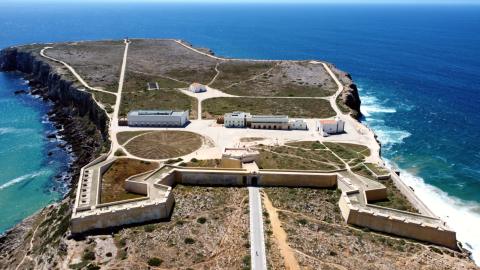
Fortaleza de Sagres: 15th-century clifftop fort, national monument, entry 10€.
Ponta de Sagres: The promontory where the fort sits, big Atlantic views.
Cabo de Sao Vicente: Europe's southwestern tip, dramatic cliffs and sunsets.
Lighthouse: The red-topped light at the cape, one of the brightest in Europe.
Rosa dos Ventos: Large stone wind compass inside the fort grounds.

"Where Europe meets the open Atlantic"Sagres

Things to do

Surfing: West-coast beaches like Beliche and Tonel catch consistent Atlantic swell.
Beach days: Mareta is the calmest and closest for swimming.
Cliff walking: Follow the paths along Ponta de Sagres and out toward the cape.
Sunset at Cabo de Sao Vicente: Arrive early in summer, the parking fills.
Birdwatching: Autumn migration brings raptors and seabirds along the coast.
Boat trips: Dolphin and cave tours run from Baleeira harbour.
Local food and drinks - Sagres

Local food and drinks

Sagres beer: The national lager shares the town's name, order one on principle.
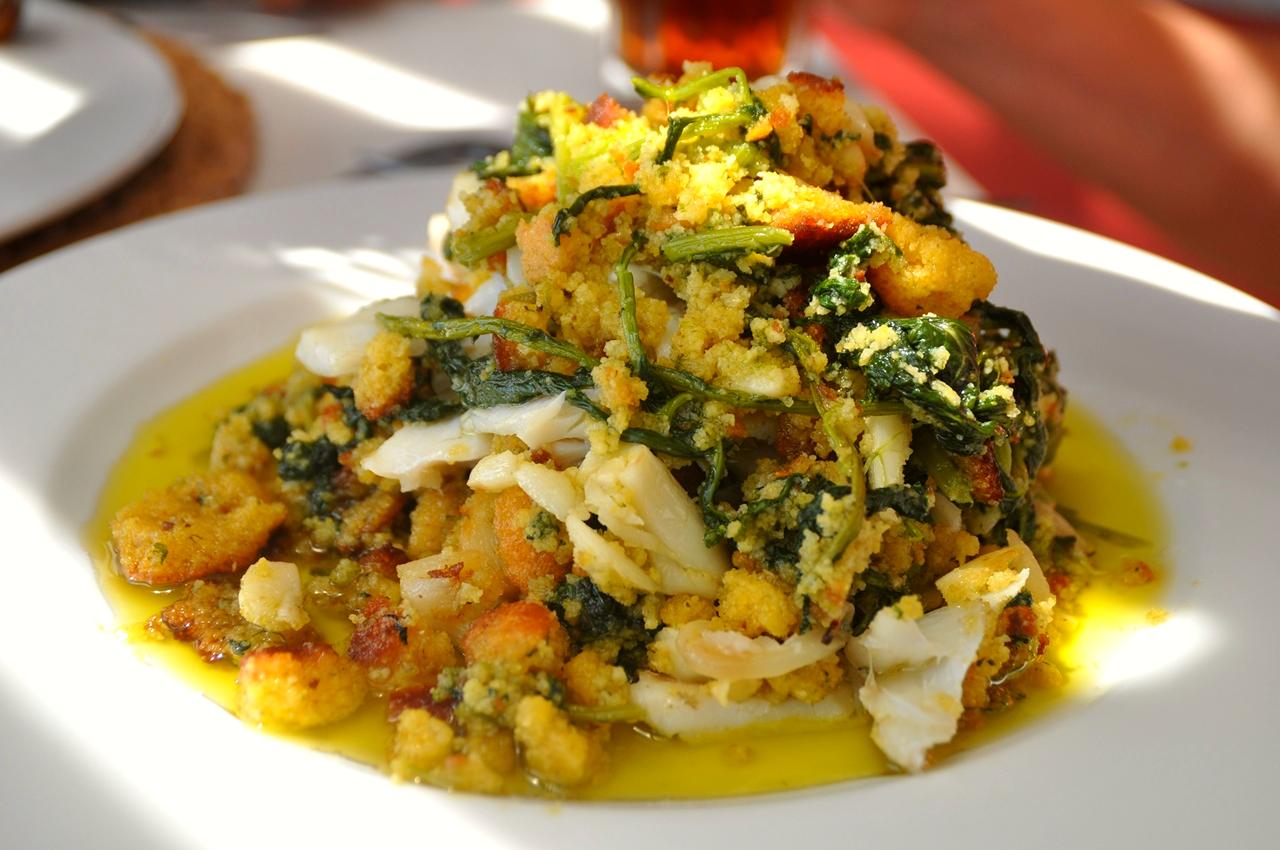
Grilled fish: Fresh catch from Baleeira, often sea bass or dourada.
Percebes: Goose barnacles, an Algarve delicacy, priced by weight.
Bossa Nova Pizzeria: Rua Comandante Matoso, wood-fired pizzas, evenings only.
Agua Salgada: Casual bar and food on the main street, closed Mondays.
Local traditions - Sagres

Local traditions

Fishing life: Baleeira harbour still lands the day's catch, watch the boats return.
Henry the Navigator legacy: The town leans on its role in Portugal's age of exploration.
Summer festas: Small local celebrations with music and grilled food in July and August.
Seafood feasts: Locals gather over long shared plates of shellfish.

History

Sagres is tied to Prince Henry the Navigator, who in the early 1400s is said to have run a nautical centre here that helped launch Portugal's ocean voyages. The famous school itself has left no clear ruins, and historians still argue over how much really happened on this headland. What is certain is that the fort commanded a strategic corner of the Atlantic.

In May 1587 Sir Francis Drake landed around 800 men and stormed the fortress. After roughly two hours of fighting the defences fell and the guns were carried off. The fort was rebuilt over the following centuries, and the current walls give a sense of that long, exposed frontier.

Things to know

Fort tickets are sold only at the gate, no official online booking exists.
Wind is constant here, bring a layer even on warm days.
Buses to Sagres are infrequent, a car makes visiting the cape far easier.
Many restaurants and hotels shut or reduce hours from November to March.

Do's and don'ts

Try a cold Sagres beer where the name comes from.
Check surf and wind reports before picking a beach.
Arrive at Cabo de Sao Vicente early for sunset parking.
Carry cash for smaller bars and beach spots.
Don't expect nightlife beyond a few relaxed bars.
Don't swim at exposed beaches without checking currents.
Don't rely on frequent public transport to the cape.
Don't leave the fort visit for a stormy day, it is fully open to the wind.

Good to know

Accessibility: Fort and cape have paved areas but uneven ground and strong wind make wheelchair use tiring.
Price level: mid-range

Photo: Wikipedia / Wikimedia Commons