Silves
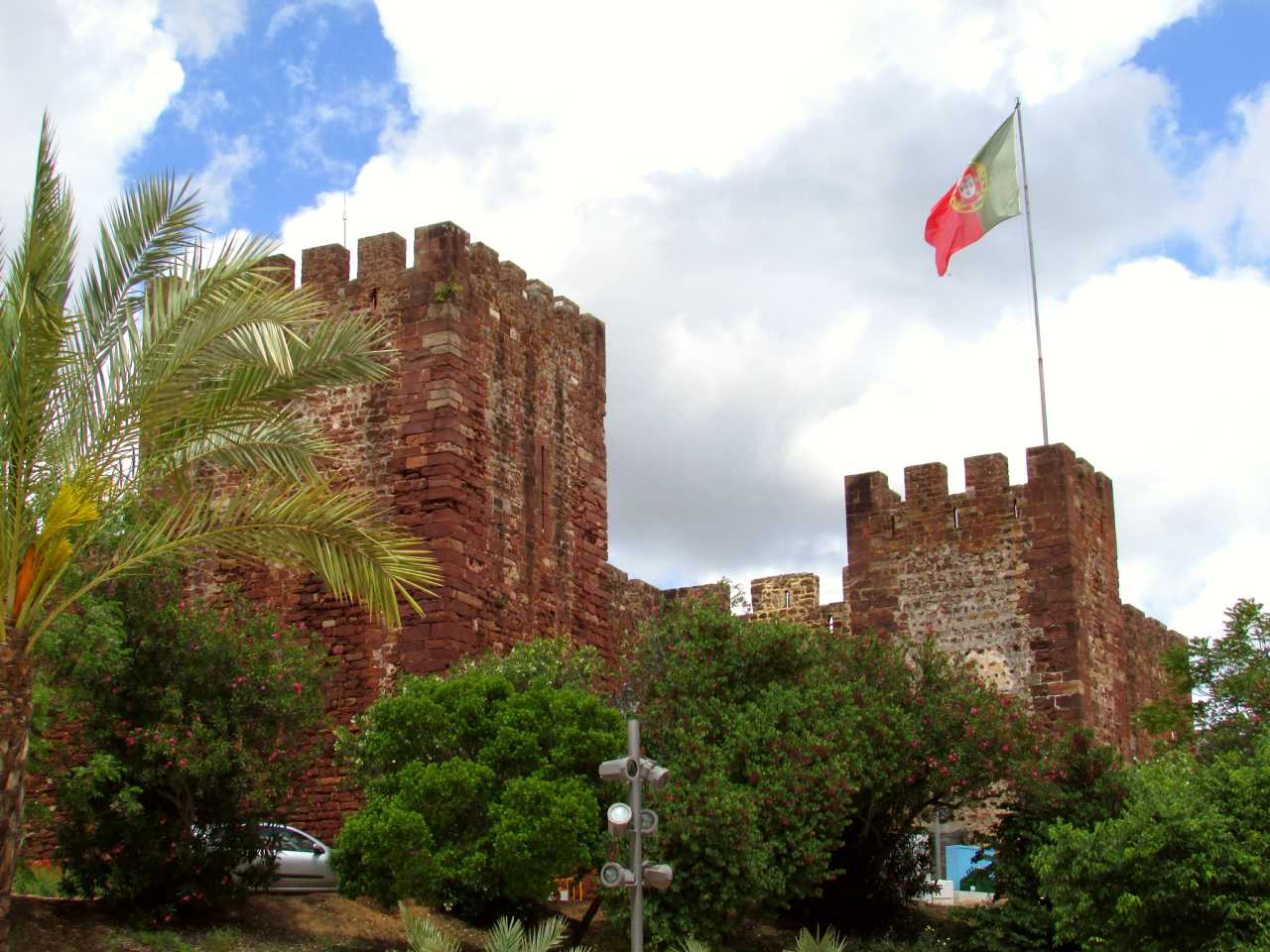
Silves sits above the Arade river, its red sandstone castle visible from the road in long before you arrive. This was the Moorish capital of the Algarve, and it still feels quieter and more inland than the beach towns to the south. The old center is a climb of narrow streets up to the walls.
Read more
Most visitors come for half a day, then move on. Give it longer. The town is small, about 11,000 people, and rewards a slow walk, an orange juice in the shade, and time inside the castle when the tour buses have gone.
Highlights
Cruz de Portugal
Carved limestone cross from the early 1500s at the town edge.
Sand City (FIESA)
Huge sand sculpture festival in Pera, lit up at night in summer.
Se de Silves (Cathedral)
Gothic church raised after 1249 on the site of the old mosque.
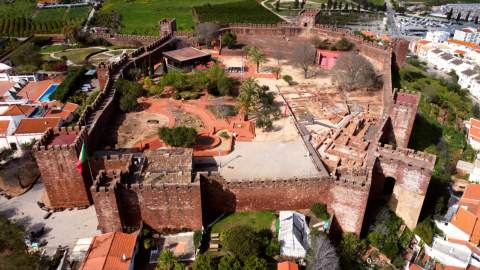
Silves Castle
Best preserved Moorish castle in Portugal, with wall walks over the valley.
Sightseeing
Things to do
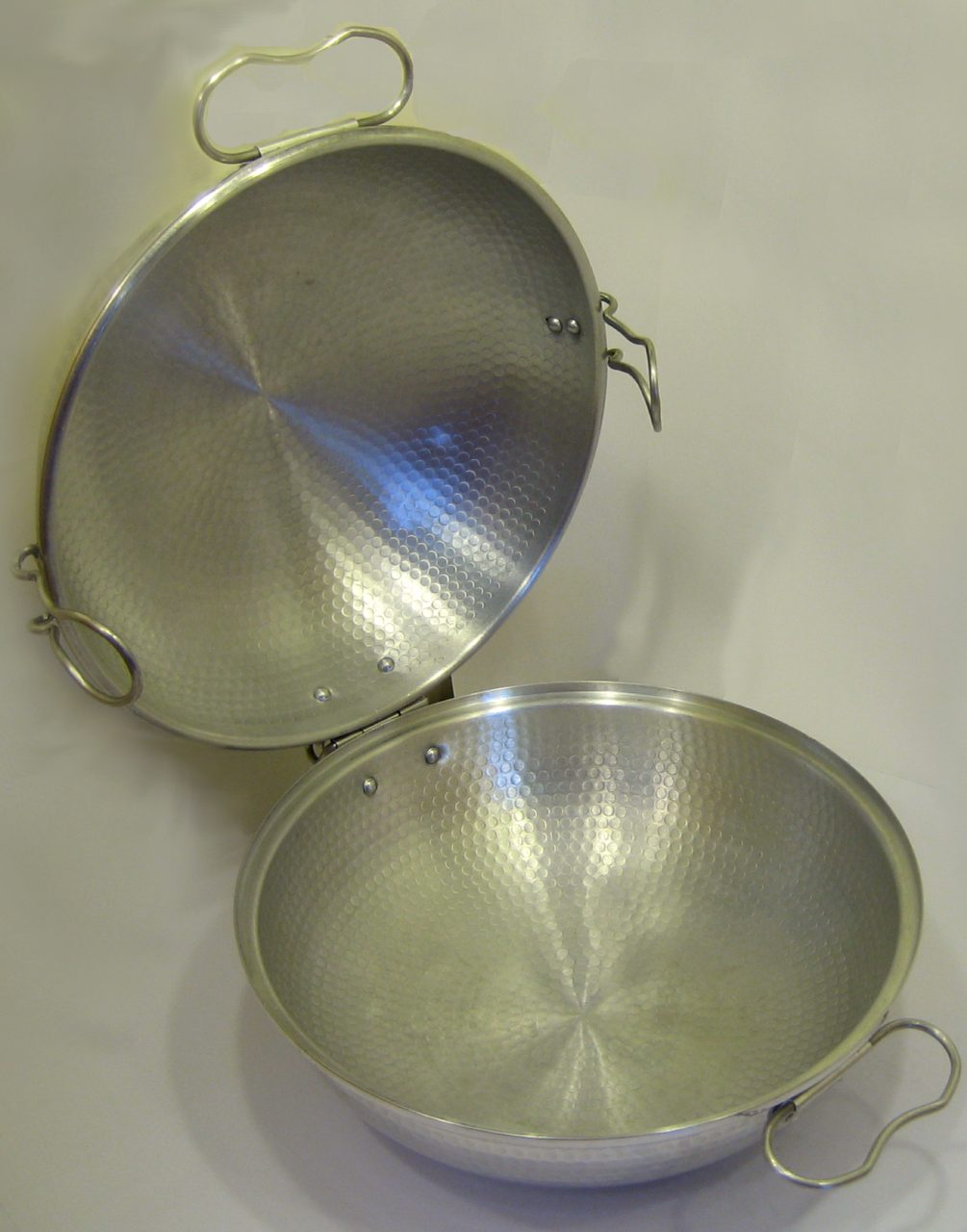
Local food and drinks
Local traditions
Do's and don'ts
Practical
At a glance
- Founded
- Roman era, Moorish capital by the 11th century
- Population
- 37.000
- Accessibility
- The riverfront is flat, but the old town and castle involve steep cobbled climbs that are hard with limited mobility.
- Price level
- Mid-range
Things to know
History
Silves was already important under the Romans, then flourished under Muslim rule as Xelb, capital of the Algarve and a center of trade and learning. The castle you see today is Moorish in origin, its walls built of rammed earth. The river connected it to the sea, and ships once reached the town directly.
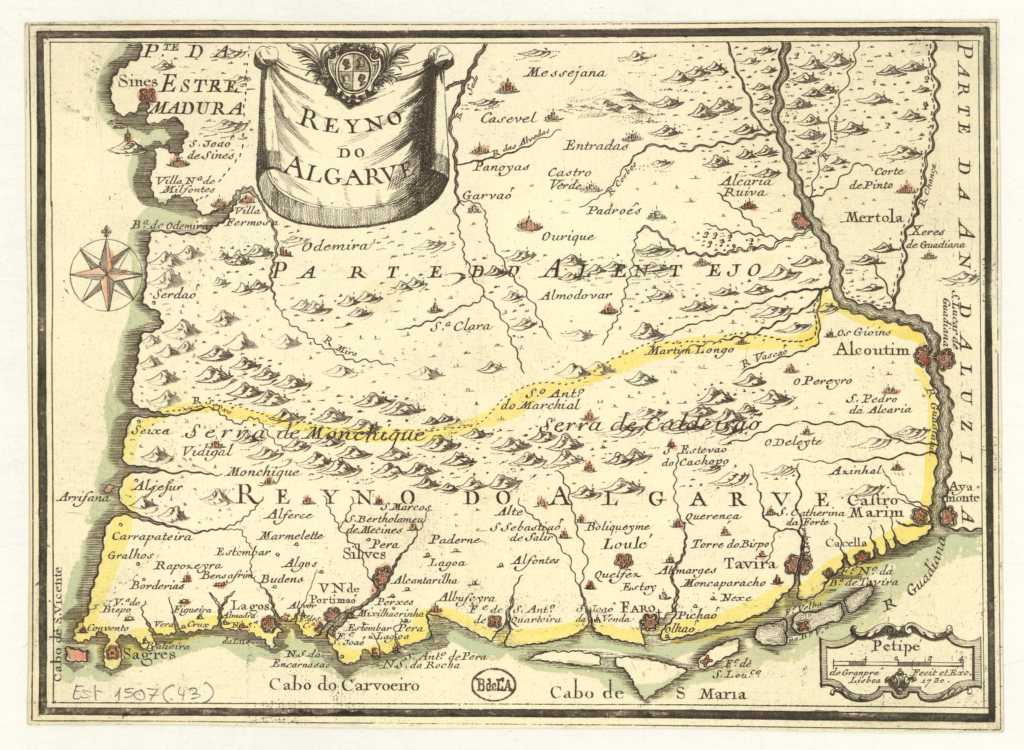
Christian forces took the town in 1189, lost it, and captured it for good in 1249. From then the Portuguese king carried the title King of the Algarve, used until 1822. The 1755 earthquake and the silting of the Arade both hurt the town, and it slipped from capital to quiet market center, which is more or less what it remains.
Photo: Wikipedia / Wikimedia Commons