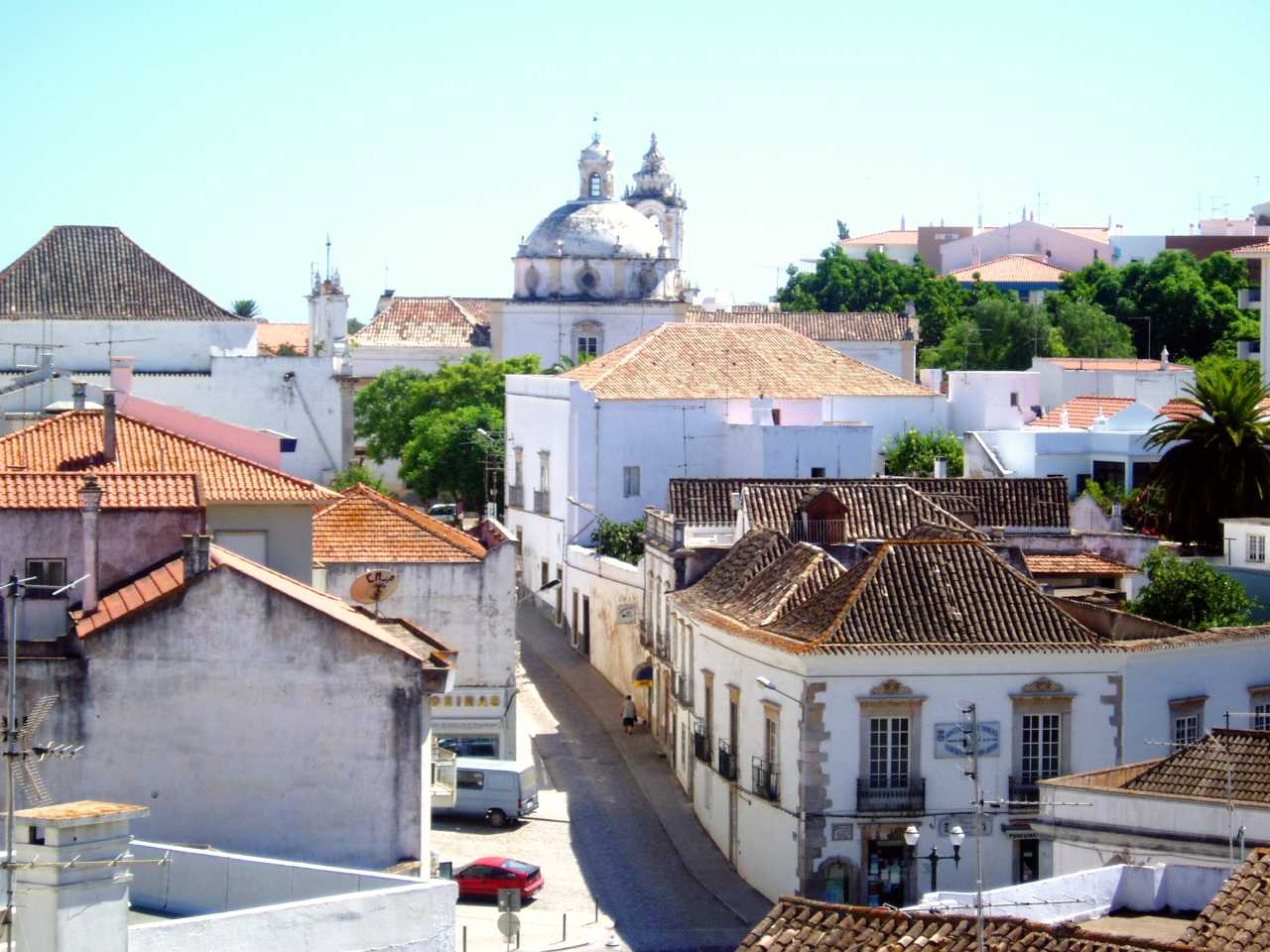
Tavira
Tavira sits on the Gilao river where the Algarve slows down. The old town splits across two banks joined by a low arched bridge, with a Roman era foundation underneath it. Traffic thins in the lanes above the river, and you hear church bells more than scooters. Around 13,000 people live in the city proper, and it never quite tips into the crowds you find at Albufeira.
Read more
The draw is the mix: a hilltop castle, more than thirty churches, and the Ria Formosa lagoon a short boat ride away. Beaches are on offshore islands, so getting sand between your toes means a ferry or the little train to Praia do Barril. Summer fills up, but spring and autumn stay calm and warm.
Highlights
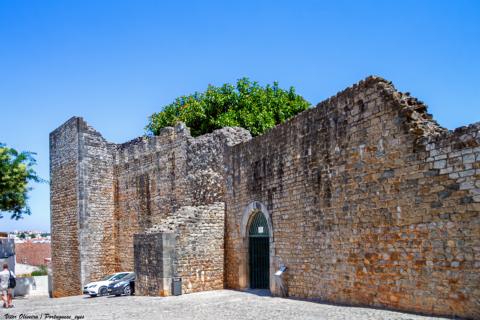
Castelo de Tavira
Moorish walls with the best view over town
Igreja da Misericordia
Renaissance church with a carved portal and tiles
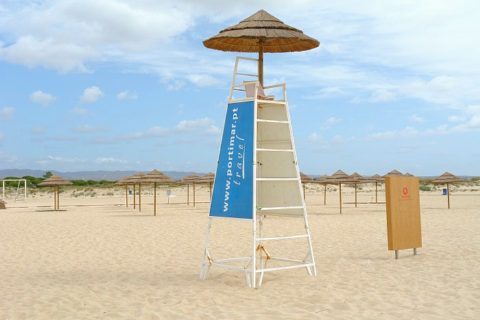
Ilha de Tavira
Ferry to a sandbar island with long open beaches
Praia do Barril
Island beach reached by a small train past the anchors
Roman Bridge
Arched crossing over the Gilao on Roman footings
Tuna Fishing Museum
Free look at the town's almadraba tuna past
Sightseeing
Things to do
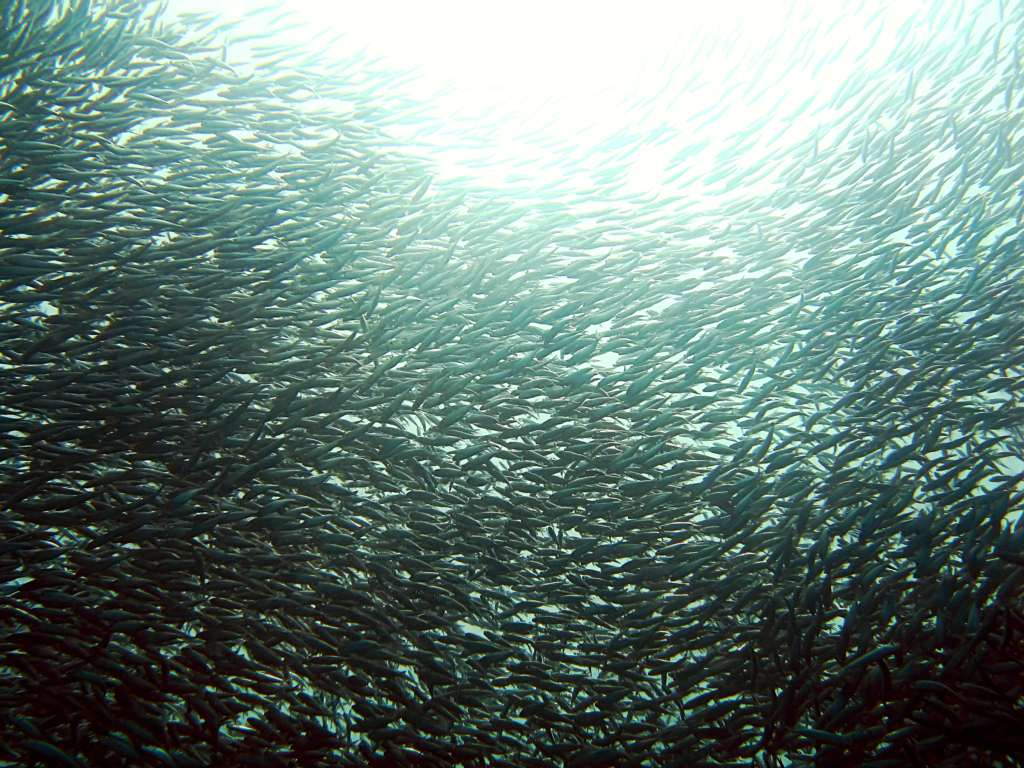
Local food and drinks
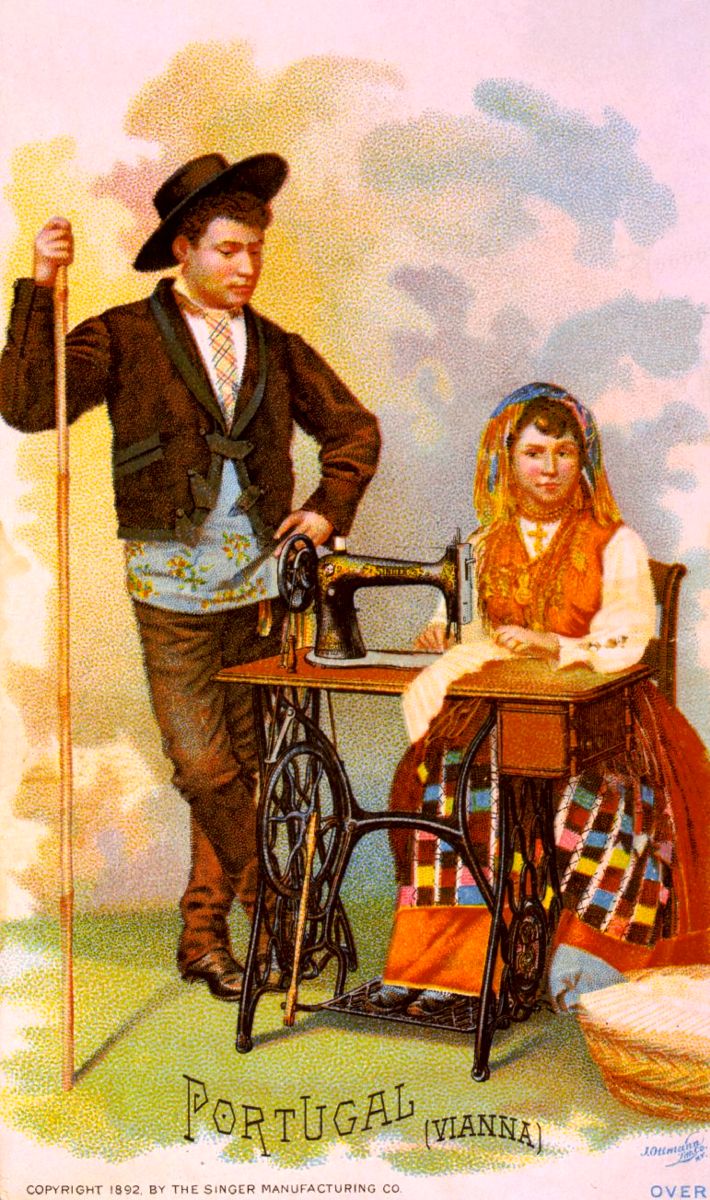
Local traditions
Do's and don'ts
Practical
At a glance
- Founded
- Roman era, town from around 1890 BC
- Population
- 13.400
- Accessibility
- Riverside flats and the main square are workable, but the castle and upper lanes have cobbles and slopes.
- Price level
- Mid-range
Things to know
History
Legend puts the founding around 1890 BC under the name Talabriga, though the solid record starts with the Romans, who built the bridge base still in use today. Under Arab rule Tavira grew into one of the Algarve's main towns alongside Faro and Silves. A Christian army took it in 1242, and the castle and churches you see grew from that period onward.
Tuna fishing carried the town for centuries, and its wealth paid for the many churches inside the old walls. The 1755 earthquake damaged much of the Algarve, and Tavira rebuilt in the years after. When the tuna trade faded, tourism and the Ria Formosa park took over as the main income.
Photo: Wikipedia / Wikimedia Commons