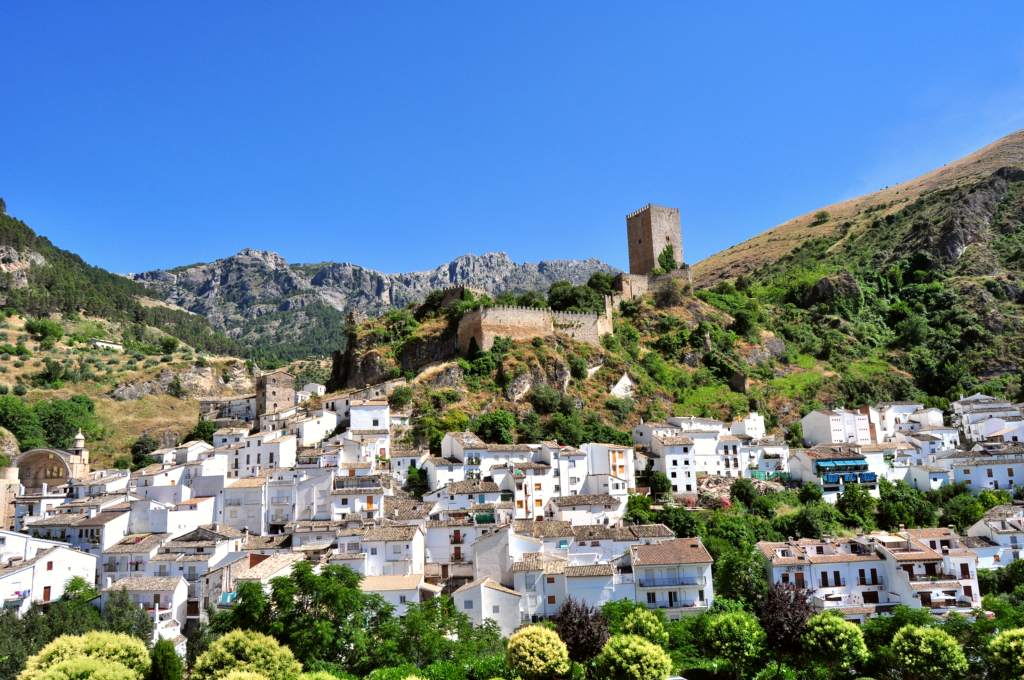
Cazorla
Cazorla clings to a slope at the edge of the largest protected natural park in Spain. Whitewashed houses stack up toward the ruined Castillo de la Yedra, and above the town rises the grey limestone wall of the sierra. The air smells of pine and, in autumn, of woodsmoke and olives being pressed.
Read more
This is a working mountain town, not a resort. Most people come to walk, drive the forest roads, or spot deer and ibex. Evenings are quiet, and by 10pm the two main squares hold most of the life in town.
Highlights
Castillo de la Yedra
Hilltop castle with a folk museum inside
Cerrada de Elias
Boardwalk through a narrow river gorge
Nacimiento del Guadalquivir
Marked source of Spain's Guadalquivir river
Plaza de Santa Maria
Roofless Renaissance church over a stream
Plaza de la Corredera
Main square with town hall and clock tower
Rio Borosa trail
River walk past pools and a tunnel section
Routes through here
Every route opens in the planner as your own copy: change any stop, any night.
Sightseeing
Things to do
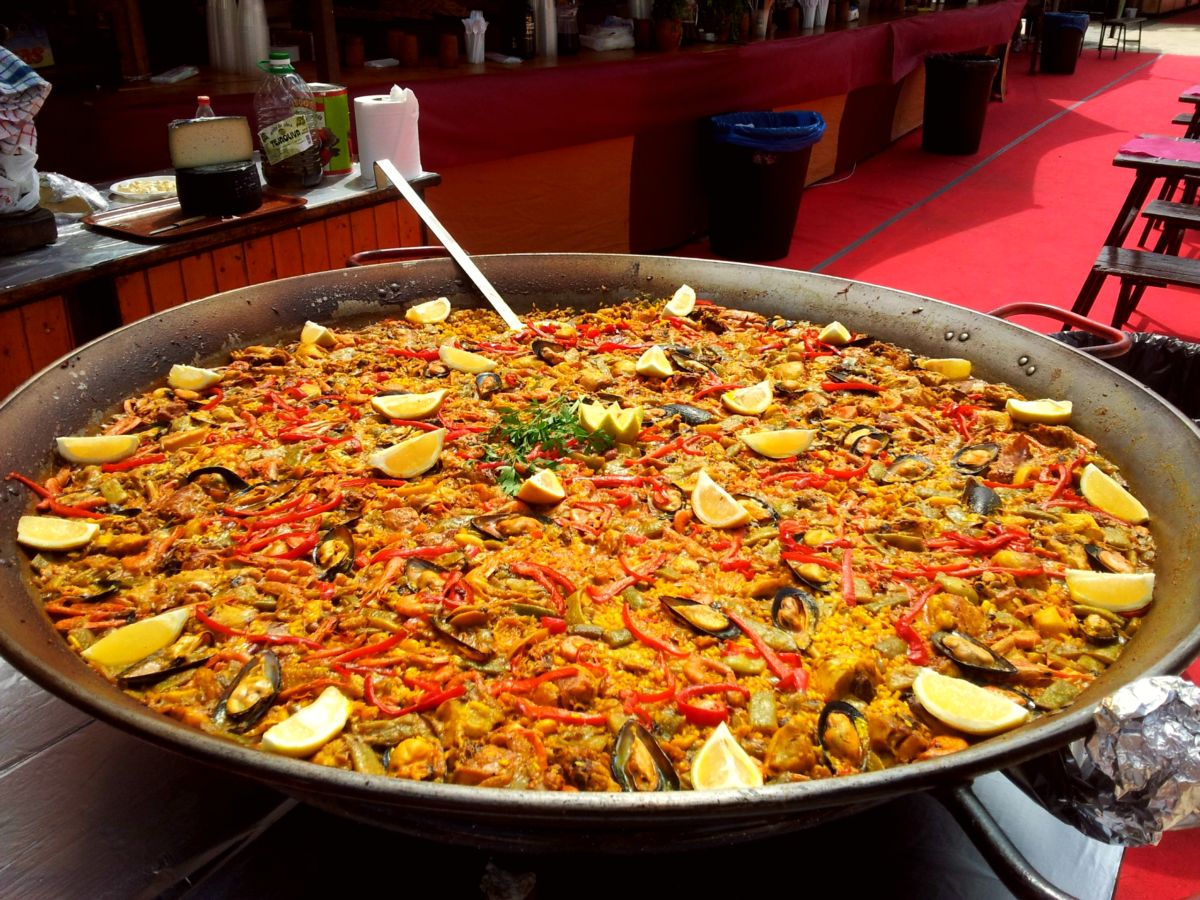
Local food and drinks
Local traditions
Do's and don'ts
Practical
At a glance
- Founded
- Moorish origins, Castilian from 1231
- Population
- 7.500
- Accessibility
- Steep cobbled streets make the old town hard for wheelchairs, though the main squares and some viewpoints are reachable.
- Price level
- Budget
Things to know
History
The hilltop was fortified by the Moors, and the Castillo de la Yedra dates to that period. In 1231 the archbishop of Toledo took Cazorla for Castile, and the wider district, the Adelantamiento de Cazorla, remained church land for centuries. The Renaissance ruins on Plaza de Santa Maria come from that prosperous stretch, when Vandelvira designed the church before a flood and later fire left it open to the sky.
The town lived on farming, timber and olives. In 1960 the surrounding mountains became a hunting reserve, and in 1986 the Sierras de Cazorla, Segura y Las Villas was declared a natural park, which reshaped Cazorla around tourism and conservation.
Photo: Wikipedia / Wikimedia Commons