search
search
add New trip
Málaga
DestinationsSpainAndalusia

Málaga

confirmation_numberMid-rangeprice
MálagaYour own route Plan a trip here →

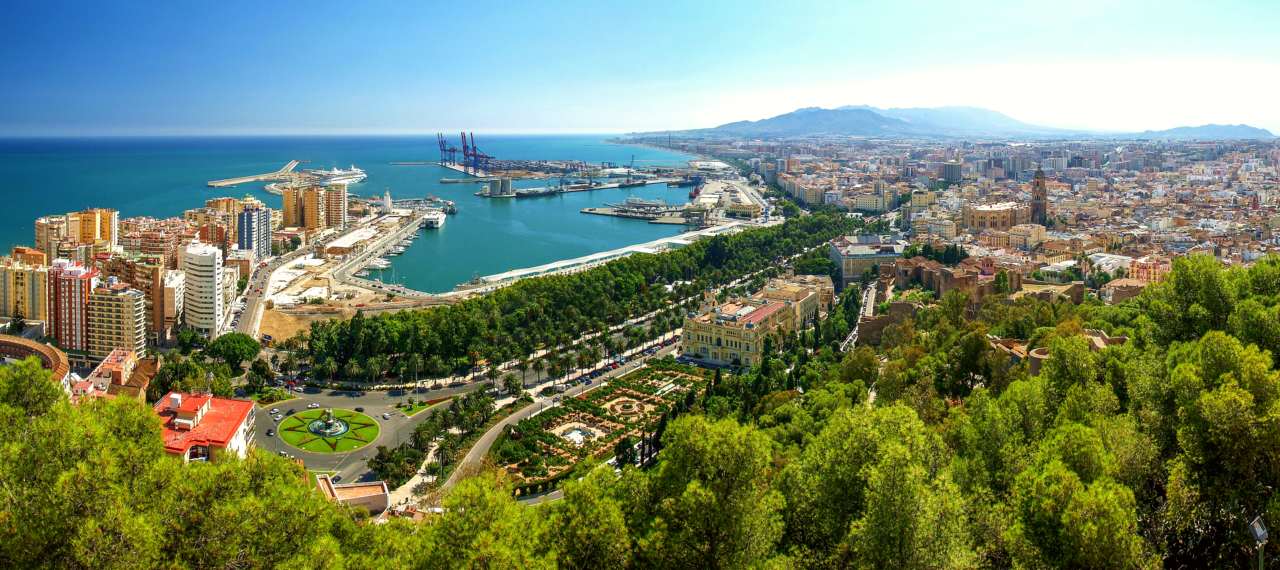
Málaga offers a blend of history and modernity, with its ancient ruins and contemporary art scene. The Mediterranean climate makes it pleasant for outdoor activities year-round, especially in spring and autumn when temperatures are mild.

Read more

Visitors can stroll through the historic center, where narrow streets lead to lively plazas. The local culture is evident in the tapas bars and street performances, creating an inviting atmosphere for those exploring the city.

Routes through here

Every route opens in the planner as your own copy: change any stop, any night.

Sightseeing

Alcazaba: a well-preserved Moorish fortress from the 11th century
Picasso Museum: showcases works of the famous artist born here
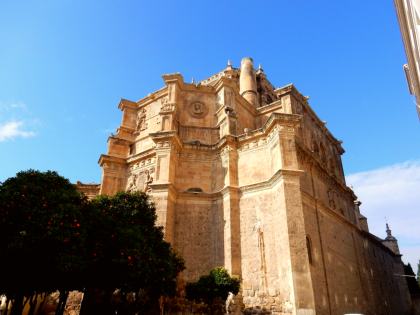
Catedral de Málaga: a Renaissance cathedral known for its unfinished tower
Teatro Romano: ancient Roman theater dating back to the 1st century BC
Castillo de Gibralfaro: a castle offering panoramic views of the city
Museo Carmen Thyssen: features 19th-century Spanish paintings
Mercado Central de Atarazanas: a bustling market with local produce and delicacies
Playa de la Malagueta: a popular city beach with restaurants and bars

"A city of art and sunshine"Málaga

Things to do

Explore the Port Area: enjoy restaurants and weekend markets
Visit local art galleries: discover contemporary and traditional works
Take a cooking class: learn to make traditional Andalusian dishes
Hike in Montes de Málaga: enjoy nature trails and scenic views
Attend a flamenco show: experience authentic Spanish dance and music
Local food and drinks - Málaga

Local food and drinks

Espetos: sardines grilled on a skewer over an open fire
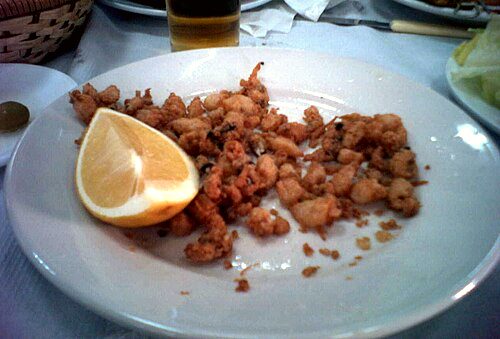
Pescaíto frito: assorted deep-fried fish, a local favorite
El Tintero: famous beach restaurant with a unique serving style
Moscatel: sweet local wine made from muscat grapes
La Casa del Guardia: a historic bar known for its wine selection
Local traditions - Málaga

Local traditions

Semana Santa: elaborate Holy Week processions throughout the city
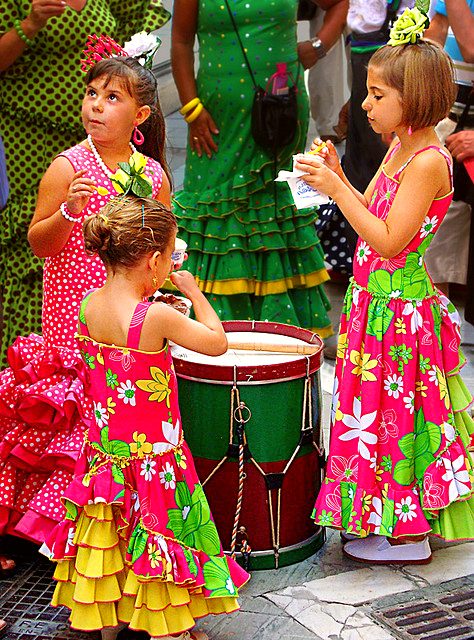
Feria de Málaga: a week-long summer fair with music, dancing, and food
San Juan Night: celebrated with bonfires and beach parties on June 23
Día de la Cruz: local neighborhoods decorate crosses with flowers in May

Do's and don'ts

Try local tapas at various bars
Visit museums on free admission days
Walk along the beach promenade in the evening
Engage with locals to learn about their culture
Don't assume all restaurants serve English menus
Don't miss out on trying espetos at the beach
Don't ignore local customs during festivals
Don't rely solely on taxis; public transport is often more efficient

Practical

At a glance

Founded
770 BC
Population
578.000
Accessibility
Many areas are wheelchair accessible, but some historic sites have limitations.
Price level
Mid-range

Things to know

Be cautious of pickpockets in crowded areas, especially near tourist sites
Public transport can be limited on weekends, plan accordingly
Some attractions may have long lines, consider visiting early
Tipping is not mandatory but appreciated; inform before using card payments
history_eduHistoryexpand_more
History - Málaga

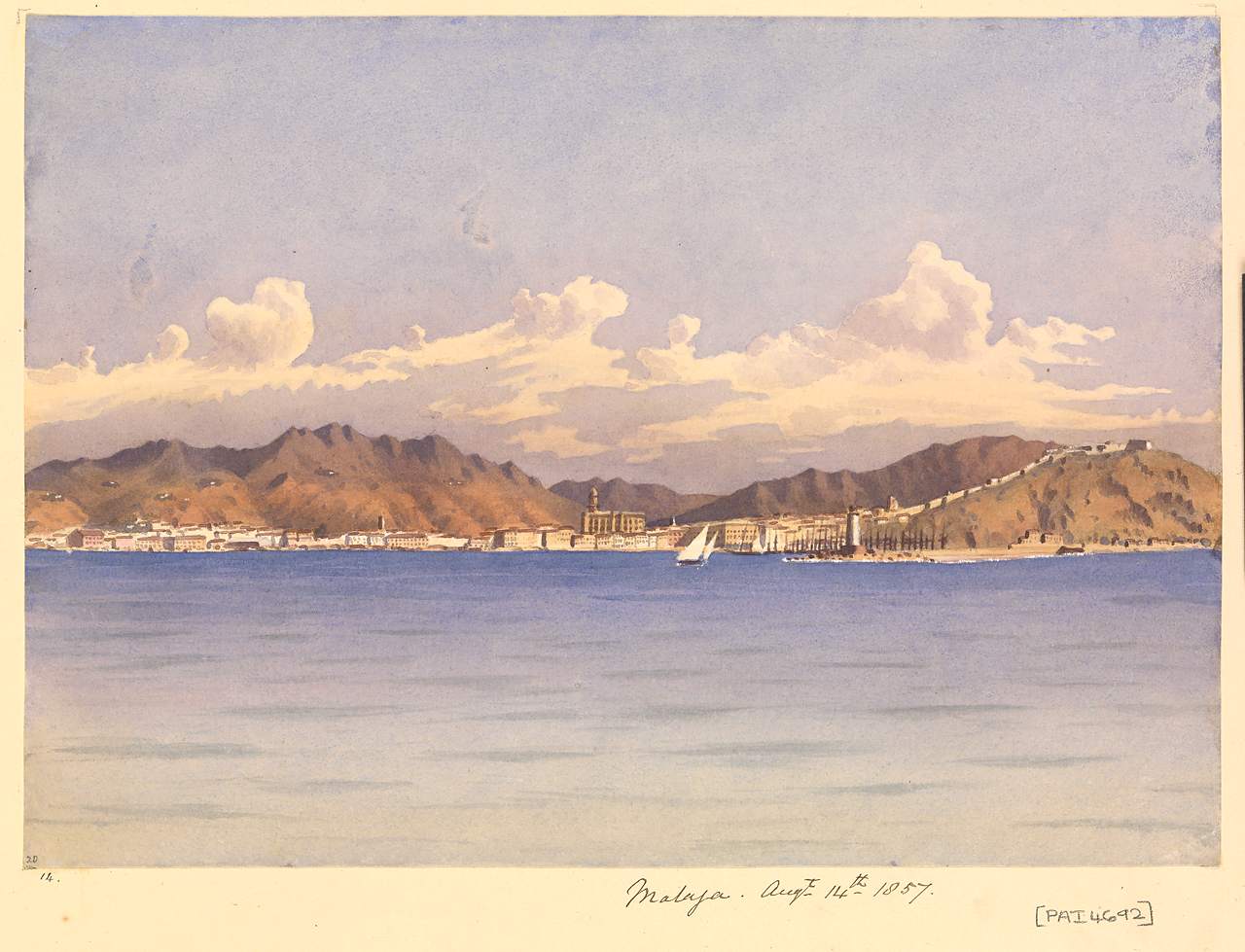
Málaga has a rich history that dates back over 2,800 years, making it one of the oldest cities in the world. Originally founded by the Phoenicians, it has seen various civilizations, including the Romans and Moors, each leaving their mark on the city's architecture and culture.

In the 19th century, Málaga became a significant port for trade and agriculture, particularly for its sweet wines. The city has evolved into a cultural hub, celebrating its artistic heritage, notably as the birthplace of Pablo Picasso, whose influence is felt throughout the city.

Photo: Wikipedia / Wikimedia Commons