search
search
add New trip
Seville
Destinations › … › Spain › Andalusia

Seville

campunet · Pixabay
campunet · Pixabay
calendar_monthMar–May, Sep–Novbest time schedule3 daysplan for child_careYeswith kids confirmation_numberMid-rangeprice
SevilleYour own route Plan a trip here →

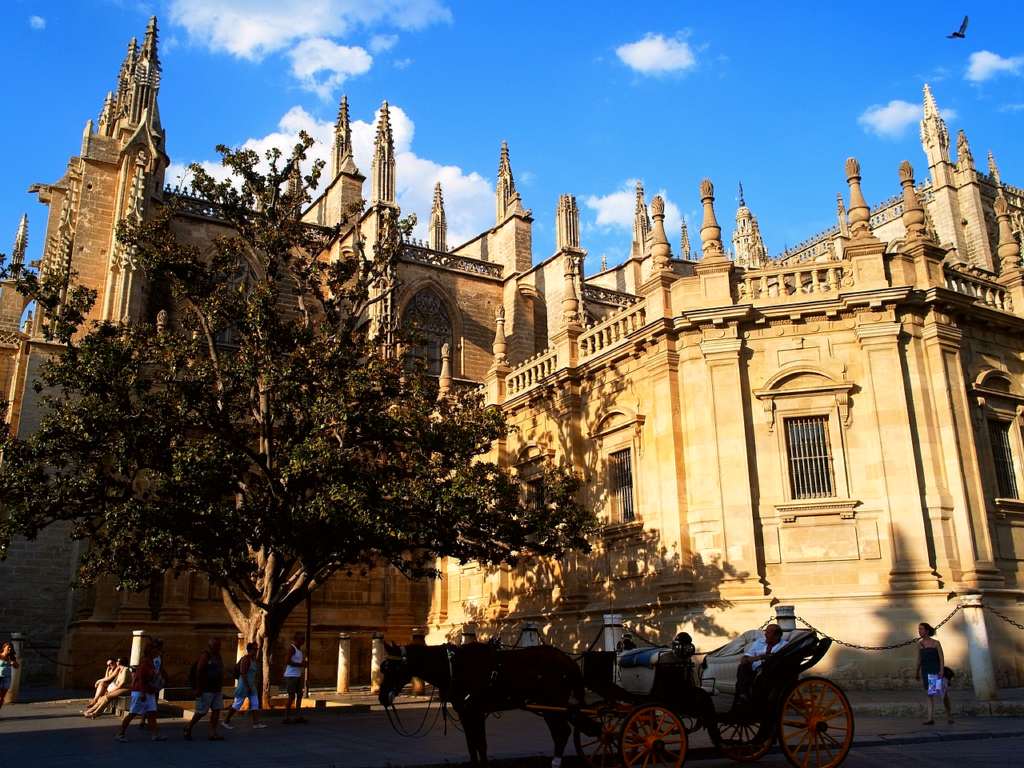
Seville is a vibrant city that pulses with life, where flamenco music fills the air and the scent of orange blossoms wafts through the streets. Its rich history is reflected in stunning architecture, from the intricate details of the Alcázar to the grandeur of the Cathedral, making it a feast for the senses.

Read more

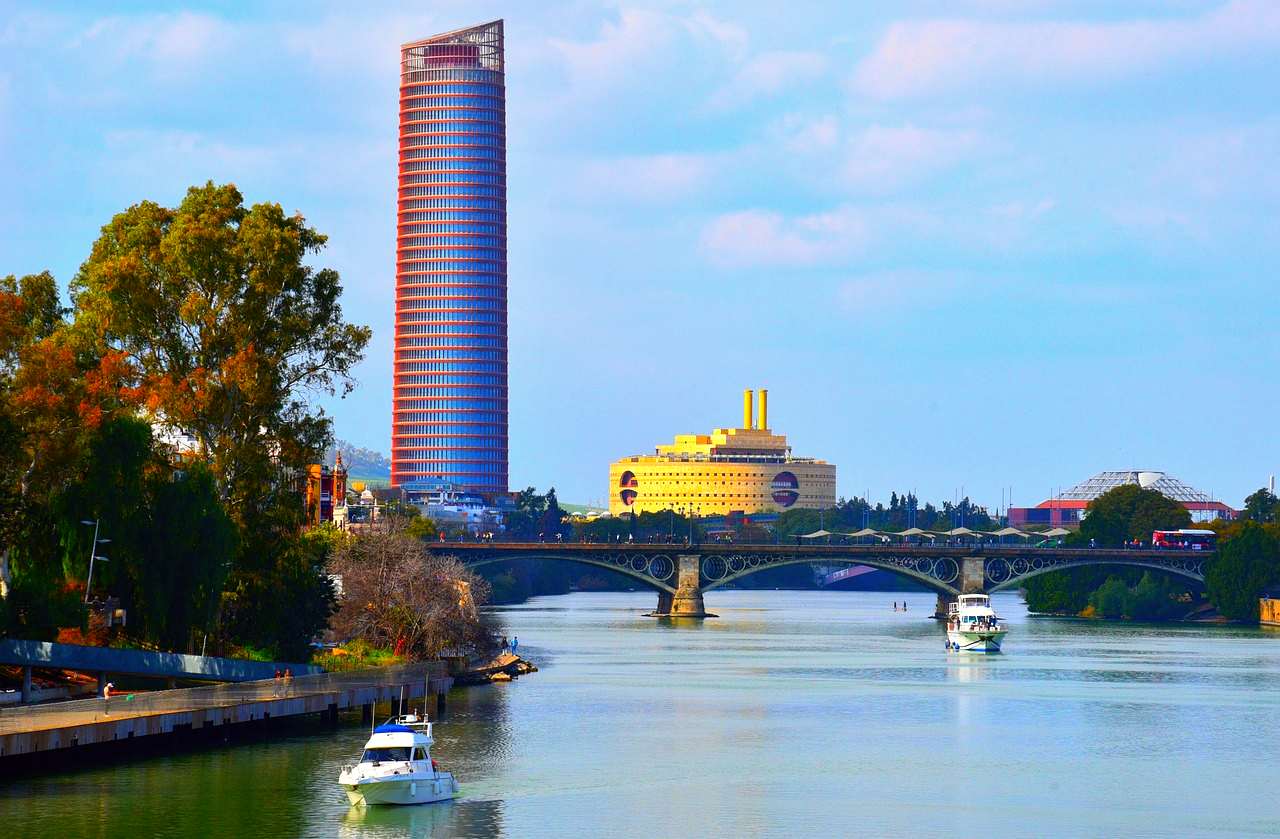
Visitors will find a blend of cultures, with Moorish influences evident in the city's layout and design. The warm climate invites leisurely strolls along the Guadalquivir River, while the lively tapas bars beckon for a taste of local cuisine, creating an atmosphere that feels both welcoming and exciting.

In pictures

Seville WuKomm · Pixabay
Seville koman1979 · Pixabay
Seville MakSviT · Pixabay

Sightseeing

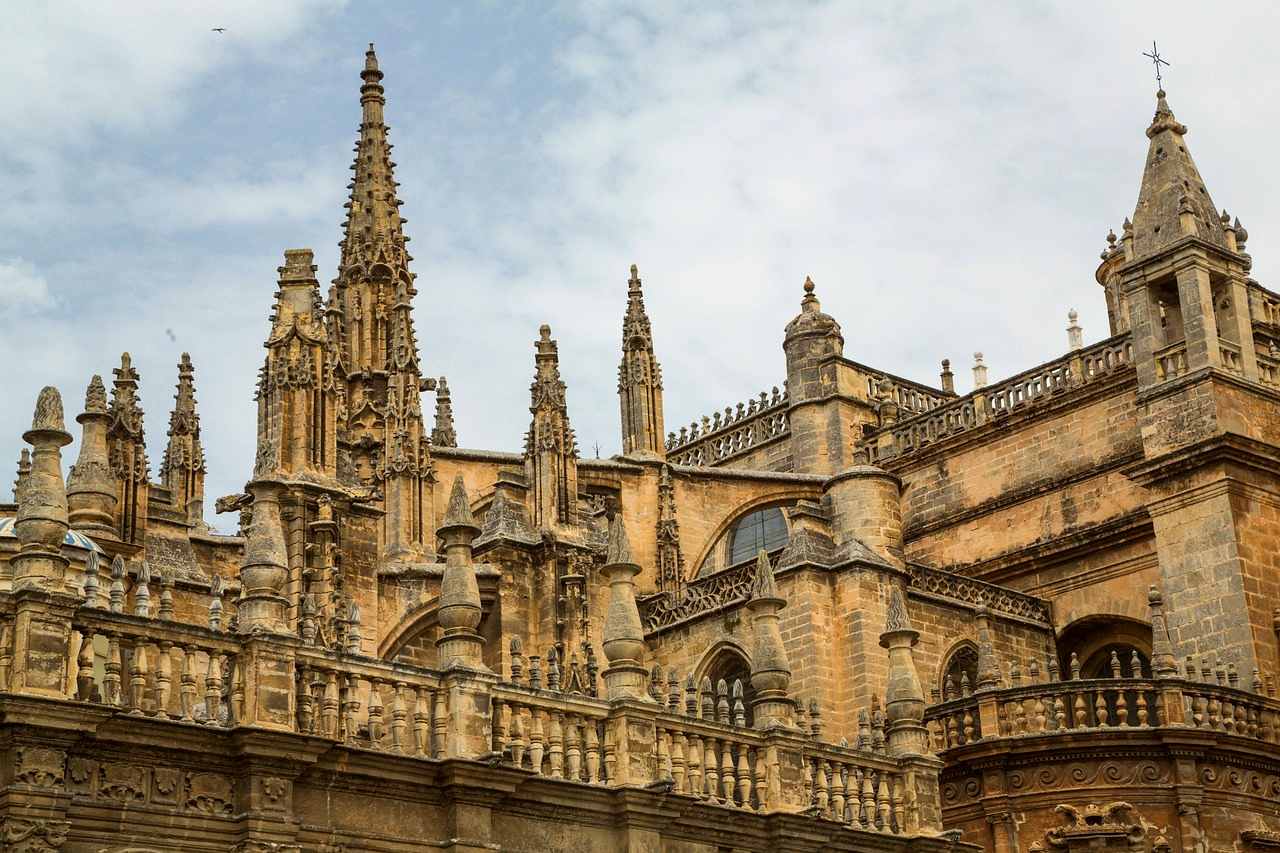
Seville Cathedral: one of the largest cathedrals in the world
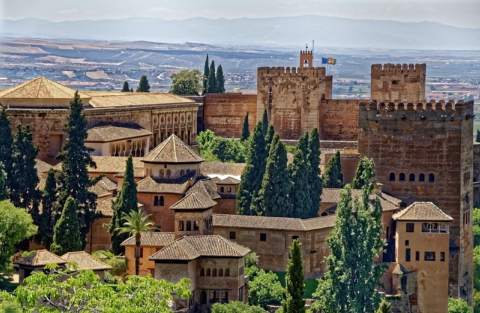
Alcázar of Seville: a stunning royal palace with lush gardens
Metropol Parasol: a modern architectural marvel in the old quarter
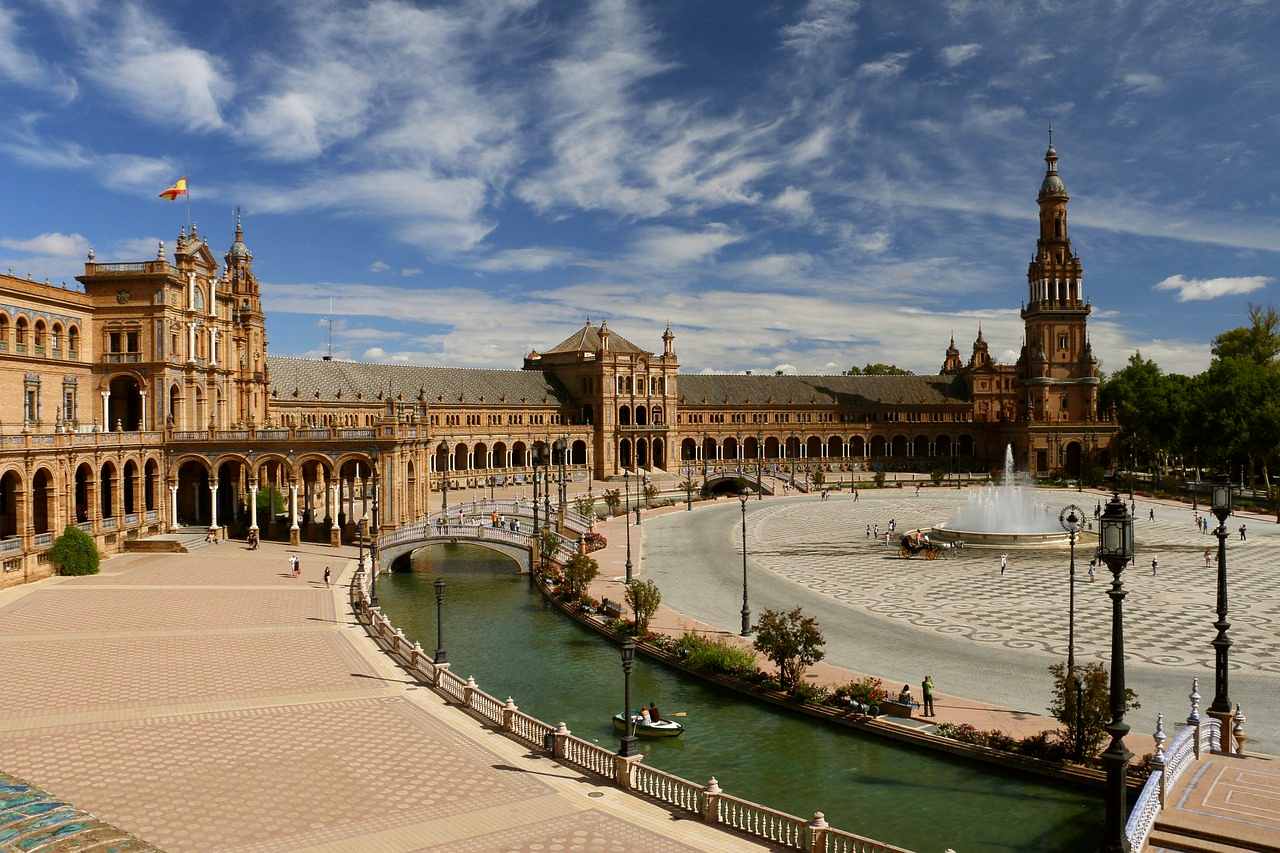
Plaza de España: a picturesque square with a beautiful fountain
Barrio Santa Cruz: a charming neighborhood with narrow streets
Triana: a lively district known for its ceramics and tapas
Giralda Tower: a historic bell tower with panoramic views
Parque de María Luisa: a serene park perfect for relaxation

"A city of passion and history"Seville

Things to do

Take a flamenco class at Museo del Baile Flamenco on Calle de Manuel Rojas Marcos, 3.
Explore the local markets like Mercado de Triana for fresh produce and artisanal goods.
Enjoy a river cruise from Torre del Oro, lasting about an hour, to see the city from the water.
Attend Feria de Abril in April or Semana Santa in March or April to experience Seville's rich traditions.

Local food and drinks

Tapas: small dishes perfect for sharing, try patatas bravas
Gazpacho: a refreshing cold soup ideal for hot days
Jamón ibérico: cured ham that is a local delicacy
Tinto de verano: a popular summer drink made with red wine
Churros with chocolate: a sweet treat for breakfast or dessert
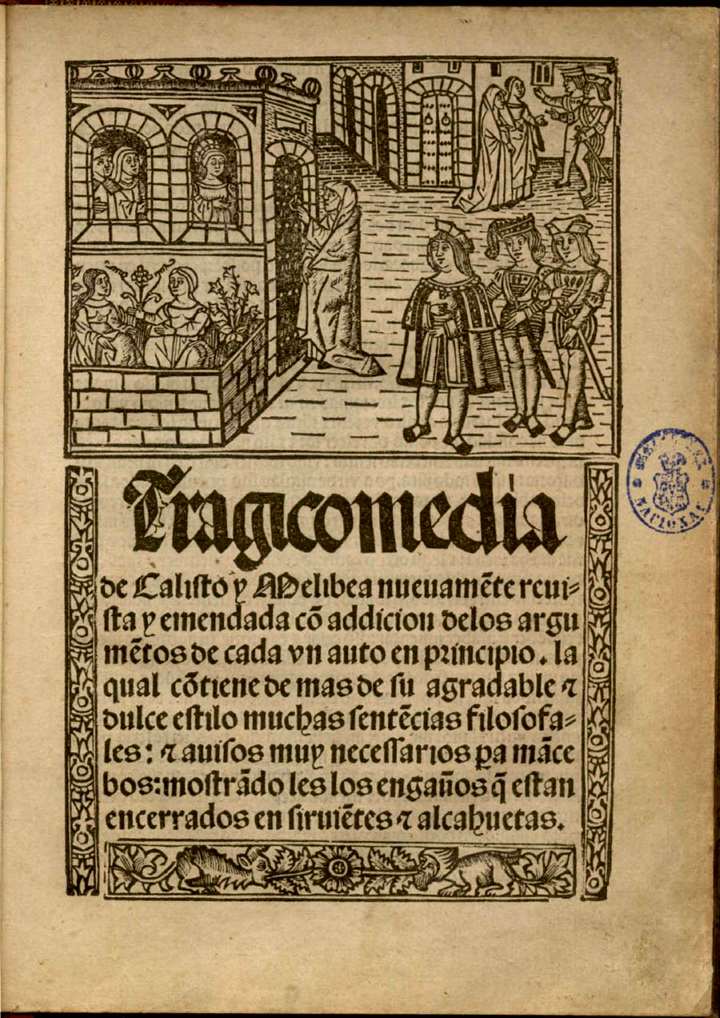
Local traditions - Seville Wikimedia Commons · Public domain

Local traditions

Semana Santa: a significant Holy Week celebration with processions
Feria de Abril: a lively spring fair with music, dancing, and food
Flamenco: a passionate dance and music tradition originating here
San Isidro: a local festival celebrating the patron saint of farmers

Do's and don'ts

Try local tapas at a bar
Visit the Alcázar early in the morning
Take part in a flamenco show
Stroll along the Guadalquivir River at sunset
Don't rush through the sights, take your time
Don't miss out on trying local specialties
Don't ignore the siesta hours, many shops close
Don't forget to respect local customs and traditions

A historic watchtower by the river

The Torre del Oro stands proudly along the Guadalquivir River, a reminder of Seville's maritime past. Built in the 13th century, this watchtower was once part of the city's defensive walls. Today, visitors can explore its small museum, which showcases artifacts from the city's naval history. The view from the top offers a unique perspective of the river and the surrounding area. As you stroll along the riverbank, take a moment to appreciate the blend of history and modern life that defines this part of Seville.

A grand square with intricate tile work

Plaza de España is a remarkable example of regional architecture, featuring a semi-circular building adorned with colorful ceramic tiles representing different provinces of Spain. Built for the Ibero-American Exposition in 1929, the plaza is surrounded by a canal where you can rent a rowboat for a leisurely paddle. The central fountain and the bridges add to the charm of this space. It’s a popular spot for both locals and tourists, making it a great place to relax and soak in the atmosphere of Seville.

A modern structure in the heart of the city

Metropol Parasol, known locally as Las Setas, is a striking wooden structure located in La Encarnación square. Completed in 2011, it offers a contrast to the historic buildings surrounding it. Visitors can take an elevator to the top for panoramic views of the city. The structure also houses a market and archaeological museum below. The vibrant atmosphere of the square, filled with cafes and shops, makes it a lively spot to enjoy a coffee or a meal while watching the world go by.
Practical

At a glance

Founded
800 BC
Population
700.000
Accessibility
Many areas are walkable, but some attractions have limited access.
Price level
Mid-range

Things to know

Beware of tourist traps in popular areas, especially near major sights.
Public transport can be limited, consider walking or cycling.
Pickpocketing can occur in crowded places, stay vigilant.
Summer temperatures can exceed 40°C, plan outdoor activities for early morning or late evening.
history_eduHistoryexpand_more
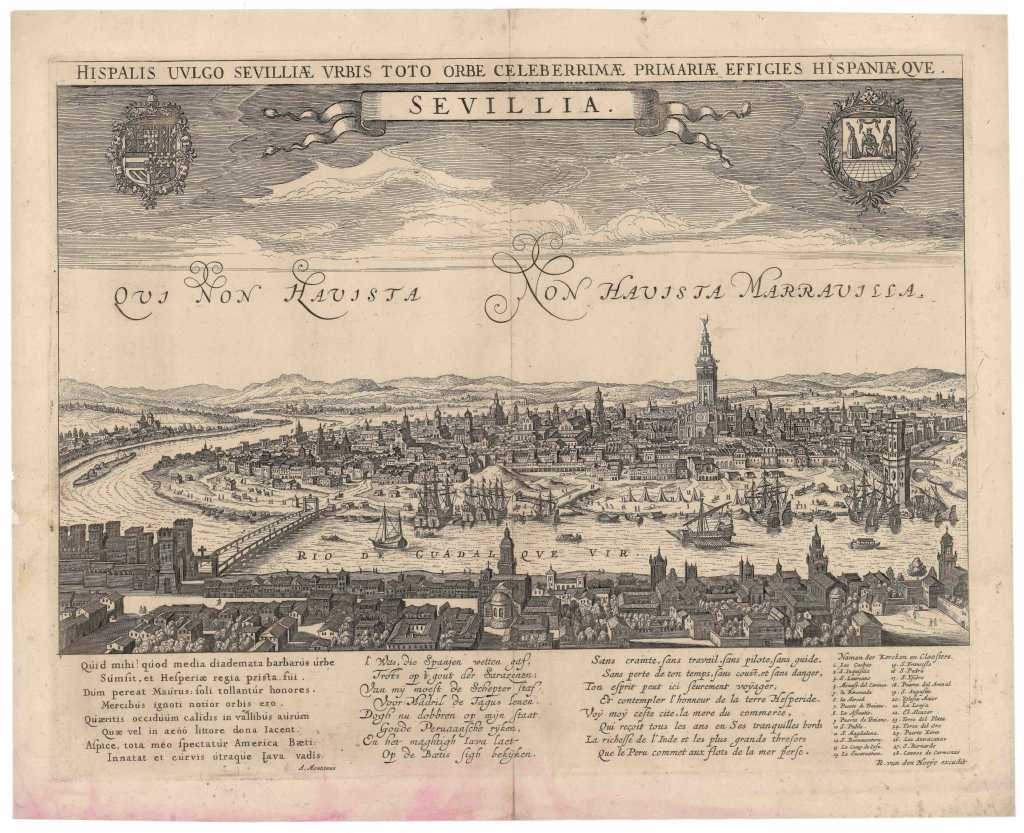
History - Seville Simon Frissius · Public domain

Seville's history dates back to Roman times, when it was known as Hispalis. The city flourished under Muslim rule from the 8th to the 13th centuries, becoming a center of culture and trade, which is evident in its architecture and layout.

After the Reconquista, Seville became a major port for the Spanish Empire, facilitating trade with the Americas. This period of prosperity left a lasting mark on the city, with grand buildings and a rich cultural heritage that continues to attract visitors today.

Photo: campunet · Pixabay Content License · Pixabay

Photo credits (4)