search
search
add New trip
Vigo
Destinations › … › Spain › Galicia

Vigo

calendar_monthMay–Jun, Sep–Octbest time schedule3 daysplan for child_careYeswith kids confirmation_numberMid-rangeprice
VigoYour own route Plan a trip here →

Vigo is a coastal city in Galicia, known for its rich maritime history and industrial port. The old town, Casco Vello, features narrow streets and historic buildings, while the modern areas offer a mix of shops and eateries.

Read more

The climate is mild and rainy, influenced by the Atlantic. Visitors can enjoy the waterfront and local seafood, but be prepared for occasional downpours, especially in winter months.

Sightseeing

Monument to Jules Verne: A tribute to the author, located on Av da Beiramar.
Vigo Co-Cathedral: Neoclassical building dating back to 1810.
Puerta del Sol: A lively square with shops and cafes.
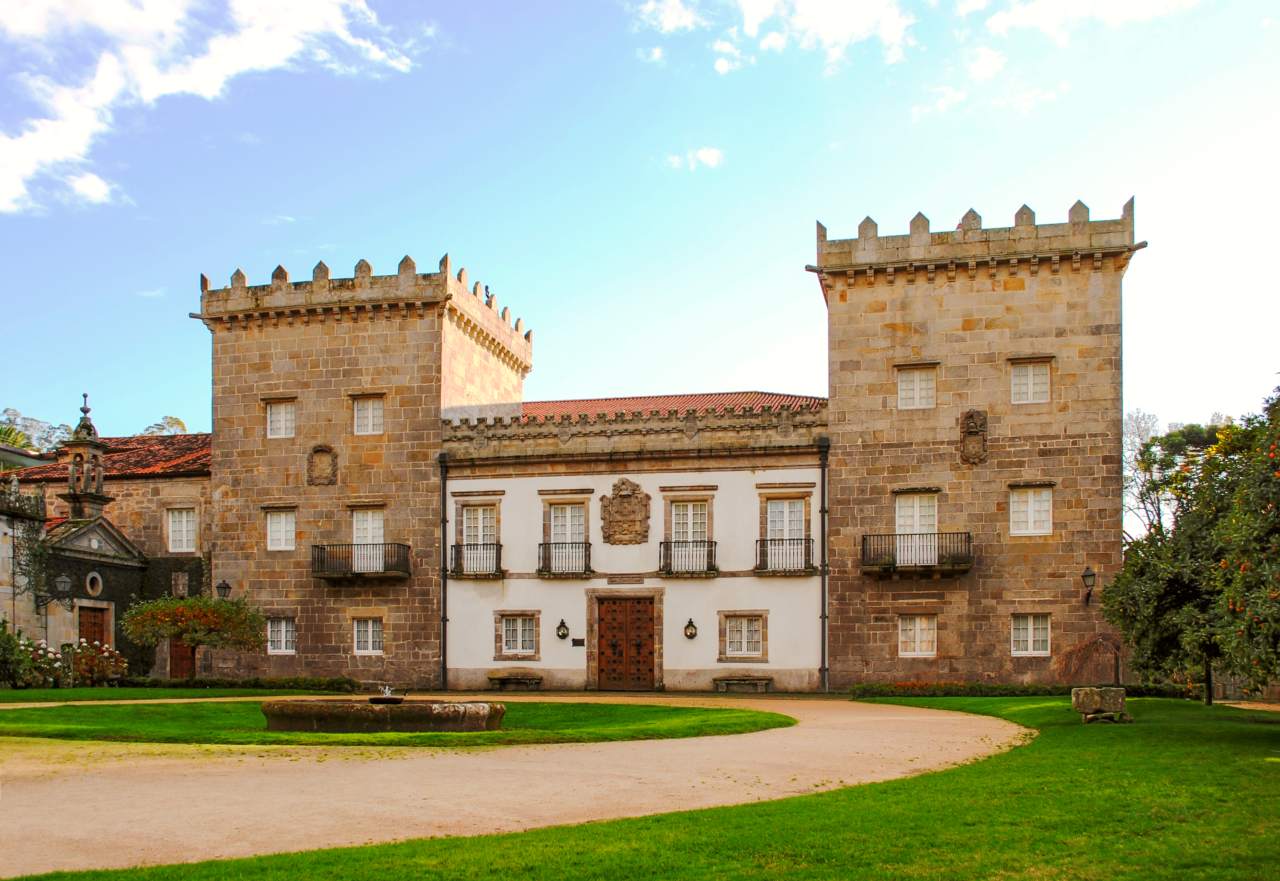
Castelo de San Sebastián: A historic castle with views of the harbor.
Museo do Mar: A museum dedicated to the sea and fishing culture.
Parque do Castro: A park with ruins and panoramic views of the city.
Mercado da Pedra: A market known for its seafood stalls.
Rúa de las Ostras: A street famous for its oyster bars.

"A city with a rich maritime heritage"Vigo

Things to do

Visit the beaches: Praia de Bouzas and Praia de Santa Baia are nearby.
Attend a Celta Vigo football match at Balaídos stadium.
Explore the local art scene at Casa de las Artes.
Enjoy the Reconquest Festival in April, celebrating local history.
Local food and drinks - Vigo

Local food and drinks

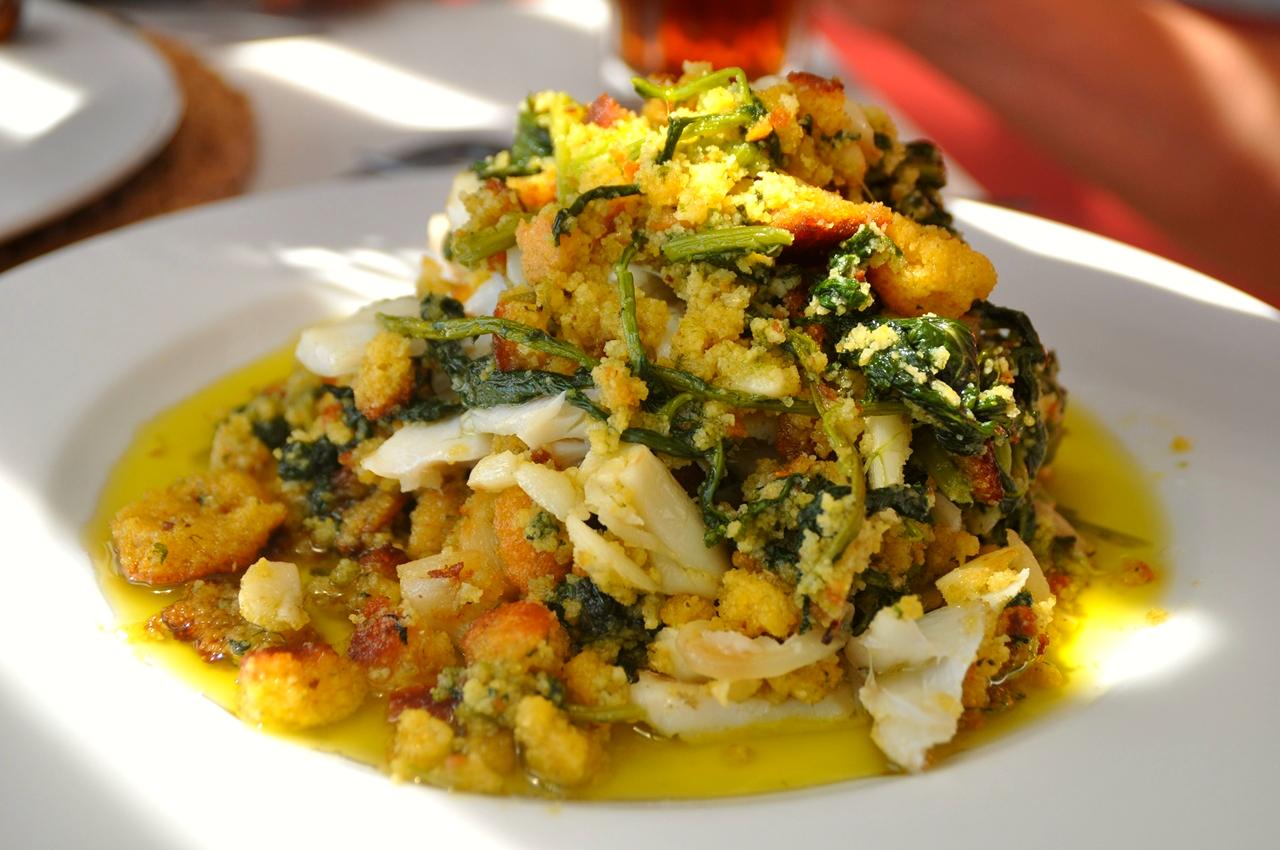
Taberna A Pedra: A popular Galician bistro known for its lively atmosphere.
Picadillo: Offers good meals and tapas, located near Porta do Sol.
A tapa do barril: A chain with multiple locations serving traditional tapas.
Queimada: A local spirit prepared with a ritual, often enjoyed in bars.
Bocatería L'squina: Known for sandwiches and pizza, perfect for a quick bite.
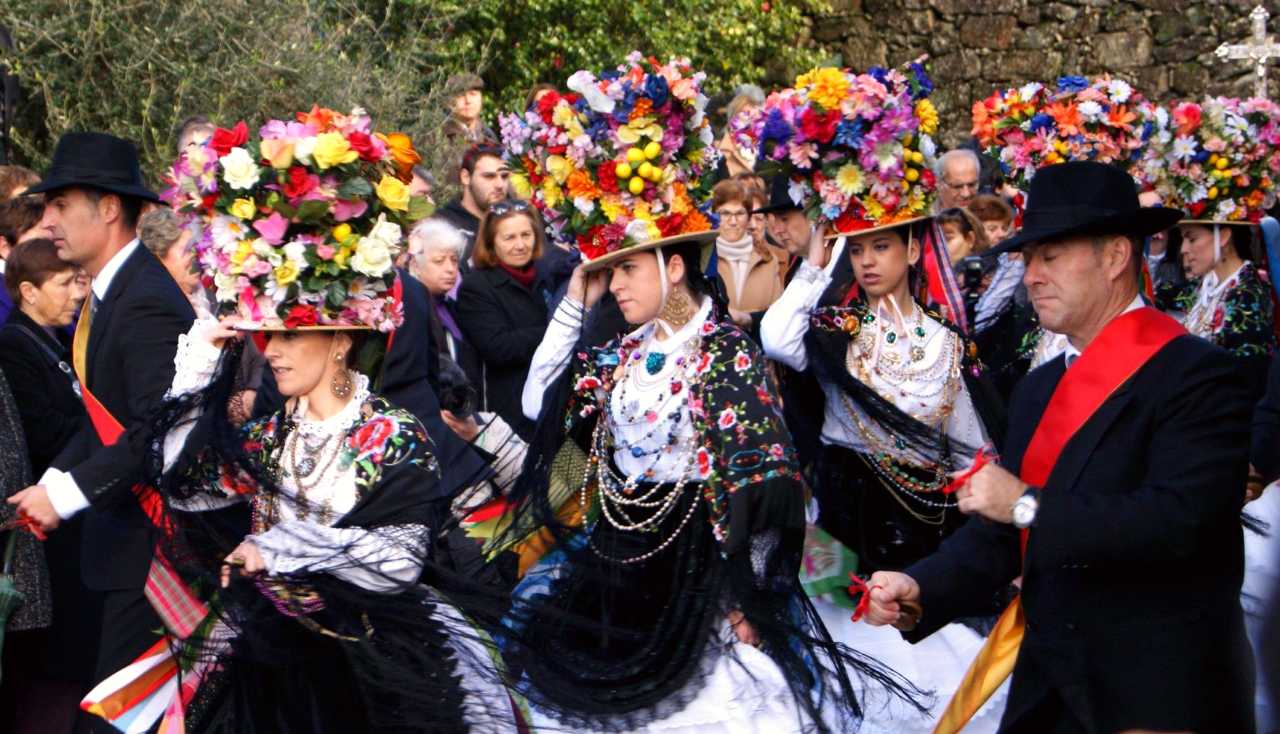
Local traditions - Vigo

Local traditions

Reconquest Festival: Celebrates the expulsion of Napoleonic troops.
Festa do Mar: A festival honoring the sea and fishing culture.
San Juan: Celebrated on June 23 with bonfires along the coast.
Carnival: A lively event with parades and costumes in February.

Do's and don'ts

Try the local seafood at Mercado da Pedra.
Walk through the historic streets of Casco Vello.
Visit the beaches for a relaxing day.
Attend a local festival for an authentic experience.
Don't miss the chance to try Queimada.
Don't assume all shops are open on Sundays.
Don't wander alone late at night in less populated areas.
Don't forget to check the weather before heading out.

Practical

At a glance

Founded
200 BC
Population
300.000
Accessibility
Many areas are walkable, but some streets are steep.
Price level
Mid-range

Things to know

Public transport can be limited, especially on weekends.
Some tourist areas may feel overcrowded during peak season.
Be cautious of pickpockets in crowded places.
Weather can change quickly, so pack an umbrella.
history_eduHistoryexpand_more

Vigo's history is deeply tied to its port, which has been a key player in trade and fishing for centuries. The city saw significant growth during the Franco regime when it became a free-trade zone, attracting industries like shipbuilding and car manufacturing. Despite industrialization, Vigo has preserved its historic charm, particularly in the Casco Vello area. The city's maritime heritage remains a focal point, with many festivals celebrating its connection to the sea.

Photo: Wikipedia / Wikimedia Commons