search
search
add New trip
AR calendar_monthNov–Marbest time schedule10 daysplan for child_careYeswith kids
PatagoniaYour own route Plan a trip here →

Patagonia is a breathtaking region in Argentina, known for its stunning landscapes that range from towering mountains to vast glaciers. Outdoor enthusiasts will find endless opportunities for hiking, kayaking, and wildlife watching, making it a paradise for nature lovers.

Sightseeing

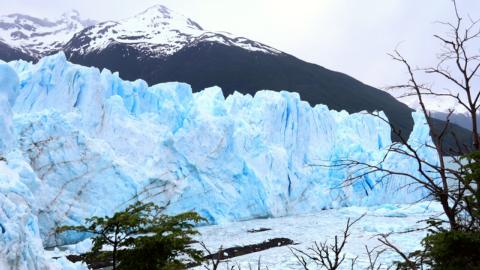
Los Glaciares National Park: home to the Perito Moreno Glacier, which is advancing and calving regularly
Torres del Paine: granite peaks that attract hikers and wildlife enthusiasts, especially in spring and summer
Ushuaia: the southernmost city in the world, with access to the Beagle Channel and Tierra del Fuego National Park
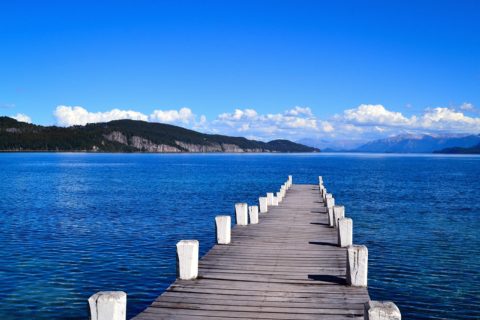
Bariloche: known for its Swiss-style architecture, chocolate shops, and the scenic Circuito Chico drive
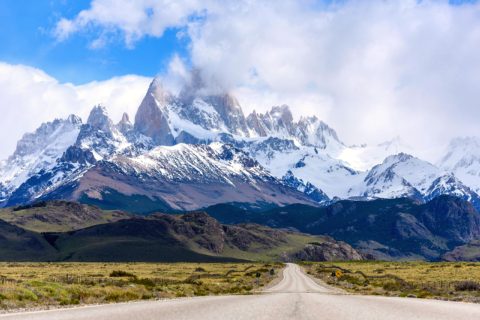
El Chaltén: a hiking hub with trails leading to Mount Fitz Roy, popular in the warmer months
Valdés Peninsula: a UNESCO site where you can see whales from June to December, along with sea lions and penguins
Cerro Fitz Roy: a challenging hike that rewards you with views of the jagged peaks, best attempted in late spring to early fall
Lake Argentino: a glacial lake where you can take boat tours to see icebergs and the Upsala Glacier

"Nature's Untamed Frontier"Patagonia

Local food and drinks - Patagonia

Local food and drinks

Asado: traditional Argentine barbecue featuring various meats
Empanadas: savory pastries filled with meat or cheese
Patagonian lamb: renowned for its flavor and tenderness
Calafate berry: a local fruit used in desserts and jams
Mate: a traditional herbal tea enjoyed socially
Local traditions - Patagonia

Local traditions

Fiesta Nacional de la Manzana: a fruit festival in Neuquén
Fiesta del Cordero: a lamb festival celebrating local cuisine
Carnaval de Bariloche: a vibrant celebration with parades and music
Semana Santa: Easter celebrations with local customs and traditions
info_outlinePracticalexpand_more
Best time: October to April

About Patagonia

However, be prepared for unpredictable weather and remote areas that may require careful planning. While the scenery is awe-inspiring, some parts can be challenging to access, and accommodations may be limited in more secluded locations.

history_eduHistoryexpand_more

Patagonia's history is rich and diverse, shaped by indigenous cultures and European exploration. The region was inhabited by indigenous groups such as the Mapuche and Tehuelche long before the arrival of Spanish explorers in the 16th century.

In the 19th century, Patagonia became a site for sheep farming, leading to significant European immigration. Today, it reflects a blend of cultures, with a focus on preserving its natural beauty and indigenous heritage, while also embracing modern tourism.