Erfurt
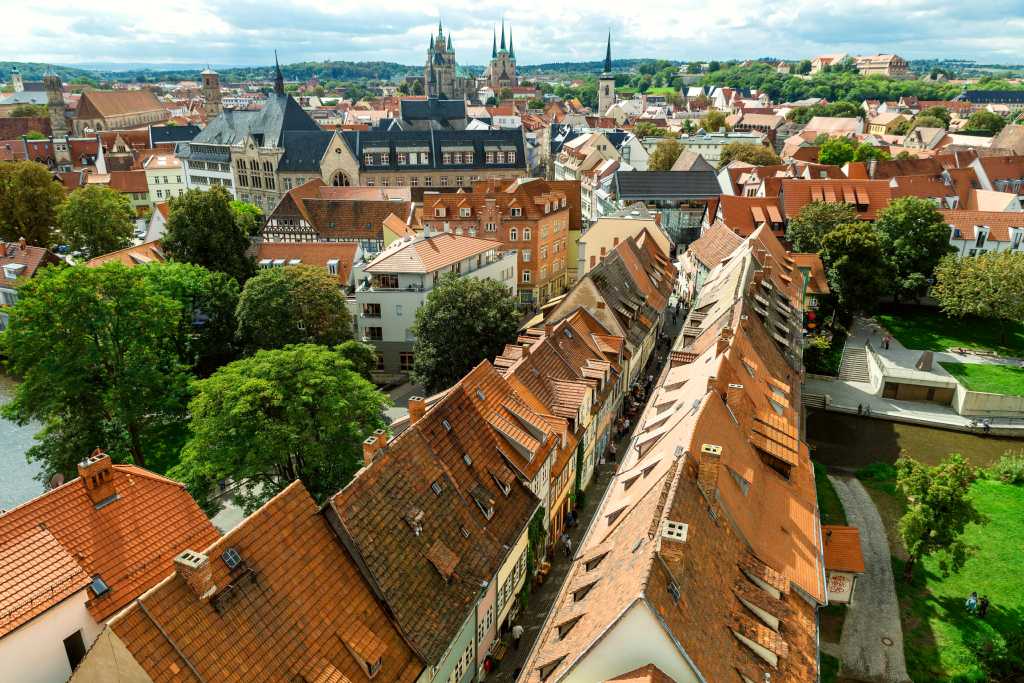
Erfurt is a city where history and modern life intertwine. Its medieval architecture stands proudly alongside contemporary shops and cafes, creating a unique atmosphere. The narrow streets invite you to explore, revealing charming squares and the gentle flow of the Gera river.
Read more
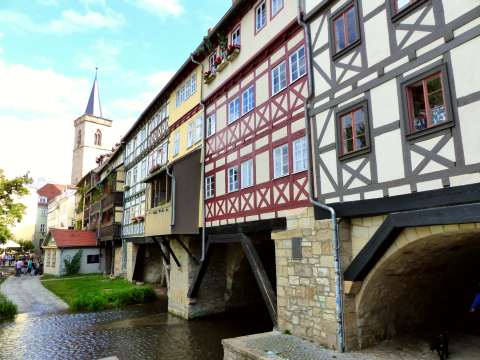
Visitors often find themselves captivated by the city's rich heritage, from the impressive Cathedral to the bustling Krämerbrücke. The local culture is palpable, with street vendors selling Thüringer Bratwurst and lively markets adding to the experience. Erfurt is a place to wander and discover.
Highlights
Sightseeing
Things to do

Local food and drinks
Local traditions
Do's and don'ts
Practical
At a glance
- Founded
- 742 AD
- Population
- 214.000
- Accessibility
- Many areas are pedestrian-friendly, but some streets are steep.
- Price level
- Mid-range
Things to know
History
Erfurt's history dates back to the early Middle Ages, flourishing due to its strategic location on trade routes. The city became known for its production of woad, a plant used for dyeing, which contributed to its wealth and architectural development. In the 14th century, Erfurt established its university, one of the oldest in the German-speaking world. Martin Luther studied here, and the city played a significant role in the Reformation. Its rich history is reflected in its well-preserved buildings and cultural landmarks.
Photo: Wikipedia / Wikimedia Commons